November 26, 2025
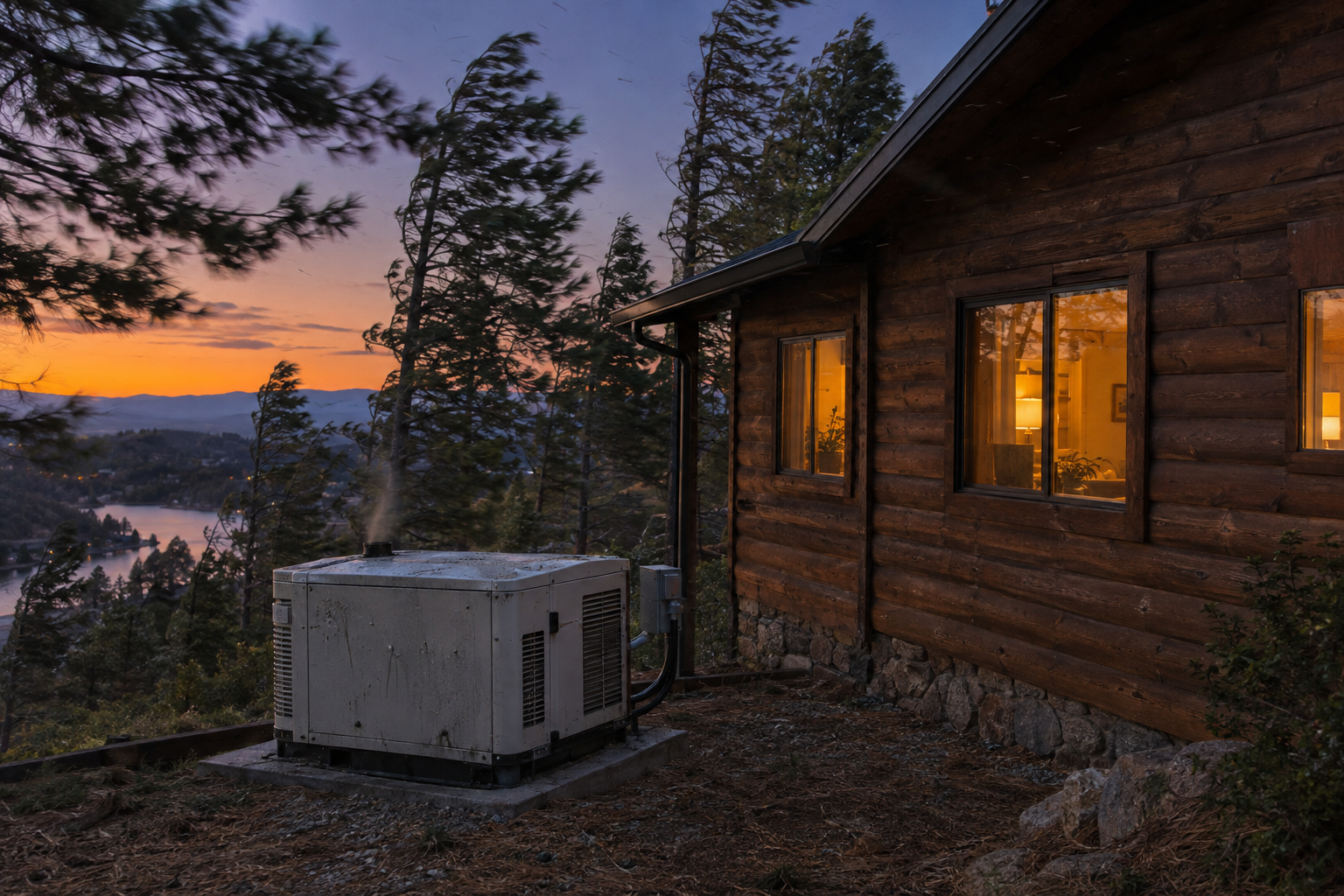
Thanksgiving in Lake Arrowhead is magical. Picture-perfect snow might dust the pines, family gathers around the fireplace, and the smell of roasting turkey fills your mountain cabin. But while you're focused on perfecting your grandmother's stuffing recipe, your home's electrical system is working overtime—and that can spell trouble if you're not prepared. Every Thanksgiving, emergency electricians across the country respond to preventable electrical fires, power outages, and safety hazards. In mountain communities like Lake Arrowhead, Blue Jay, Crestline, and Running Springs, the combination of older homes, high power demands, and winter weather creates the perfect storm for electrical problems. Let's make sure your holiday stays safe and your lights stay on. Why Thanksgiving Is Peak Season for Electrical Problems Thanksgiving puts more demand on your home's electrical system than almost any other day of the year. Here's what your circuits are dealing with: Kitchen Appliance Overload: Your oven, stovetop, microwave, coffee maker, slow cooker, electric mixer, and possibly an extra refrigerator or freezer are all running simultaneously. Most kitchen circuits are designed for normal daily use—not holiday cooking marathons. Temperature Control Challenges: Lake Arrowhead temperatures can dip below freezing on Thanksgiving. Your heating system, space heaters, and electric blankets add significant load while you're already maxing out kitchen circuits. Extra Guests, Extra Devices: More people means more phone chargers, laptops, hair dryers, curling irons, and other personal devices plugged in throughout your home. Holiday Lighting: If you've already started decorating for the season, outdoor lights and indoor displays add even more electrical demand. The result? Overloaded circuits, tripped breakers, blown fuses, or worse—electrical fires that can destroy your holiday and your home. The Turkey Fryer Danger Zone Turkey fryers have become increasingly popular, but they come with serious electrical considerations if you're using an electric model. Electric turkey fryers draw enormous amounts of power—typically 1,500 to 1,800 watts. That's equivalent to running a space heater while cooking your holiday meal. Many Lake Arrowhead homes, especially older cabins, have 15-amp kitchen circuits that can't safely handle a turkey fryer plus your other cooking appliances. Never plug a turkey fryer into an extension cord. This creates a fire hazard and can damage the appliance. If you must use an electric turkey fryer, plug it directly into a dedicated 20-amp circuit, preferably outdoors on a GFCI-protected outlet. Better yet? Stick with a propane turkey fryer used outside, away from your deck and any flammable materials. They're faster, more flavorful, and won't compete with your kitchen appliances for power. Kitchen Circuit Safety for Holiday Cooking Your Thanksgiving cooking setup requires strategic planning to avoid overloading circuits and tripping breakers at the worst possible moment—like when your turkey is halfway cooked. Spread the Load Across Multiple Circuits: Don't plug your slow cooker, electric roaster, coffee maker, and microwave into outlets on the same circuit. Most kitchens have at least two 20-amp circuits. Identify which outlets are on which circuit by testing with a circuit finder or by process of elimination with your breaker panel. Know Your High-Draw Appliances: Your oven and range typically run on a dedicated 240-volt circuit and won't interfere with countertop appliances. But your microwave (1,000-1,500 watts), coffee maker (800-1,200 watts), and toaster (800-1,500 watts) can max out a 20-amp circuit when running together. Use Appliances in Shifts: Can't avoid overloading? Stagger your cooking. Run the coffee maker before guests arrive, then unplug it before starting the microwave. Reheat dishes one at a time rather than simultaneously. Watch for Warning Signs: If lights dim when you turn on an appliance, outlets feel warm to the touch, or you smell burning plastic, you're overloading the circuit. Redistribute your appliances immediately. Mountain homes in Lake Arrowhead often have older electrical panels that weren't designed for modern cooking demands. If you're constantly resetting breakers during meal prep, it might be time for an electrical panel upgrade—something to consider for next year's holidays. Space Heater Safety in Mountain Homes Thanksgiving in Lake Arrowhead means chilly mornings and the temptation to warm up every room for arriving guests. Space heaters are convenient, but they're also one of the leading causes of electrical fires in mountain communities. One Space Heater Per Circuit: Space heaters typically draw 1,500 watts—the maximum safe load for a standard 15-amp circuit. Never plug a space heater into a power strip, extension cord, or outlet that's already serving other devices. Avoid Daisy-Chaining: We see this constantly in older Lake Arrowhead cabins: multiple space heaters plugged into power strips or extension cords to reach distant rooms. This is extremely dangerous and causes house fires every winter. Keep Heaters Away from Flammables: Space heaters should be at least three feet away from curtains, furniture, bedding, and holiday decorations. In smaller cabins where space is limited, consider investing in wall-mounted electric heating instead. Turn Off When Leaving: Never leave space heaters running unattended, especially in guest rooms or when cooking in another area of your home. Modern space heaters have tip-over and overheat protection, but older models often don't. If you're relying heavily on space heaters to keep your Lake Arrowhead home comfortable, your HVAC system might be inadequate or your insulation might need upgrading. A licensed electrician can also assess whether your home's wiring can safely support your heating needs. Generator Safety for Holiday Power Outages Thanksgiving storms can knock out power in Lake Arrowhead without warning. Heavy wet snow, ice accumulation, and fallen trees regularly disrupt electrical service in mountain communities. If you're using a portable generator to keep your Thanksgiving dinner on track, follow these critical safety rules: Never Run Generators Indoors: This includes garages, basements, or covered patios. Generators produce deadly carbon monoxide that can kill your family in minutes. Always operate generators outdoors, at least 20 feet from your home. Use a Transfer Switch: Never backfeed your home by plugging a generator into a wall outlet. This creates a lethal hazard for utility workers and can destroy your electrical system. A licensed electrician can install a transfer switch that safely connects your generator to your home's circuits. Don't Overload Your Generator: Prioritize essential appliances. Running your refrigerator and a few lights? That's manageable. Trying to power your oven, microwave, coffee maker, and heating system simultaneously? You'll overload the generator and potentially damage sensitive electronics. Keep It Dry: Mountain weather means snow and rain. Protect your generator with a canopy, but ensure adequate ventilation. Moisture and electricity are a dangerous combination. For homeowners who want reliable backup power without the hassle, a whole-home backup generator installation provides automatic power during outages. These permanently installed systems are properly connected to your home's electrical panel and kick on within seconds of losing grid power—keeping your Thanksgiving feast cooking without interruption. Holiday Lighting Without Overloading Circuits Maybe you've already hung outdoor lights to welcome Thanksgiving guests, or you're planning to transition straight into Christmas decorating this weekend. Either way, holiday lighting requires electrical awareness. Check Your Light Strings: Before hanging any lights, inspect each string for frayed wires, broken bulbs, or damaged plugs. Throw away any damaged sets—they're fire hazards. Calculate Your Load: LED lights draw far less power than incandescent bulbs. You can typically connect 25-45 strings of LEDs on a single circuit, but only 3-6 strings of traditional lights. Check the manufacturer's recommendations on the packaging. Use Outdoor-Rated Equipment: Lake Arrowhead weather is harsh. Only use lights and extension cords rated for outdoor use. Indoor lights will fail quickly and can create shock hazards when exposed to snow and moisture. GFCI Protection Is Essential: All outdoor outlets should have GFCI protection to prevent electrical shock. If your outdoor outlets don't have GFCI protection, hire a Lake Arrowhead electrician to install them before hanging extensive light displays. Don't Overload Outlets: Just because an outlet has space for multiple plugs doesn't mean the circuit can handle the load. Use a power meter to monitor your draw, or better yet, spread lights across multiple circuits. Extension Cord Safety for Holiday Hosting Extension cords are a Thanksgiving necessity when you need to power extra appliances, reach distant outlets, or accommodate guests. But improper use creates serious fire risks. Choose the Right Gauge: Heavier appliances require heavier gauge cords. A 16-gauge cord is fine for lamps and phone chargers, but cooking appliances need 12-gauge or 10-gauge cords. Using an undersized cord causes overheating and potential fires. Keep Cords Visible: Never run extension cords under rugs, through doorways, or behind furniture where they can become pinched or damaged. The insulation can wear through, creating shock and fire hazards. Inspect Before Using: Check extension cords for frayed insulation, exposed wires, or damaged plugs. Damaged cords should be thrown away, not repaired with electrical tape. Don't Chain Extension Cords: Connecting multiple extension cords together (daisy-chaining) increases resistance and fire risk. If you can't reach an outlet with a single cord, you need a longer cord or an additional outlet installed. Temporary Use Only: Extension cords are designed for temporary use, not permanent solutions. If you're constantly using extension cords in certain areas, consider having an electrician install additional outlets. Many older Lake Arrowhead cabins don't have enough conveniently located outlets for modern needs. Adding circuits and outlets is a relatively simple upgrade that improves safety and convenience year-round. Outdoor Electrical Safety in Mountain Weather Thanksgiving weather in Lake Arrowhead can be unpredictable. Freezing temperatures, snow, and moisture create unique electrical hazards. Check Your Heat Tape: If your home uses heat tape to prevent frozen pipes, verify it's working properly before Thanksgiving. Damaged heat tape can cause fires or fail when you need it most. Protect Outdoor Outlets: Any outdoor outlets should have weatherproof covers—not just the kind that cover an empty outlet, but "in-use" covers that protect plugs from rain and snow while they're connected. Inspect Your Electrical Service: Heavy snow and ice can accumulate on your electrical service line where it connects to your home. Excessive weight can damage the connection point. If you notice sagging lines, contact your utility company. Clear Decorations from Vents: When hanging outdoor decorations, keep them away from exhaust vents, dryer vents, and HVAC equipment. Blocked vents can cause carbon monoxide buildup or equipment failure. Signs You Need an Emergency Electrician on Thanksgiving Some electrical problems can wait until after the holiday. Others require immediate attention. Call an emergency electrician if you experience: Burning Smell: Any burning odor coming from outlets, switches, or your electrical panel indicates a serious problem. Shut off power at the breaker and call for help immediately. Sparking Outlets: Visible sparks when plugging in appliances or switches that spark when turned on are fire hazards requiring immediate repair. Hot Outlets or Switches: Outlets and switches should never feel hot to the touch. Warmth indicates dangerous overloading or faulty wiring. Frequent Breaker Trips: If you're constantly resetting the same breaker, you have an overloaded circuit or a more serious underlying problem. Flickering Lights Throughout the House: A single flickering light might be a bad bulb. Multiple flickering lights suggest a problem with your main electrical service. Smoke from Outlets or Panel: Any visible smoke requires immediate action. Shut off your main breaker if safe to do so, evacuate your home, and call 911 and an emergency electrician. Don't risk your family's safety trying to "make it through" Thanksgiving with electrical problems. Emergency electricians in Lake Arrowhead understand that holiday electrical issues can't always wait until Monday. Carbon Monoxide Safety for Mountain Homes Carbon monoxide poisoning sends thousands of people to emergency rooms every year, with winter holidays being particularly high-risk times. Install Carbon Monoxide Detectors: California law requires carbon monoxide detectors in all homes with fuel-burning appliances or attached garages. Place detectors on every level of your home and outside sleeping areas. Test Your Detectors: Replace batteries before Thanksgiving and test all detectors. Replace any units older than 7-10 years. Recognize the Symptoms: Carbon monoxide poisoning symptoms mimic the flu: headache, dizziness, nausea, and confusion. If multiple people feel sick simultaneously while indoors, evacuate immediately and call 911. Ventilate Properly: Never use your oven or stovetop to heat your home. Ensure your fireplace flue is open when burning fires. Keep vents clear of snow. Preparing Your Lake Arrowhead Home for Future Holidays This Thanksgiving is a great opportunity to identify electrical improvements that will make future holidays safer and more convenient. Schedule an Electrical Safety Inspection: A professional electrician can identify overloaded circuits, outdated wiring, and safety hazards before they cause problems during next year's holidays. Consider a Panel Upgrade: If you're constantly managing circuits and shutting things off to run other appliances, you've outgrown your electrical panel. Upgrading from 100-amp to 200-amp service provides the capacity modern homes need. Add Dedicated Circuits: Installing dedicated 20-amp circuits for kitchen appliances eliminates the juggling act of Thanksgiving cooking. Install Whole-Home Surge Protection: Mountain storms can cause power surges that damage electronics and appliances. Whole-home surge protection installed at your electrical panel safeguards your entire home. Upgrade to GFCI and AFCI Protection: Modern electrical codes require GFCI protection in kitchens, bathrooms, and outdoor areas, plus AFCI protection in living spaces. These safety devices prevent shocks and fires. A Safe Thanksgiving in the Mountains Your Lake Arrowhead home is the perfect setting for creating holiday memories with family and friends. Don't let electrical problems disrupt your celebration or, worse, create dangerous situations. By understanding your home's electrical limitations, distributing loads appropriately, and following basic safety practices, you can cook your feast, stay warm, and enjoy your holiday without worry. And if you do run into electrical problems this Thanksgiving, remember that emergency electrical services are available even on holidays. Don't hesitate to call for help if something doesn't seem right. Need a Lake Arrowhead Electrician This Holiday Season? Lake Arrowhead Electrical provides emergency electrical repairs, safety inspections, and system upgrades throughout the San Bernardino Mountains. We understand mountain homes, we know local codes, and we're here when you need us—even on holidays. Call (909) 403-4740 for emergency service or to schedule a post-holiday electrical safety inspection. Proudly serving Lake Arrowhead, Blue Jay, Crestline, Running Springs, Twin Peaks, and all surrounding mountain communities. Happy Thanksgiving from all of us at Lake Arrowhead Electrical. Stay safe, stay warm, and enjoy time with the people you love.