Blog

February 17, 2026
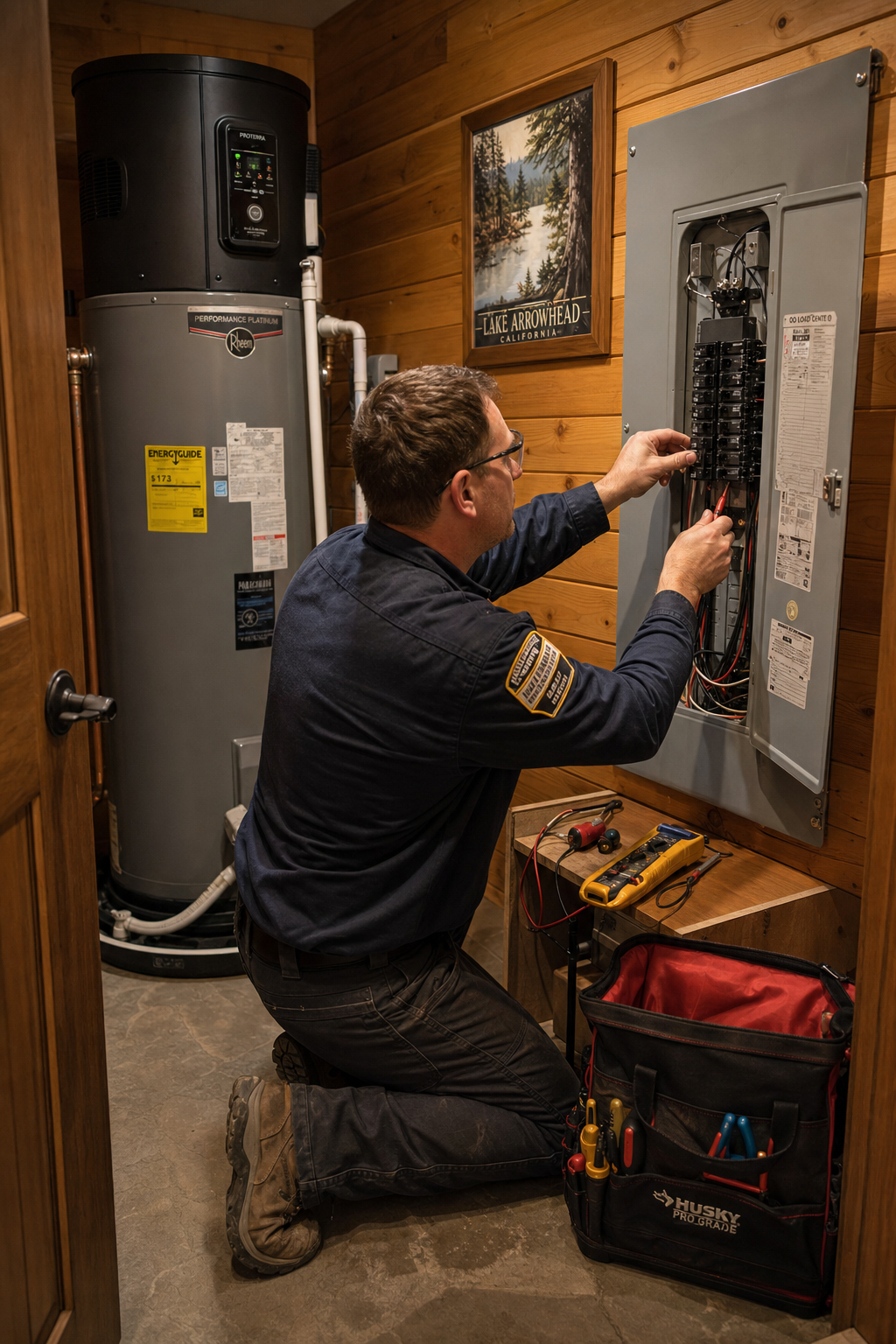
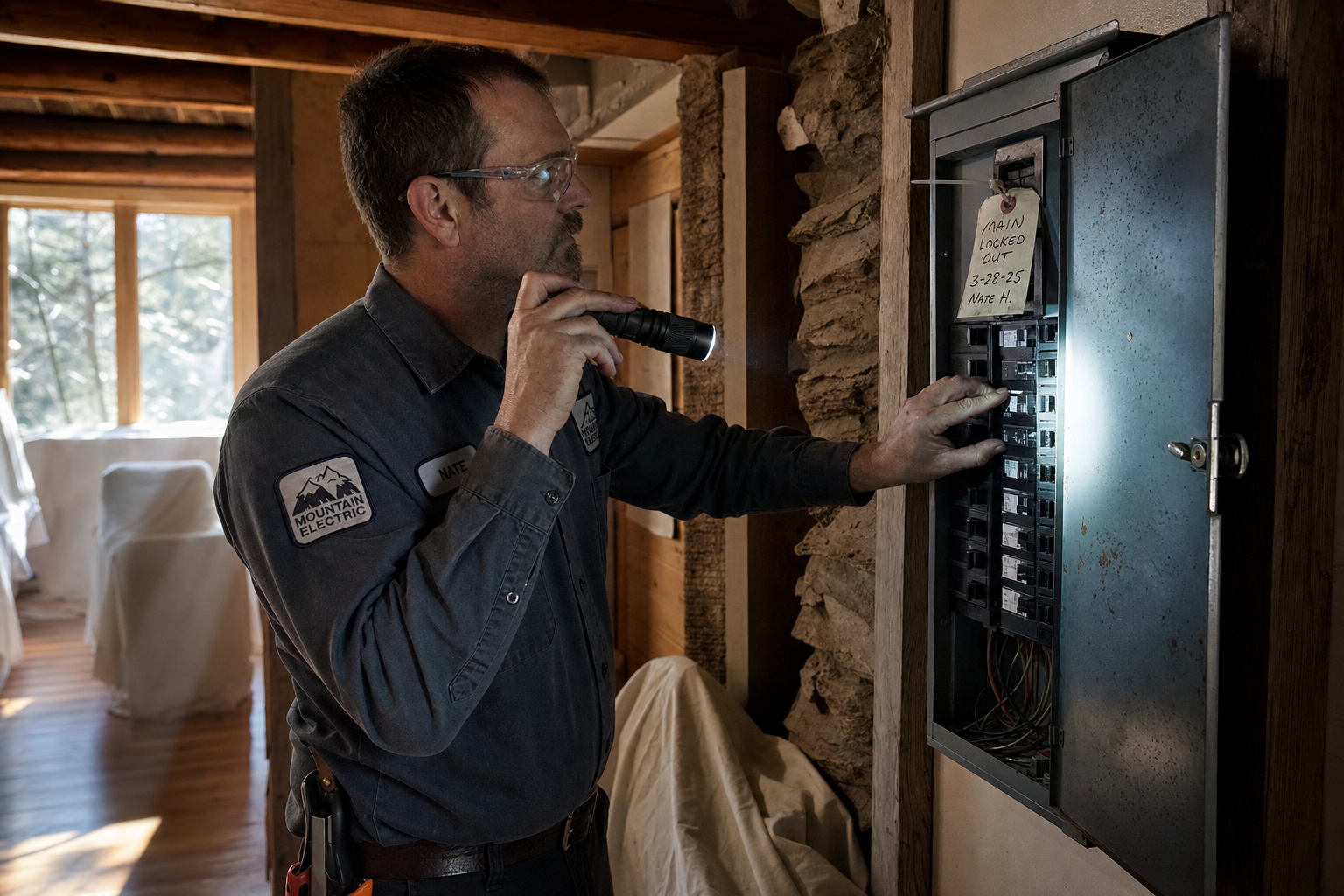
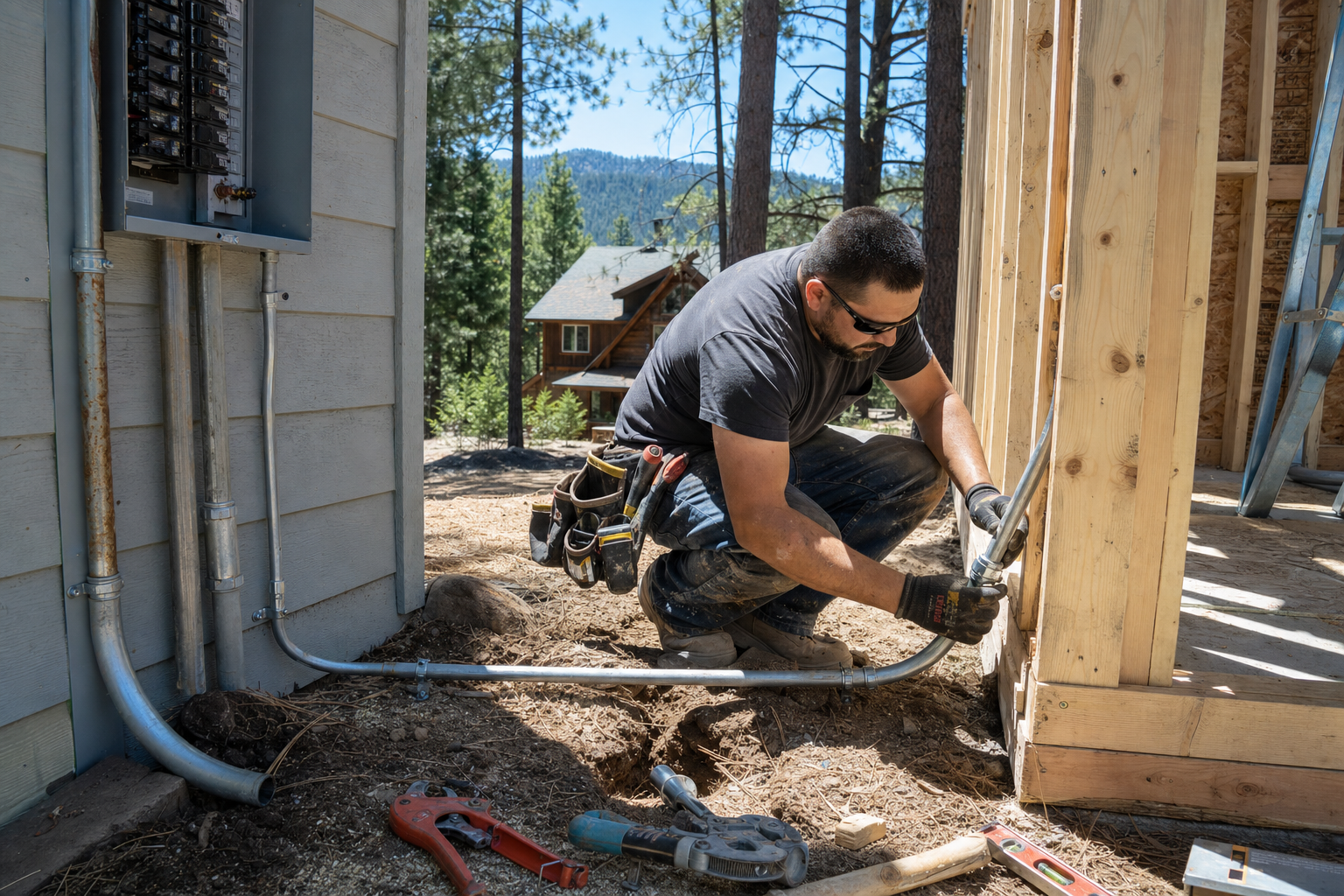
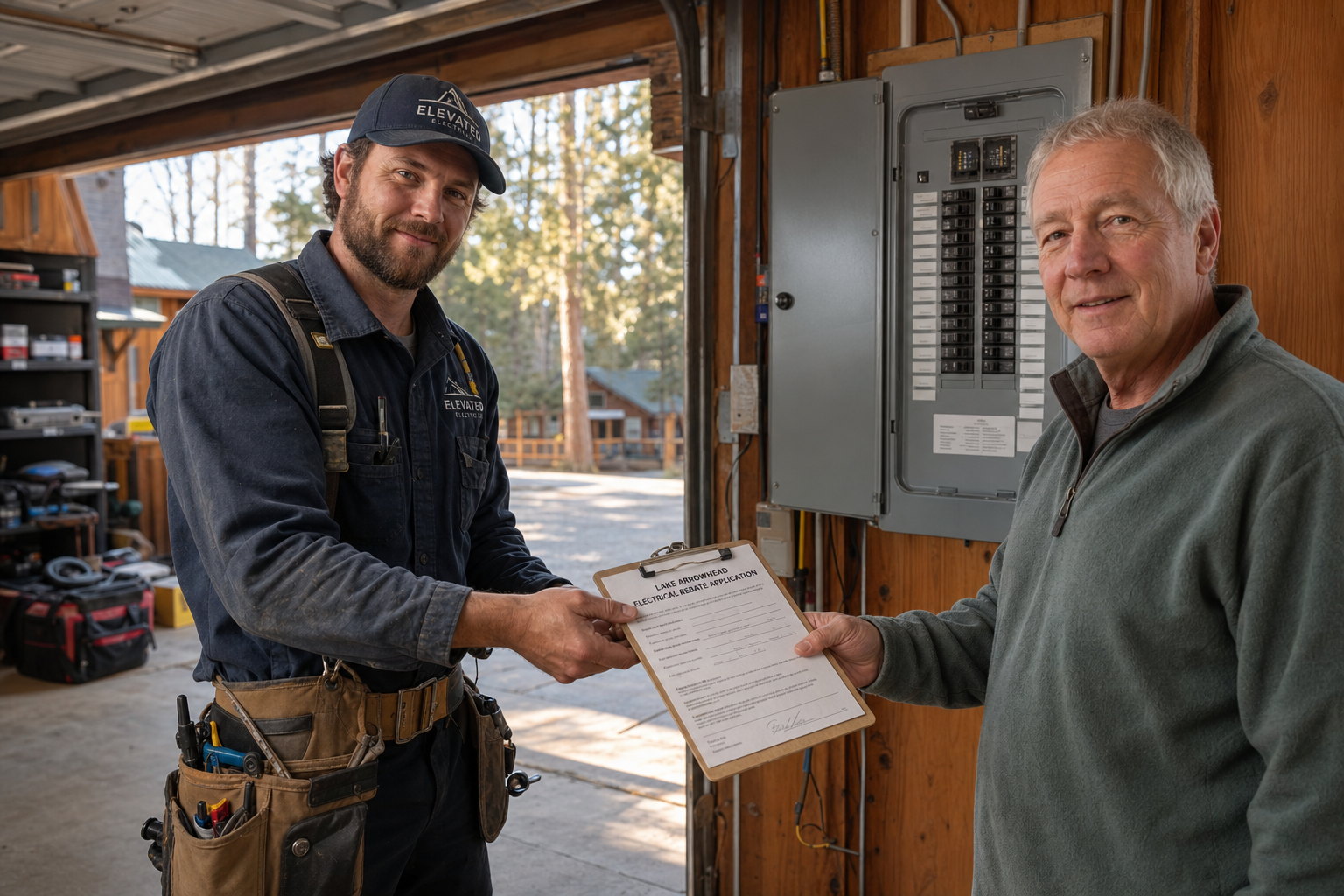
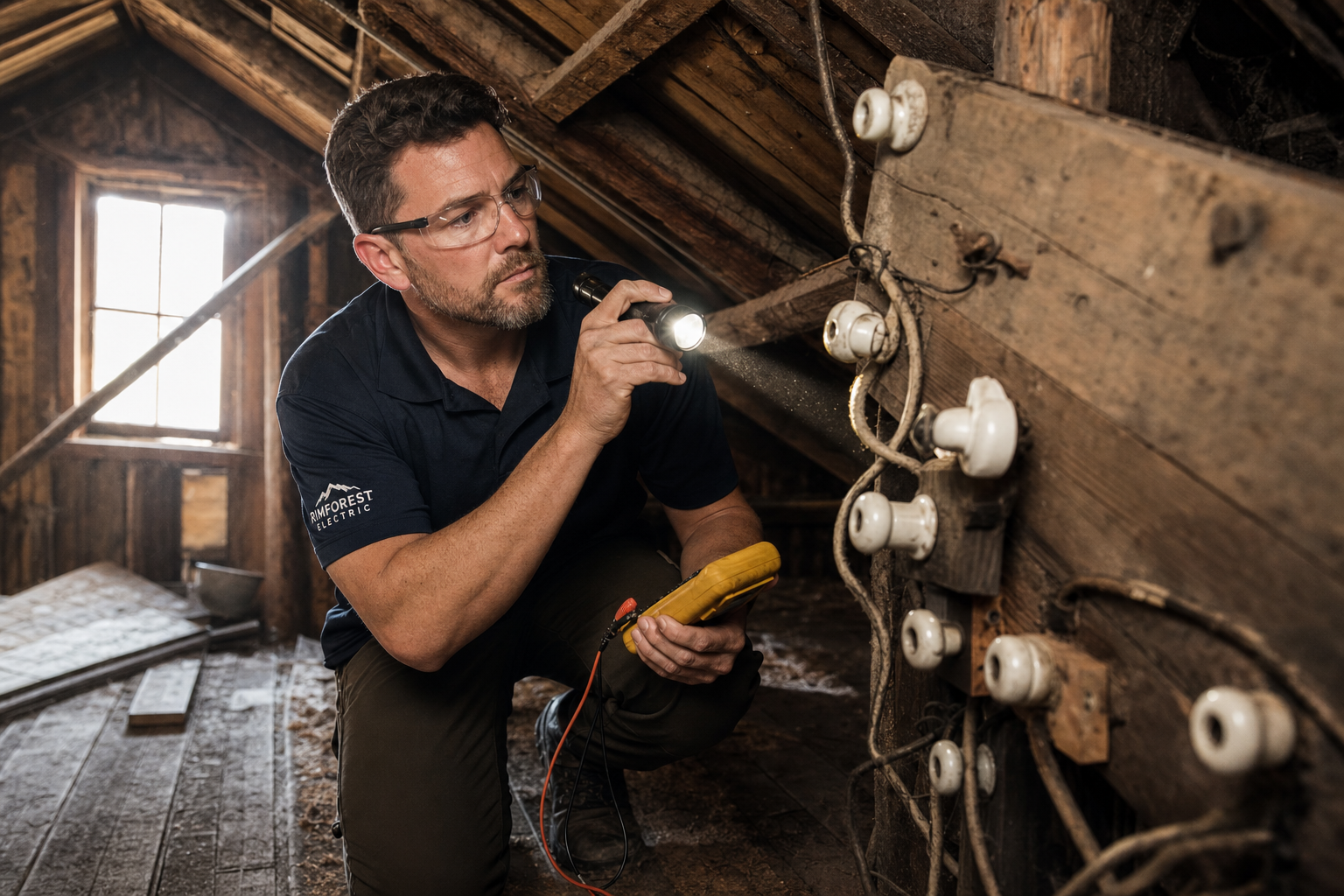
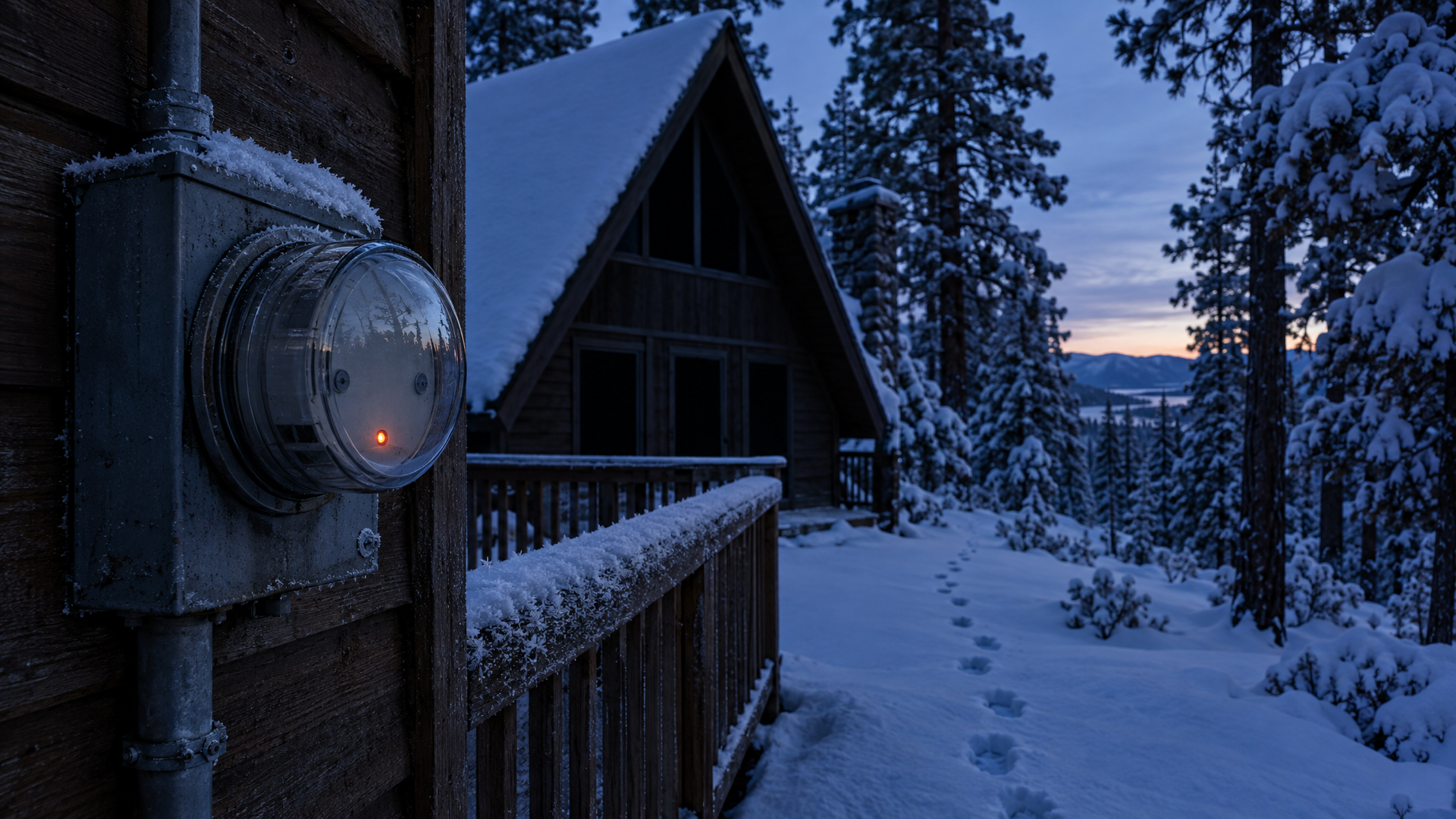
Not every electrician who works in the San Bernardino Valley belongs on your Lake Arrowhead property. This isn't snobbery — it's a practical reality of mountain electrical work. A licensed electrician from Redlands or San Bernardino who does excellent work on tract homes at 1,200 feet of elevation is working in a fundamentally different environment than a cabin at 5,200 feet that was built in 1974, sits in a forest, gets 10 feet of snow per year, has been through three DIY renovations by previous owners, and runs off a 100-amp panel that was undersized when it was installed. The qualifications that matter for mountain electrical work go beyond license number and hourly rate. Here's how to evaluate electricians specifically for Lake Arrowhead, Blue Jay, Crestline, Running Springs, Twin Peaks, and the surrounding San Bernardino Mountain communities. 1. Verify the C-10 License — Then Ask About Mountain Experience Separately California requires all electrical contractors to hold a C-10 Electrical Contractor license from the California Contractors State License Board. This is non-negotiable and easy to verify: search the contractor's name or license number at cslb.ca.gov before hiring anyone. Verifying the license takes 60 seconds and confirms: The license is current and in good standing The contractor hasn't had disciplinary actions or bond violations They're carrying workers' compensation insurance (required for any company with employees) However — and this matters in mountain communities specifically — a valid C-10 license tells you the electrician is qualified to do electrical work. It doesn't tell you they understand the unique challenges of San Bernardino Mountain properties. Once you've confirmed the license, ask directly: "How much of your work is in Lake Arrowhead and the surrounding mountain communities specifically?" and "Are you familiar with the permitting process through San Bernardino County for mountain properties?" An electrician who primarily works in valley communities will still be licensed. But they may not have encountered Federal Pacific panels in aging mountain cabins, may not know how snow loads affect outdoor electrical components, and may not have a working relationship with the county building department for mountain permits. These aren't minor gaps when you're dealing with a 1960s cabin at elevation. 2. Understand What Makes Mountain Electrical Work Different Lake Arrowhead properties present specific electrical challenges that don't exist in most California homes. Before hiring anyone, understand what you're asking them to handle: Older housing stock with accumulated modifications. Many cabins in Lake Arrowhead, Cedar Glen, and Twin Peaks were built between the 1950s and 1980s as weekend retreats — not full-time residences. Over decades, previous owners added circuits, modified wiring, and made improvements of varying quality, often without permits. The result is frequently a layered electrical system with no single person who understands it completely. An experienced mountain electrician knows how to trace these systems, identify unpermitted work, and bring things up to code efficiently. An electrician unfamiliar with this type of property will take far longer and may miss issues hiding behind decades of modifications. Extreme thermal cycling. Lake Arrowhead regularly experiences temperature swings of 40°F or more between day and night, and seasonal swings between below-freezing winters and warm summers. These cycles cause expansion and contraction in electrical connections, gradually loosening wire terminations at outlets, panels, and junction boxes. Loose connections are one of the primary causes of electrical fires in mountain homes — and an electrician who doesn't account for this environment when making connections is setting you up for problems down the road. High snow and moisture exposure. Exterior electrical components — service entrances, outdoor outlets, conduit, meter bases — face ice accumulation, freeze-thaw cycles, and moisture infiltration that doesn't occur at lower elevations. Proper weatherproofing and component selection for mountain conditions isn't optional; it's the difference between a connection that lasts and one that fails after two winters. Propane-heavy systems. Most mountain homes in Lake Arrowhead use propane rather than natural gas, and many have well pump systems. Both have specific electrical requirements — especially generator integration and transfer switch sizing — that an electrician primarily working in utility-served valley neighborhoods may handle less often. Wildfire risk and code implications. San Bernardino National Forest communities have specific code requirements related to fire risk that affect outdoor electrical work, subpanel placement, and certain wiring methods. A locally experienced electrician knows these requirements without needing to research them. 3. Ask About Permit Handling for San Bernardino County Mountain Communities Electrical work requiring permits in Lake Arrowhead falls under San Bernardino County jurisdiction, and the permitting process for mountain communities has its own rhythm and requirements. Unpermitted electrical work is one of the most common — and most costly — issues discovered during Lake Arrowhead real estate transactions. Buyers who inherit unpermitted work can face demands to bring everything up to current code, which on a 1970s cabin can be a substantial project. Sellers who discover unpermitted work late in escrow face pressure to complete remediation on an accelerated timeline, often at premium rates. When getting quotes, ask specifically: "Will you handle the permit application for this project?" "Do you have experience with San Bernardino County permitting for mountain communities?" "What happens if the inspector identifies issues that weren't in the original scope?" A legitimate, professional electrician will pull permits for any work that legally requires them. An electrician who suggests skipping the permit to "save time and money" is offering you short-term convenience in exchange for long-term liability — both in resale value and in safety. 4. Insurance Is Table Stakes — Verify It Specifically Two types of insurance matter when hiring a mountain electrician: General liability insurance covers property damage that might occur during the work. At minimum, look for $1 million per occurrence coverage. Ask for the certificate directly — don't just take verbal confirmation. Workers' compensation insurance covers the electrician's employees if they're injured on your property. In California, any contractor with employees is legally required to carry workers' comp. If they don't, and a worker is injured at your home, you can be held financially liable. The CSLB license verification mentioned above will show whether active workers' comp coverage is on file. For mountain properties specifically, consider this: electrical work on a Lake Arrowhead home often involves working in conditions that aren't present in valley jobs — steep roofs, icy conditions, confined crawl spaces under older cabins, and remote locations far from immediate medical response. Adequate insurance coverage isn't a bureaucratic formality here; it's genuinely relevant to the risk profile of the work. 5. Evaluate Their Familiarity With Vacation Home and Part-Time Resident Scenarios A large percentage of Lake Arrowhead properties are vacation homes, part-time residences, or short-term rentals. This creates electrical scenarios that a primarily residential valley electrician rarely encounters. Seasonal startup and shutdown. Cabins that sit empty for months need electrical systems that remain stable through the winter without damage from freezing, rodent activity, or moisture infiltration. An electrician experienced with vacation properties can advise on how to properly winterize electrical systems and what to inspect at seasonal startup. Remote monitoring and smart home integration. Part-time residents increasingly want remote visibility into their property's electrical and environmental status — especially after hearing about neighbors' pipes freezing during undetected power outages. An electrician familiar with smart panels, remote monitoring devices, and home automation can integrate these systems properly rather than leaving them as add-ons bolted to an unchanged older system. Short-term rental compliance. San Bernardino County has specific inspection requirements for short-term rental permits, including electrical safety standards. If you're renting your Lake Arrowhead property on Airbnb, VRBO, or similar platforms, your electrical system needs to meet these standards. An electrician who works regularly in the mountain rental market will know these requirements; one who doesn't may miss compliance issues that create liability down the road. Generator integration for unoccupied properties. A whole-home backup generator is particularly valuable for a vacation cabin because it operates automatically when you're not there — keeping the heat on, preventing pipe freezes, and maintaining security systems during outages. Proper sizing and transfer switch installation for a vacation home has different considerations than a primary residence. Ask whether the electrician has installed generators specifically for part-time occupied mountain properties. 6. Get Multiple Quotes — And Understand Why They Vary For any significant electrical project in Lake Arrowhead, get at least three quotes. Prices in the mountain market vary for legitimate reasons: Crew location. An electrician based in Lake Arrowhead or Blue Jay has no drive time to your property. An electrician coming from the Inland Valley may charge a travel surcharge or simply quote higher to cover their time. This isn't unreasonable — but it means a significantly lower quote from a valley-based contractor may not actually save you money once travel is factored in, and it means longer waits for return visits and emergency service. Permit inclusion. Some quotes include permit fees; others don't. Confirm explicitly what the quote covers. A quote that omits permits will be lower upfront but higher once permits are added — and if you ask an electrician to skip permits to reduce cost, you're taking on long-term liability. Material quality. Panel brands, breaker quality, wire gauge, and weatherproofing components differ in cost. An experienced mountain electrician may specify higher-quality materials that cost more upfront but last significantly longer in harsh conditions. Ask what specific materials are included in the quote. Scope assumptions. Two electricians quoting a "panel upgrade" may be quoting different scopes — one assuming a straightforward swap, another accounting for the likelihood of finding code violations in an older cabin that will need to be corrected during the work. The lower quote isn't always the more accurate one. When you receive quotes, ask each electrician to explain what's included, what's excluded, and what conditions might change the final price. A contractor who gives you a clear, itemized answer and explains their assumptions is a more reliable partner than one who gives you a number and moves on. 7. Emergency Availability Matters More at Elevation An electrical emergency in Lake Arrowhead in January is not the same as an electrical emergency in Rancho Cucamonga. Response time matters more, conditions are harder, and the consequences of waiting — frozen pipes from lost heat, no water from a dead well pump — compound quickly. Ask any electrician you're considering: "Do you offer emergency service after hours and on weekends? What's your typical response time to Lake Arrowhead during a winter storm?" An electrician who has to drive up from the valley during a snow event may not make it for hours — or at all if chains are required and conditions are deteriorating. A locally based electrician is already at elevation, already has a truck prepared for mountain conditions, and can respond on the timeline that mountain emergencies actually require. The Standard to Hold Any Mountain Electrician To A qualified electrician for Lake Arrowhead properties should be able to: Produce a current C-10 license number you can verify at cslb.ca.gov Provide certificates of general liability and workers' compensation insurance immediately Explain their specific experience with San Bernardino Mountain properties Handle permit applications through San Bernardino County without coaching Give you a detailed, itemized quote with clear scope assumptions Explain their emergency service availability and realistic response times for mountain conditions Demonstrate familiarity with the specific challenges common in older Lake Arrowhead cabins If an electrician hedges on any of these points, keep looking. The right contractor will answer all of them without hesitation — because they work in this environment every day. Lake Arrowhead Electrical is based in Blue Jay, at the heart of the mountain communities we serve. We work exclusively in Lake Arrowhead, Blue Jay, Crestline, Running Springs, Cedar Glen, Twin Peaks, Rim Forest, and the surrounding San Bernardino Mountain communities — which means we know the housing stock, the county permitting process, the weather conditions, and the specific challenges of mountain electrical work better than any valley contractor. We're fully licensed (C-10), insured, and available for emergency service. Whether you need a panel upgrade, generator installation, electrical inspection for a real estate transaction, or emergency repairs during a winter storm, we're already up the mountain. Call (909) 403-4740 for a free quote. Available 24/7 for emergencies.
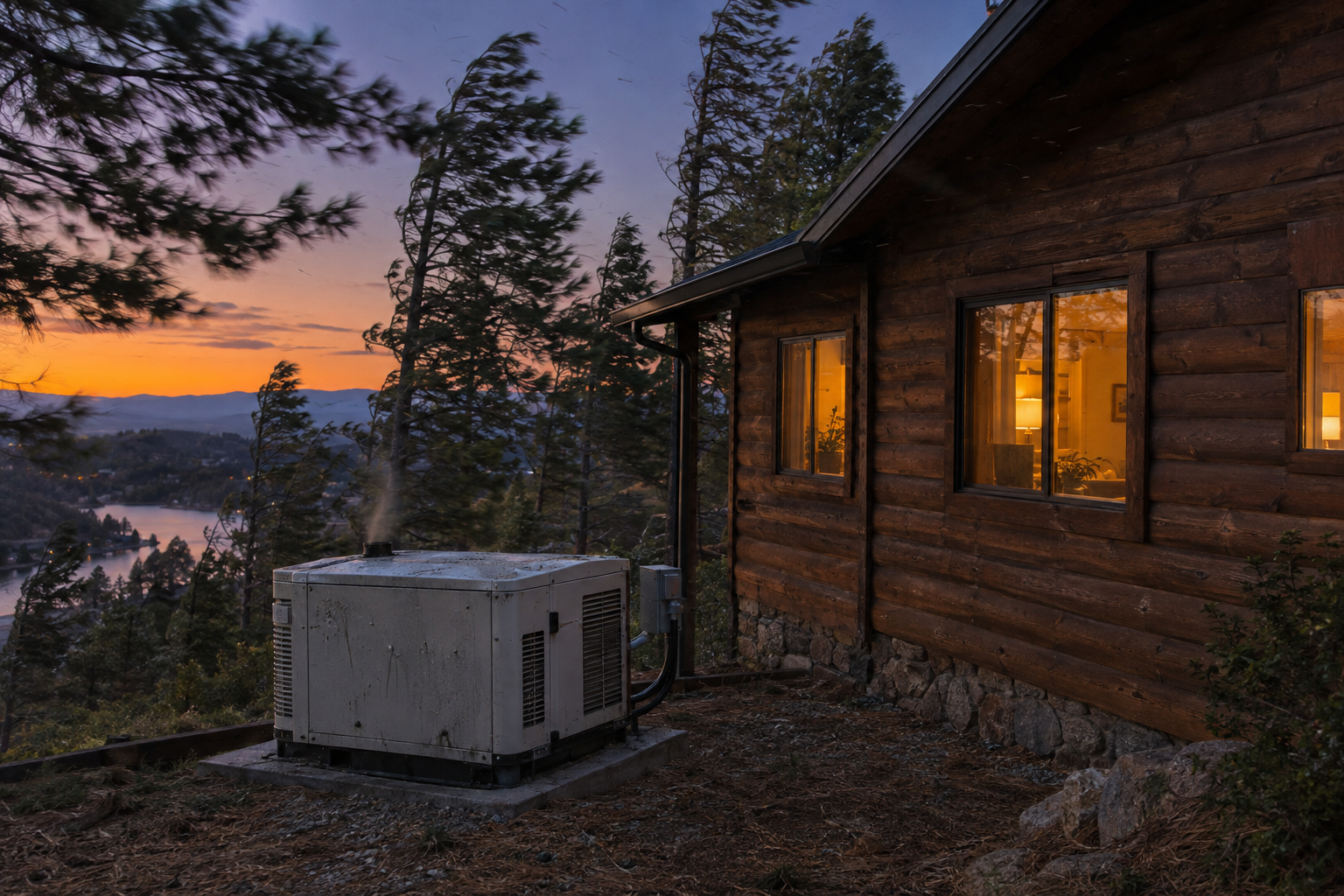
Lake Arrowhead cabin under storm clouds requiring backup generator power
January 20, 2026
The power flickers. Then it goes out completely. In the San Bernardino Mountains, this isn't a rare occurrence—it's a regular reality of mountain living. Heavy snow, ice storms, fallen trees, and high winds can knock out electricity in Lake Arrowhead, Blue Jay, Crestline, and Running Springs for hours or even days. While you can't control when storms hit, you can control how they affect your home. A whole-home backup generator transforms power outages from major disruptions into minor inconveniences. Power Outages in Lake Arrowhead: The Real Cost Mountain communities face more frequent and longer power outages than valley residents. When the grid goes down at 5,000+ feet elevation during winter, the stakes are higher: Immediate Concerns: Frozen pipes from loss of heating Spoiled food from refrigerator/freezer failure No water (if you have a well pump system) Security system shutdown Medical equipment failure Unsafe conditions for elderly or vulnerable family members Long-Term Damage: Burst pipes causing thousands in water damage HVAC system damage from freezing temperatures Insurance claims and deductibles Temporary housing costs while repairs are made Lost work productivity The average Lake Arrowhead power outage costs homeowners $500-2,000 when you factor in spoiled food, damaged pipes, hotel stays, and lost productivity. A single major outage can cost more than your generator installation. Whole-Home Generators vs. Portable Generators: What Lake Arrowhead Homeowners Need to Know Portable Generators: The Budget Option (With Major Drawbacks) Portable generators cost less upfront ($400-1,500), but they come with significant limitations for Lake Arrowhead homes: Limitations: Manual setup every time power fails (often in freezing, dark conditions) Limited capacity (can't power whole home) Requires fuel storage and regular refueling Carbon monoxide risks if not properly ventilated No automatic operation (useless if you're away from your property) Noisy operation Requires extension cords creating trip hazards Best Use Cases: Occasional weekend cabin use Temporary solution while planning whole-home installation Budget constraints preventing permanent installation Very small cabins with minimal electrical needs Whole-Home Backup Generators: Complete Power Security Permanent backup generators install outside your Lake Arrowhead home and connect directly to your electrical panel through a transfer switch. Advantages: Automatic operation: Power restores within 10-30 seconds of outage Complete coverage: Powers entire home including HVAC, appliances, lighting Runs on natural gas or propane: No fuel storage or refilling needed Operates while you're away: Protects vacation homes and part-time residences Increases property value: Major selling point for mountain real estate Quieter operation: Enclosed units with sound dampening Weather-protected: Built for mountain conditions Weekly self-testing: Ensures readiness when you need it Investment Range: Equipment and installation: $5,000-15,000 depending on home size and fuel type Ongoing costs: Minimal (annual maintenance $150-300) For Lake Arrowhead homeowners, whole-home generators aren't luxury items—they're practical investments that pay for themselves by preventing damage and maintaining comfort during inevitable mountain outages. Sizing Your Generator: How Much Power Does Your Lake Arrowhead Home Need? Generator sizing is critical. Too small and it won't power essential systems. Too large wastes money on unnecessary capacity. Essential Load Calculation A licensed electrician evaluates your home's specific needs, but here are general guidelines: Small Cabin (under 1,500 sq ft): Generator size: 10-12 kW Powers: Refrigerator, furnace, lights, well pump, some outlets Fuel type: Propane (most mountain homes) Installation cost range: $5,000-8,000 Medium Home (1,500-2,500 sq ft): Generator size: 14-20 kW Powers: Full HVAC, all appliances, lighting, outlets, security systems Fuel type: Propane or natural gas (if available) Installation cost range: $7,000-12,000 Large Home (2,500+ sq ft): Generator size: 22-30 kW Powers: Everything including hot tub, additional HVAC zones, garage Fuel type: Propane or natural gas Installation cost range: $10,000-15,000+ Critical Circuits for Mountain Homes Even with a properly sized generator, prioritizing critical circuits ensures efficient operation: Must-Have: Heating system (furnace blower, baseboard heaters) Well pump (if applicable) Refrigerator and freezer At least one bathroom Kitchen outlets Security/communication systems Should-Have: All HVAC zones Water heater Laundry Garage door opener Outdoor lighting Nice-to-Have: Hot tub/spa Electric vehicle charger Workshop/garage outlets All lighting circuits Your electrician will design a load management system ensuring critical circuits receive power first, with additional capacity available for comfort systems. Natural Gas vs. Propane Generators for Lake Arrowhead Propane Generators: The Mountain Standard Most Lake Arrowhead properties use propane for backup generators because natural gas infrastructure is limited in mountain communities. Propane Advantages: Available throughout mountain areas Tanks already exist for heating/cooking Reliable fuel supply (not grid-dependent) Can add larger tank for extended runtime Clean burning with minimal maintenance Propane Considerations: Requires adequate tank capacity (recommend 500-1,000 gallon tank) Tank refills needed during extended outages Fuel costs vary seasonally Tank placement requires space and access Runtime Examples (20 kW generator at 50% load): 250-gallon tank: ~24 hours 500-gallon tank: ~48 hours 1,000-gallon tank: ~96 hours For most Lake Arrowhead outages (12-48 hours), a 500-gallon propane tank provides adequate fuel with buffer capacity. Natural Gas Generators: Limited But Ideal When Available Some Lake Arrowhead neighborhoods have natural gas infrastructure, making it the preferred fuel source. Natural Gas Advantages: Unlimited runtime (as long as gas service continues) No refueling ever needed Lower fuel costs than propane No tank space requirements Simpler installation Natural Gas Limitations: Not available in most mountain areas Depends on utility infrastructure (can fail during disasters) Requires adequate gas line capacity If your Lake Arrowhead property has natural gas service, verify the line can support both your home's existing gas appliances AND generator demand simultaneously. Generator Installation: What Lake Arrowhead Homeowners Should Expect Phase 1: Site Assessment and Planning A licensed electrician visits your property to evaluate: Electrical System: Current panel capacity Load calculation for essential circuits Transfer switch requirements Necessary upgrades to accommodate generator Generator Placement: Level concrete pad location Clearance requirements (3-4 feet from structures) Distance from windows/vents (carbon monoxide safety) Fuel line routing from tank to generator Sound considerations for neighbors Permitting: San Bernardino County building permits Electrical permits Gas line permits (if applicable) Homeowner association approvals (if applicable) Phase 2: Equipment Selection Your electrician recommends specific generator models based on: Required power capacity Fuel type availability Budget constraints Noise level preferences Available space Aesthetic preferences (aluminum vs. steel enclosures) Leading Generator Brands for Mountain Homes: Generac (most popular, widest service network) Kohler (premium quality, quieter operation) Briggs & Stratton (reliable, good value) Cummins (commercial-grade durability) All major brands offer models suitable for Lake Arrowhead conditions, with weather-resistant enclosures and cold-weather starting packages. Phase 3: Installation Professional installation typically takes 2-4 days: Day 1-2: Site Preparation Concrete pad installation (must cure before generator placement) Fuel line routing and connection Electrical conduit installation Day 3: Generator Installation Generator placement on pad Transfer switch installation at electrical panel Electrical connections from transfer switch to generator Fuel line final connection and testing Battery installation Day 4: Testing and Commissioning Complete system testing Load testing to verify proper operation Transfer switch timing adjustment Homeowner training on operation Final inspection and permit closure Phase 4: Activation and Monitoring Modern generators include: Automatic weekly self-testing (usually Sunday mornings) Mobile app monitoring (some models) Maintenance reminders Error code alerts Your electrician will program the generator for optimal performance and explain the monitoring features. Generator Maintenance: Keeping Your System Ready Backup generators are designed for long service lives, but regular maintenance ensures reliability when you need it most. Weekly Automatic Testing Generators self-test weekly, running for 15-20 minutes to: Exercise the engine Circulate oil Charge the battery Verify all systems function properly You'll hear the generator run briefly (usually quieter than lawn mowers). This is normal and ensures readiness. Annual Professional Maintenance Schedule yearly service with a qualified technician: Maintenance Checklist: Oil and filter change Air filter replacement Spark plug inspection/replacement Battery test and terminals cleaning Fuel system inspection Transfer switch testing Voltage and frequency verification Coolant level check (liquid-cooled units) Control panel diagnostics Typical Annual Maintenance Cost: $150-300 Homeowner Responsibilities Between professional services: Keep area around generator clear (3-foot radius) Remove snow and ice buildup in winter Inspect for rodent damage (they like warm enclosures) Listen during weekly tests for unusual sounds Verify no error codes appear Ensure adequate propane level (don't let tank drop below 20%) Extended Warranty Options Most generators include: 2-3 year manufacturer warranty (standard) 5-10 year extended warranty (optional purchase) For Lake Arrowhead's harsh mountain conditions, extended warranties provide peace of mind and protect your investment. Cost typically ranges from $300-800 depending on generator size and coverage length. Common Lake Arrowhead Generator Questions Q: Will my generator work during heavy snow? A: Yes. Generators include weather-resistant enclosures designed for mountain conditions. Snow accumulation should be cleared from around the unit (maintain 3-foot clearance), but the generator will start and run in freezing temperatures. Most include cold-weather starting packages for reliable operation down to -20°F. Q: How long can a generator run continuously? A: Whole-home generators are designed for extended operation. With proper fuel supply, they can run indefinitely. However, most Lake Arrowhead outages resolve within 12-72 hours. The limiting factor is typically fuel capacity (propane) rather than generator capability. Q: Will my generator power my entire house? A: It depends on generator sizing and your home's electrical load. Properly sized generators power all essential systems and most comfort systems. Very large homes may require load shedding (automatically managing which circuits receive power) during peak demand, but critical systems always maintain power. Q: How loud are backup generators? A: Modern residential generators operate at 60-70 decibels (similar to normal conversation or dishwasher). This is significantly quieter than portable generators. Placement away from bedrooms and neighbor proximity further reduces noise impact. Q: Can I install a generator myself to save money? A: No. California law requires licensed electricians to install transfer switches and make electrical connections. Propane work requires licensed gas fitters. DIY installation voids warranties, violates building codes, creates insurance issues, and poses serious safety risks including carbon monoxide poisoning and electrical fires. Q: What happens to my generator when power is restored? A: The transfer switch automatically detects utility power restoration, allows a brief stabilization period (avoiding voltage spikes), then transfers your home back to grid power. The generator runs a short cool-down period, then automatically shuts off. The entire process is seamless—you may not even notice the transition. Q: Do generators require special insurance? A: Your existing homeowner's insurance typically covers permanently installed generators. However, inform your insurance company about the installation. Some insurers offer premium reductions because generators prevent freeze damage and reduce claim likelihood. Q: How do generators affect property value? A: Backup generators significantly increase Lake Arrowhead property values. Buyers view them as essential infrastructure for mountain living, similar to well pumps or septic systems. Expect to recoup 70-90% of installation costs in increased property value, with full cost recovery in high-demand markets. Real Lake Arrowhead Generator Success Stories The Vacation Home Owner "We're only at our Lake Arrowhead cabin every other weekend. Last winter, we were in Orange County when a major storm knocked out power for 4 days. Our neighbors' pipes froze and burst—$15,000 in damage. Our generator kicked on automatically, kept the heat running, and we didn't have a single problem. Best $8,500 we ever spent." - Mark T., Blue Jay The Full-Time Resident "We moved to Lake Arrowhead for retirement and love it—except the power outages. Before installing our generator, we'd go to a hotel every time a storm was forecast. Now we stay comfortable at home no matter what. Last month's 36-hour outage didn't affect us at all. We just lived normally while neighbors sat in the dark." - Susan & Robert K., Lake Arrowhead The Medical Necessity "My wife requires oxygen therapy and refrigerated medications. Losing power isn't just inconvenient—it's life-threatening. Our generator is literally a life-saving device. The peace of mind knowing her medical equipment will never lose power is priceless." - James M., Crestline Financing Options for Lake Arrowhead Generator Installation Generator installation represents a significant investment, but several financing options make it accessible: Home Equity Line of Credit (HELOC) Use existing home equity to finance generator installation: Typically lowest interest rates (currently 7-9%) Interest may be tax-deductible Flexible repayment terms Requires adequate home equity Contractor Financing Many generator installers offer financing programs: Quick approval process Promotional 0% APR periods (12-24 months typical) No collateral required Higher interest rates after promotional period Cash Payment Discounts Some electricians offer 3-5% discounts for cash payment: Immediate savings No interest or financing fees Requires full payment at installation Energy Efficiency Loans Some California programs offer low-interest loans for home improvements that increase resilience and energy efficiency. Check current availability through: PACE financing (Property Assessed Clean Energy) California FHA 203(k) rehabilitation loans Local utility rebate programs Insurance Benefits of Backup Generators Installing a backup generator can reduce homeowner's insurance costs and improve coverage: Premium Reductions Many insurance companies offer 5-10% premium reductions for homes with backup generators because they: Prevent freeze damage from heating system failure Maintain security system operation Reduce likelihood of claims during outages Demonstrate proactive risk management Improved Coverage Generators may help you: Qualify for better insurance companies (some won't insure mountain homes without backup power) Reduce deductibles Improve claim outcomes (showing you took reasonable precautions) Documentation Requirements To receive insurance benefits: Provide professional installation documentation Include generator on homeowner's policy Maintain annual service records Verify adequate fuel supply (propane tank size) Contact your insurance agent before installation to understand specific requirements and potential premium reductions. The Best Time to Install Your Lake Arrowhead Generator Spring and Fall: Ideal Installation Windows Advantages: Better weather for installation crews Concrete curing conditions optimal Less demand = better electrician availability = lower costs Time to test system before winter storms Typical Installation Timeline: Initial consultation: 1-2 weeks Permitting: 2-4 weeks Equipment delivery: 1-3 weeks Installation: 3-5 days Total: 6-10 weeks from decision to operation Don't Wait for Winter Common mistake: Waiting until power outages start to install generators. Problems with winter installation: Electricians overwhelmed with emergency calls Limited crew availability Weather delays installation Frozen ground complicates concrete work You're without protection during current outages By the time you experience a major outage and decide you need a generator, you're 2-3 months away from installation. Meanwhile, another storm could cause thousands in damage. Take Control of Power Outages: Get Your Free Generator Assessment Mountain living means accepting nature's power and beauty—but that doesn't mean accepting powerless vulnerability during storms. A professionally installed backup generator transforms power outages from major disasters into minor inconveniences. Whether you're protecting a vacation cabin or your year-round mountain home, backup power isn't a luxury—it's smart risk management that pays for itself by preventing damage, maintaining comfort, and protecting your family. Lake Arrowhead Electrical has installed hundreds of backup generators throughout the San Bernardino Mountains. We understand mountain conditions, navigate local permitting, and design systems that work reliably when you need them most. Ready to Protect Your Lake Arrowhead Home? Lake Arrowhead Electrical offers: Free in-home generator assessment Load calculations and system design Permit handling and coordination Professional installation with licensed electricians Ongoing maintenance and service 24/7 emergency support Our generator services include: Whole-home backup generator installation Transfer switch installation and upgrades Load management system design Annual generator maintenance Emergency generator repair Pre-purchase generator inspections Propane tank coordination Permit and inspection services Call (909) 403-4740 for your free generator consultation. Proudly serving Lake Arrowhead, Blue Jay, Crestline, Running Springs, Cedar Glen, Twin Peaks, Rim Forest, and all San Bernardino Mountain communities. Lake Arrowhead Electrical – Licensed, insured, and locally trusted for reliable electrical solutions that keep your mountain home safe and comfortable year-round. Don't wait for the next power outage to wish you had a generator. Take control of your power security today.
January 4, 2026
The snow is falling, your fireplace is crackling, and Lake Arrowhead is transforming into the winter wonderland you love. Then suddenly—the lights flicker. A few seconds later, they're back on. Everything seems fine, but you don't realize that brief power surge just shortened the lifespan of your refrigerator, damaged your smart TV, and potentially corrupted data on your home office computer. Power surges are one of the most overlooked electrical hazards facing Lake Arrowhead homeowners, and winter is when they strike most frequently. Between ice storms, heavy snow loads on power lines, and utility grid fluctuations from temperature extremes, our mountain community experiences power quality issues that valley homes rarely encounter. The good news? With the right protection strategies, you can safeguard your valuable electronics and appliances from surge damage—and avoid the frustration and expense of premature equipment failure. What Is a Power Surge (And Why Winter Makes Them Worse) A power surge is a brief spike in your home's electrical voltage that exceeds the standard 120 volts flowing through your outlets. These surges can range from minor fluctuations barely above normal to massive spikes exceeding 6,000 volts. Most people think of lightning strikes when they hear "power surge," but in Lake Arrowhead, the reality is more complex: Internal Surges: When large appliances like your furnace, refrigerator, or well pump cycle on and off, they create small voltage spikes throughout your home's electrical system. These happen daily and gradually degrade sensitive electronics over time. Utility Grid Switching: When Southern California Edison responds to outages or adjusts power distribution during high-demand periods, voltage fluctuations ripple through the system. Mountain communities are particularly vulnerable because we're often at the end of long distribution lines. Weather-Related Events: Ice accumulation on power lines, snow-laden trees contacting electrical equipment, and wind damage create power interruptions followed by restoration surges—the voltage spike when power comes back on after an outage. Temperature Fluctuations: Lake Arrowhead's dramatic temperature swings between day and night cause expansion and contraction in electrical infrastructure, creating loose connections that generate surges. Winter amplifies all these factors. Your heating system cycles more frequently, creating more internal surges. Ice storms and heavy snow create more grid instabilities. And the combination of cold weather equipment stress and high power demand stresses the entire electrical system. The Hidden Cost of Power Surges in Mountain Homes Most surge damage happens gradually, not catastrophically. You won't necessarily see sparks fly or smell burning plastic. Instead, your electronics slowly deteriorate: Shortened Equipment Lifespan: That smart TV that should last 10 years fails after 5. Your refrigerator compressor burns out years early. Your HVAC system needs replacement sooner than expected. Data Loss: Home office computers, security systems, and smart home devices can suffer corrupted memory, lost files, and system failures from repeated small surges. Reduced Performance: Electronics experiencing surge damage often show declining performance—slower computers, dimmer TV displays, inconsistent appliance operation—before complete failure. Expensive Repairs: Modern appliances contain circuit boards and electronic controls that are expensive to replace. A surge-damaged refrigerator control board can cost $400-800 to repair—nearly as much as a new appliance. Consider this: The average American household has over $15,000 worth of surge-sensitive devices. In Lake Arrowhead homes with smart home systems, home offices, and modern appliances, that number is often much higher. Without proper protection, you're gambling with tens of thousands of dollars in equipment. What Mountain Homeowners Need to Protect Not all devices face equal surge risk. Understanding what needs protection helps you prioritize your surge protection strategy: High Priority (Protect First): Computers, laptops, and networking equipment Smart TVs and home entertainment systems Smart home hubs and automation systems Security system control panels Major appliances (refrigerators, washers, dryers) HVAC system control boards Well pump controls (if applicable) Medical equipment Medium Priority: Kitchen appliances (microwaves, coffee makers) Office equipment (printers, monitors) Gaming consoles Garage door openers Ceiling fans with electronic controls Lower Priority (But Still Worth Protecting): Lamps with standard bulbs Basic power tools Simple appliances without electronic controls Everything electronic benefits from surge protection, but if you're working with a budget, start with the most expensive and critical items first. The Three Levels of Surge Protection Effective surge protection isn't a single solution—it's a layered defense strategy that stops surges at different points in your electrical system. Level 1: Whole-Home Surge Protection A whole-home surge protector installs at your electrical panel and protects your entire home by intercepting large surges before they enter your electrical system. How It Works: The device monitors incoming voltage and diverts surge energy safely to ground when voltage exceeds safe levels. Think of it as a pressure relief valve for your electrical system. What It Protects Against: Utility grid surges from power restoration after outages Lightning strikes to nearby power lines Transformer malfunctions Large external surges before they reach your outlets What It Doesn't Protect Against: Internal surges created by appliances cycling within your home. These surges originate downstream from the protection point. Cost: $300-600 for equipment and professional installation by a licensed electrician. Lake Arrowhead Benefit: Because we experience more utility grid fluctuations and weather-related power events, whole-home protection is especially valuable here. It's the foundation of your surge protection strategy. Level 2: Point-of-Use Surge Protectors These are the surge protector power strips you plug into outlets to protect individual devices or groups of devices. Quality Matters: Not all power strips are surge protectors. Look for these specifications: UL 1449 rating (the safety standard for surge protection) Joule rating of at least 1,000 (higher is better—this indicates energy absorption capacity) Clamping voltage of 400V or less (lower is better—this is when protection activates) Indicator lights showing protection status $25,000+ connected equipment warranty What It Protects: Individual devices plugged into the unit from both external and internal surges. Best Practices: Replace surge protectors every 3-5 years—their protection capacity degrades over time Never daisy-chain surge protectors (plugging one into another) Don't use extension cords with surge protectors Ensure the protection indicator light is on—if it's off, the unit is no longer protecting Cost: $20-100 depending on features and number of outlets. Lake Arrowhead Consideration: Mountain weather can cause frequent small surges that deplete surge protector capacity faster. Check your units annually and replace if the protection indicator is off. Level 3: Specialized Protection for Critical Equipment Some devices merit dedicated, high-quality protection beyond standard power strips. Uninterruptible Power Supplies (UPS): These combine surge protection with battery backup, ensuring: Protection from surges and voltage sags Continuous power during brief outages Clean, regulated power for sensitive electronics Time to properly shut down equipment during extended outages Ideal for: Home office computers, networking equipment, security systems, medical devices. Dedicated Appliance Surge Protectors: Heavy-duty units designed for large appliances like refrigerators, washing machines, and HVAC equipment. Whole-House Generator Integration: Properly installed backup generators include surge suppression in the transfer switch, providing both backup power and surge protection. Common Surge Protection Mistakes Lake Arrowhead Homeowners Make After years of electrical service in the mountains, we see these mistakes repeatedly: Mistake #1: Assuming "6-Outlet Power Strip" Means "Surge Protector" Many inexpensive multi-outlet power strips provide no surge protection whatsoever. Always verify: Look for "surge protector" or "surge suppressor" on the packaging Check for a UL 1449 rating Confirm joule rating and clamping voltage specifications If the packaging doesn't mention these specifications, it's not a surge protector—just a basic power strip. Mistake #2: Ignoring the Protection Indicator Light Most quality surge protectors have a light indicating when protection is active. If that light is off or red (depending on the model), your devices are no longer protected. The surge protector has absorbed its maximum capacity and needs replacement. We frequently find homeowners using "dead" surge protectors for years, completely unaware their equipment has no protection. Mistake #3: Protecting Only Computers While Ignoring Appliances Modern appliances contain expensive electronic control boards that are just as vulnerable to surge damage as computers. Your refrigerator, washing machine, dryer, dishwasher, and HVAC system all need protection. Replacing a surge-damaged refrigerator control board costs hundreds of dollars—far more than the surge protector that would have prevented the damage. Mistake #4: Not Replacing Surge Protectors After Major Events If your area experienced a lightning strike, major power outage, or significant electrical event, inspect and potentially replace your surge protectors. Large surges can exhaust a surge protector's capacity in a single event, leaving it unable to protect against future surges. Mistake #5: Forgetting About Coaxial and Phone Line Protection Surges don't only travel through electrical outlets. Cable TV lines, satellite connections, phone lines, and internet connections can also carry surge voltage into your equipment. Quality surge protectors include coaxial and phone line connections alongside electrical outlets, protecting all pathways into your devices. Mistake #6: Skipping Whole-Home Protection Many Lake Arrowhead homeowners rely solely on point-of-use surge protectors, missing the comprehensive protection that whole-home units provide. Whole-home protection is especially important for: Hardwired appliances you can't plug into a power strip Built-in equipment like furnaces and well pumps Lighting systems with electronic controls The overall health of your home's electrical system Think of surge protection like home security: You want both a perimeter defense (whole-home protection) and individual room security (point-of-use protectors). Installing Whole-Home Surge Protection: What to Expect Whole-home surge protector installation is not a DIY project—it requires a licensed electrician and proper permitting. Here's what the process involves: Assessment: The electrician evaluates your electrical panel to determine: Panel compatibility with surge protection devices Available space for installation Proper grounding for surge diversion Overall panel condition (older panels may need upgrades first) Device Selection: Professional-grade whole-home surge protectors come in various capacities. Your electrician will recommend appropriate specifications based on: Your home's electrical service size (100-amp, 200-amp, etc.) Local lightning risk Presence of sensitive equipment Your budget Installation: The surge protector connects directly to your electrical panel's main bus bars and ground system. Installation typically takes 1-2 hours and includes: Shutting off main breaker (temporary power interruption) Mounting the surge protection device Making electrical connections Verifying proper grounding Testing the installation Restoring power Documentation: Your electrician should provide: Warranty registration information Product specifications Installation date (for future reference) Testing and maintenance recommendations Permits: San Bernardino County requires permits for electrical panel modifications. Professional electricians handle permitting and final inspection. Cost Breakdown: Surge protection device: $150-400 Labor and installation: $150-300 Permit fees: $50-100 Total: $300-600 This investment protects tens of thousands of dollars in equipment and provides peace of mind during every mountain storm. Special Surge Protection Considerations for Lake Arrowhead Homes Mountain properties face unique challenges that make surge protection even more critical: Well Pumps and Water Systems If your property relies on a well pump, the control system is highly vulnerable to surge damage. A damaged well pump controller can leave you without water and cost $500-2,000 to replace. Protection strategy: Install dedicated surge protection at both the electrical panel (whole-home) and at the well pump control box. Consider a UPS for the control system if water availability is critical. Vacation Homes and Part-Time Residences If you're not at your Lake Arrowhead property year-round, surge damage can occur while you're away, remaining undiscovered until equipment fails during your next visit. Protection strategy: Whole-home surge protection is essential for vacation properties. Consider unplugging non-essential electronics when away for extended periods, and install monitoring systems that alert you to electrical problems. Smart Home Systems Modern mountain homes often include smart thermostats, security systems, lighting controls, and automation hubs—all expensive and surge-sensitive. Protection strategy: Use high-quality UPS devices for central hubs and networking equipment. Ensure coaxial and network lines have surge protection since smart devices often connect through these pathways. Home Offices With more people working remotely from Lake Arrowhead, home office equipment represents significant investment and contains critical business data. Protection strategy: Never rely solely on basic power strips for home office equipment. Invest in quality UPS units that provide both surge protection and battery backup, ensuring you can save work and properly shut down equipment during power events. Backup Generators If you have a whole-home backup generator (and you should consider one for mountain living), the transfer switch should include surge protection. Generators can actually produce "dirty" power with voltage fluctuations that damage electronics. Protection strategy: Verify your transfer switch includes surge suppression. If not, install whole-home surge protection at your main panel. Surge Protection Maintenance: Keep Your Protection Active Surge protection isn't a "set it and forget it" solution. Regular maintenance ensures continued protection: Monthly: Check indicator lights on all point-of-use surge protectors. Replace any units showing inactive protection. Quarterly: Inspect power cords and surge protector housings for damage. Look for discoloration, burning smells, or loose connections. Annually: Test whole-home surge protection if your unit includes a test button. Consider having your electrician inspect the installation during routine electrical service. After Major Events: Following significant storms, lightning strikes nearby, or extended power outages, inspect all surge protection devices. Large events can exhaust protection capacity. Every 3-5 Years: Replace point-of-use surge protectors even if they appear functional. Protection capacity degrades over time through small surges you may not notice. When Moving or Renovating: If you're updating your electrical panel, add whole-home surge protection during the upgrade. If you're adding sensitive equipment, reassess your protection needs. What to Do When a Surge Happens Despite best protection efforts, some surges may affect your equipment. Here's how to respond: Immediate Actions: Check all surge protector indicator lights—replace any showing inactive protection Test affected devices before continuing use Document any equipment damage for insurance claims Unplug equipment if you suspect electrical system damage Assessment: If multiple devices failed simultaneously, you likely experienced a significant surge If only one device failed, it may be unrelated to surge activity Look for signs of electrical system damage (burning smells, discolored outlets, tripped breakers) Professional Evaluation: Contact a Lake Arrowhead electrician if you notice: Multiple surge protectors failed simultaneously Electrical system irregularities (flickering lights, unusual sounds) Concerns about your panel or wiring Questions about improving your protection strategy Insurance Considerations: Some homeowner policies cover surge damage to electronics and appliances. Document all damage with photos, receipts, and description of the surge event for potential claims. Is Surge Protection Really Worth the Investment? Let's look at the math: Without Surge Protection: Smart TV: $1,200 (replaced after surge damage) Home office computer: $1,500 (replaced after surge damage) Refrigerator control board: $600 (repair after surge damage) HVAC control board: $800 (repair after surge damage) Networking equipment: $400 (replaced after surge damage) Total loss from single major surge: $4,500 With Surge Protection: Whole-home surge protector: $500 (one-time installation) Quality point-of-use protectors (5 units): $250 Replacement surge protectors every 3-5 years: $250 Total 5-year cost: $1,000 The choice is clear. For less than the cost of replacing a single damaged smart TV and computer, you can protect your entire home for years. And this calculation doesn't even account for the inconvenience of equipment failure, lost data, interrupted work, or the stress of dealing with simultaneous appliance failures during a mountain winter. Protect Your Mountain Investment Today Your Lake Arrowhead home is more than a house—it's your mountain retreat, your investment, and your sanctuary from the busy world. Don't let preventable surge damage compromise your comfort or cost you thousands in premature equipment replacement. Winter is the worst time to discover your surge protection is inadequate. The combination of increased heating system cycles, winter storms, and ice-related grid instabilities makes the next few months the highest-risk period for surge events. Now is the time to evaluate your home's surge protection and make improvements before the next major storm rolls through. Ready to Protect Your Home from Winter Power Surges? Lake Arrowhead Electrical specializes in comprehensive surge protection solutions for mountain properties. We understand the unique electrical challenges of life at elevation and provide expert installation and service throughout the San Bernardino Mountains. Our Surge Protection Services Include: Whole-home surge protector installation Electrical panel evaluation and upgrades Point-of-use protection recommendations Electrical system inspections Generator transfer switch integration Emergency electrical repairs after surge events Don't wait until surge damage costs you thousands. Call (909) 403-4740 today for a free surge protection consultation. Proudly serving Lake Arrowhead, Blue Jay, Crestline, Running Springs, Cedar Glen, Twin Peaks, and all San Bernardino Mountain communities. Lake Arrowhead Electrical – Licensed, insured, and trusted by mountain homeowners for reliable electrical solutions that protect your family and your investment. Ready to take the next step? Contact us today at (909) 403-4740 or visit www.lakearrowheadelectrical.com to schedule your surge protection assessment. Winter storms wait for no one—protect your home now.
December 22, 2025
The snow is falling gently on the pines, families are gathering around crackling fireplaces, and Lake Arrowhead has transformed into a true winter wonderland. From everyone at Lake Arrowhead Electrical, we want to wish you and your loved ones a very Merry Christmas and a safe, joyful holiday season. Christmas in the San Bernardino Mountains is something truly special. Whether you're a year-round resident of Lake Arrowhead, Blue Jay, Crestline, or Running Springs, or you're visiting your mountain cabin for the holidays, there's a magic here that can't be found anywhere else. Why We Love Christmas in Lake Arrowhead There's something about Christmas at elevation that makes the season feel more authentic. The crisp mountain air, the towering evergreens dusted with snow, and the cozy glow from cabin windows create the perfect holiday atmosphere. Lake Arrowhead Village twinkles with lights, local shops bustle with last-minute shoppers, and neighbors wave from their driveways as they clear snow. But beyond the scenic beauty, what makes this season truly special is our community. We've had the privilege of serving Lake Arrowhead homeowners and businesses throughout the year, and we're grateful for the trust you've placed in us. From emergency repairs during summer storms to preparing your homes for winter, we've been honored to be your local electrical partners. The Gift of Reliable Power This Holiday Season While Christmas celebrations look different in every home—some families open gifts on Christmas Eve, others wait until Christmas morning, and many enjoy marathon cooking sessions preparing traditional holiday feasts—one thing remains constant: we all depend on reliable electrical power to make our celebrations possible. Your Christmas lights creating that magical ambiance? Your oven roasting the holiday ham? The electric heaters keeping your guests comfortable? The entertainment system playing holiday classics? All made possible by your home's electrical system working safely behind the scenes. Winter Electrical Challenges in Mountain Communities Christmas coincides with some of the harshest weather conditions Lake Arrowhead experiences each year. Heavy snowfall, ice accumulation, and freezing temperatures put unique stress on electrical systems throughout our mountain communities. Power Outages and Backup Preparedness Christmas week often brings winter storms that can knock out power across Lake Arrowhead. While nothing can completely prevent weather-related outages, proper preparation ensures your holiday celebrations can continue even when the grid goes down. Backup generator owners: Have you tested your system recently? Christmas morning isn't the time to discover your generator won't start or isn't properly maintaining your home's circuits. A quick check now could save your holiday plans. Considering a backup generator? The New Year is an excellent time to plan this investment. We're scheduling consultations now for generator installations before next winter's storms arrive. Heating System Electrical Reliability Mountain homes rely heavily on electrical heating during December's coldest weeks. Your furnace, baseboard heaters, and space heaters all draw significant power. If your home's electrical system is struggling—breakers tripping when you run heaters, lights dimming when the furnace kicks on—these are signs that demand attention. An overtaxed electrical system isn't just inconvenient; it's potentially dangerous. Overloaded circuits generate heat that can damage wiring and create fire hazards. If you're experiencing any unusual electrical behavior this Christmas, don't wait until January to address it. Ice Dams and Exterior Electrical Components Ice dams forming along rooflines can affect outdoor electrical boxes, conduits, and service connections. Water intrusion from melting snow and ice poses serious risks to electrical components. If you notice ice buildup near electrical equipment, or if you're experiencing intermittent power issues, professional inspection is warranted. Looking Ahead: New Year Electrical Resolutions While we're focused on enjoying Christmas today, this is also a natural time to think about home improvements for the coming year. If you've been putting off electrical upgrades or maintenance, the New Year is the perfect time to prioritize your home's electrical safety and functionality. Popular January Projects for Lake Arrowhead Homeowners Electrical Panel Upgrades: If you've been managing circuit loads carefully, constantly resetting breakers, or dealing with an outdated panel, January is an ideal time for this upgrade. The weather is typically more cooperative than mid-winter, and contractors have better availability before the spring rush. Whole-Home Electrical Inspections: Homes over 40 years old benefit from comprehensive electrical inspections. Many Lake Arrowhead properties have had multiple modifications over decades, and a professional assessment identifies hidden issues before they become emergencies. Hot Tub and Spa Installations: After the holidays, many homeowners begin planning spa additions for year-round mountain enjoyment. Proper electrical installation is critical for both safety and performance. Planning now means your new spa could be ready by spring. LED Lighting Conversions: Upgrading to LED lighting throughout your home reduces electrical consumption, lowers utility bills, and provides better lighting quality. It's a practical improvement that pays dividends month after month. EV Charging Station Installation: Electric vehicles are increasingly popular even in mountain communities. Installing a Level 2 charging station requires proper electrical capacity and professional installation to meet code requirements and ensure safe operation. Smart Home Electrical Integration: Modern smart thermostats, lighting controls, and home automation systems can improve both convenience and energy efficiency. Proper installation ensures these systems work reliably with your home's electrical infrastructure. Winter Safety Reminders for a Peaceful Holiday While you're celebrating Christmas with loved ones, keep these quick electrical safety reminders in mind: Never leave space heaters unattended, especially in bedrooms or near combustible materials Check that smoke detectors and carbon monoxide detectors have fresh batteries Inspect extension cords for damage before using them for additional holiday lighting or appliances Keep outdoor electrical connections dry and protected from snow accumulation Don't overload outlets with too many devices—particularly in kitchens during holiday cooking If you smell burning plastic or notice warm outlets, shut off power at the breaker and call for service Ensure generator exhaust never enters your home—carbon monoxide poisoning can be fatal Gratitude for Our Lake Arrowhead Community As we reflect on this past year, we're deeply grateful for the opportunity to serve Lake Arrowhead and surrounding mountain communities. Every service call, every project, and every conversation reminds us why we love what we do. Electrical work is more than running wire and installing outlets—it's about keeping families safe, ensuring homes function reliably, and being available when emergencies strike. Whether we've helped you restore power after a storm, upgraded your panel to support modern living, or simply replaced a few outlets, we're honored you trusted us with these important responsibilities. Our Commitment for the Year Ahead As we move into 2026, our commitment to Lake Arrowhead remains unchanged: honest service, professional expertise, and genuine care for our neighbors. We'll continue to be available when you need us, providing both routine electrical services and emergency repairs whenever issues arise. Mountain living presents unique challenges, and electrical systems require specialized knowledge of high-altitude conditions, extreme weather impacts, and the older construction common in our communities. We're proud to bring that expertise to every job, large or small. Celebrating Christmas, Mountain Style However you're celebrating Christmas today—whether it's a quiet morning with immediate family, a house full of extended relatives, or perhaps just you and a good book by the fireplace—we hope it's filled with warmth, joy, and peace. If you're cooking a holiday meal, may your kitchen circuits handle the load without issue. If you're enjoying a fire, may your fireplace draw properly and your smoke detectors remain silent. If you're watching Christmas movies with the family, may your entertainment system perform flawlessly. And if the snow is falling outside, may you stay warm, safe, and comfortable inside. Emergency Services Continue Through the Holidays While most businesses close for Christmas, electrical emergencies don't take holidays. If you experience an electrical emergency—power outages affecting essential systems, burning smells from outlets or panels, sparking electrical components, or any situation that threatens safety—emergency electrical services remain available. For true emergencies involving fire or immediate danger, always call 911 first. For urgent electrical issues that need professional attention but aren't immediately life-threatening, Lake Arrowhead Electrical can be reached at (909) 403-4740. From Our Family to Yours Christmas in Lake Arrowhead is what holiday magic looks like. The mountain setting, the close-knit community, and the genuine neighborly care make this corner of California special year-round, but especially during the holiday season. Thank you for making us part of your community, for trusting us with your electrical needs, and for the relationships we've built throughout the year. We look forward to continuing to serve Lake Arrowhead, Blue Jay, Crestline, Running Springs, and all surrounding mountain communities in 2026. Merry Christmas from all of us at Lake Arrowhead Electrical. Stay safe, stay warm, and enjoy this beautiful holiday season in the mountains we all call home. About Lake Arrowhead Electrical Lake Arrowhead Electrical provides professional electrical services throughout the San Bernardino Mountains, specializing in the unique challenges of mountain properties. Our services include: Electrical panel upgrades and replacements Whole-home backup generator installation and maintenance Emergency electrical repairs (available 24/7) Residential and commercial electrical installations Electrical safety inspections Code compliance upgrades Hot tub and spa electrical installation EV charging station installation Lighting installation and design Troubleshooting and diagnostic services Call (909) 403-4740 for all your Lake Arrowhead electrical needs. Licensed, insured, and locally trusted. Serving Lake Arrowhead, Blue Jay, Crestline, Running Springs, Cedar Glen, Twin Peaks, Rim Forest, and surrounding San Bernardino Mountain communities. Also serving Big Bear: For professional electrical services in Big Bear, visit our sister company at Big Bear Electric Pros
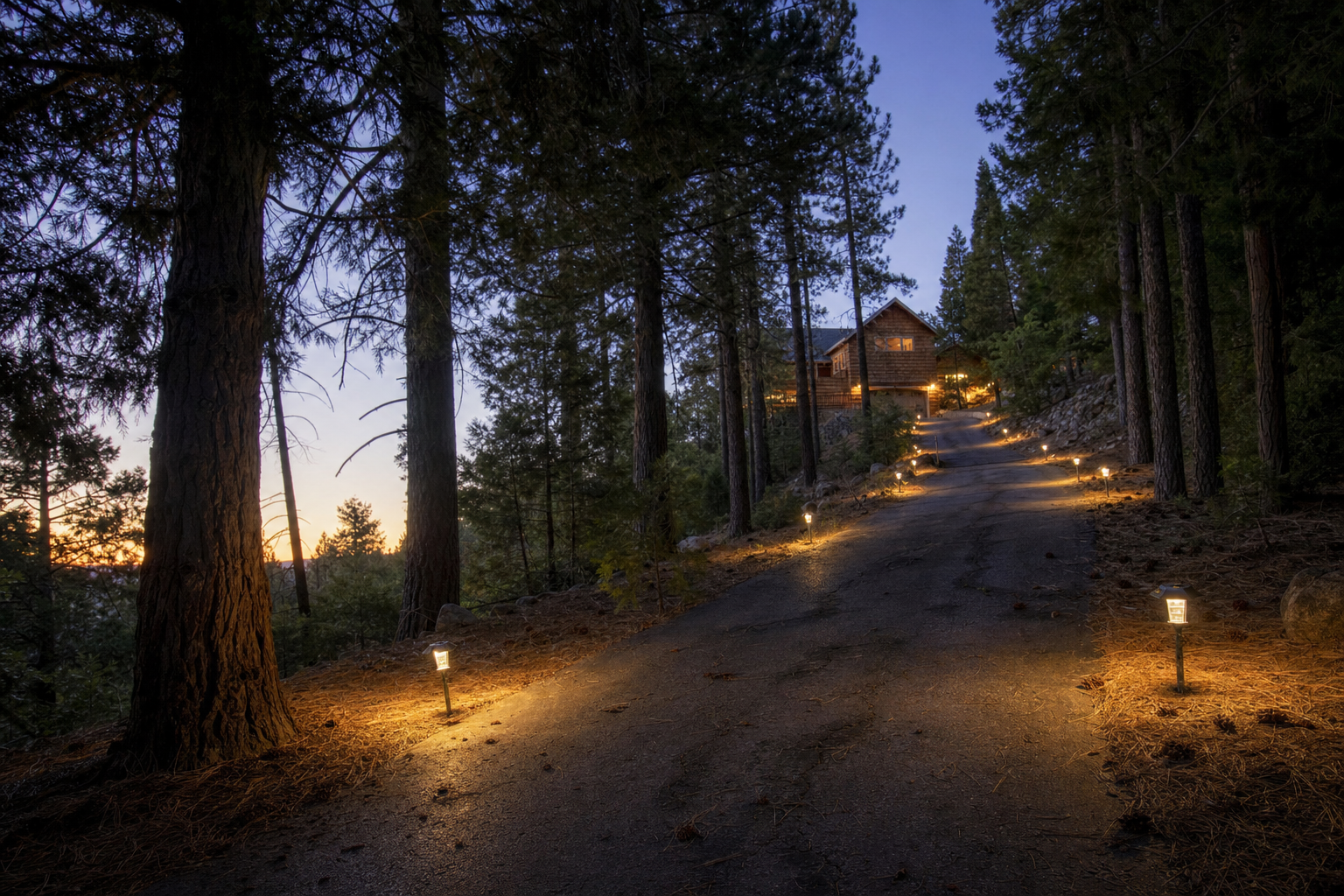
Lake Arrowhead cabin with Christmas tree - holiday electrical safety tips
December 11, 2025
The holidays in Lake Arrowhead are magical. Fresh snow blankets the mountains, twinkling lights illuminate cabin windows, and families gather to celebrate the season. But while you're focused on creating perfect holiday memories, your home's electrical system is working harder than ever—and that extra demand can create serious safety hazards if you're not prepared. Every holiday season, fire departments across the country respond to thousands of preventable electrical fires caused by overloaded circuits, damaged decorations, and improper extension cord use. In mountain communities like Lake Arrowhead, Blue Jay, and Crestline, the combination of older homes, extreme weather conditions, and increased electrical demand creates the perfect storm for electrical problems. This comprehensive guide will help you celebrate safely by identifying potential electrical hazards and implementing simple precautions that protect your family and property throughout the holiday season. The Hidden Electrical Risks of Holiday Decorating Holiday decorating puts unprecedented stress on your home's electrical system. Between indoor Christmas trees with hundreds of lights, outdoor displays covering your roofline, inflatable decorations in the yard, and animated figures throughout your property, you're asking your circuits to handle loads they weren't designed for. Outdoor Lighting Challenges in Mountain Weather Lake Arrowhead's harsh winter weather creates unique challenges for outdoor electrical decorations. Snow, ice, freezing temperatures, and moisture can all compromise the safety of your holiday lighting setup. Temperature Stress on Electrical Components When temperatures drop below freezing—a regular occurrence in Lake Arrowhead winters—electrical components face serious stress: Wire Insulation Becomes Brittle: Cold temperatures make the plastic insulation on light strings and extension cords stiff and prone to cracking. Once insulation cracks, exposed wires create shock and fire hazards. Connection Points Loosen: Temperature fluctuations cause materials to expand and contract. Electrical connections that seem secure in mild weather can work loose during freezing nights, creating dangerous arcing conditions. Increased Moisture Exposure: Snow accumulation and ice buildup can trap moisture against electrical connections. When water freezes and thaws repeatedly, it accelerates corrosion and creates short circuit conditions. Solution: Use only outdoor-rated lights and cords specifically designed for cold weather use. Check manufacturer specifications—many standard outdoor lights are only rated for temperatures down to 32°F, which isn't cold enough for mountain conditions. Look for lights rated for at least -20°F. Indoor Fire Hazards from Holiday Decorations While outdoor decorations face weather challenges, indoor holiday decorations create their own electrical fire risks: Christmas Tree Lighting Overload The traditional centerpiece of holiday decorating—the Christmas tree—is also one of the biggest electrical hazards. Here's why: Excessive Light String Chaining: Most light strings allow you to connect 3-5 strings end-to-end. Homeowners often exceed these limits, creating dangerous overload conditions that can melt wire insulation or ignite the tree. Extension Cord Dependency: Many people run multiple extension cords to reach their tree location. Daisy-chaining extension cords increases resistance, generates heat, and can overload circuits. Dry Tree Fire Risk: Real Christmas trees dry out over time. When combined with hot incandescent lights, they become extremely flammable. Even LED lights generate heat that can ignite tinder-dry needles. Fireplace Mantle Decorations Those beautiful garlands and stockings hung from your fireplace mantle require electrical safety awareness: Hidden Extension Cords: Decorative garlands often conceal extension cords and light strings. When cords are hidden under flammable materials, heat can build up undetected until ignition occurs. Proximity to Heat Sources: Lights and electrical decorations placed too close to fireplaces can overheat from radiant heat, even when not in direct contact with flames. Solution: Use LED lights wherever possible—they generate 90% less heat than incandescent bulbs. Keep decorations at least three feet from heat sources, and never hide extension cords under rugs, furniture, or decorative materials. Understanding Your Home's Electrical Capacity Many Lake Arrowhead homes were built as seasonal vacation cabins with electrical systems designed for minimal use. These older systems often struggle with modern holiday electrical demands. Circuit Load Calculations for Holiday Decorating Before you start decorating, you need to understand how much electrical load your circuits can safely handle. Standard Circuit Capacity: 15-Amp Circuit: Can safely handle 1,440 watts continuously (80% of maximum 1,800 watts) 20-Amp Circuit: Can safely handle 1,920 watts continuously (80% of maximum 2,400 watts) The 80% rule exists because electrical code requires a safety margin. Running circuits at maximum capacity creates heat buildup and premature failure. Calculating Your Decoration Load: Add up the wattage of everything plugged into each circuit: Incandescent light strings: 40-70 watts per 100-light string LED light strings: 4-7 watts per 100-light string Inflatable decorations: 50-200 watts each Animated displays: 100-300 watts Indoor decorations: 10-100 watts per item If you exceed your circuit's safe capacity, you need to redistribute loads or add dedicated circuits. Example Overload Scenario: Let's say you've plugged into a 15-amp outdoor circuit (1,440 watts safe capacity): 5 strings of incandescent lights × 50 watts each = 250 watts 2 large inflatable decorations × 150 watts each = 300 watts 1 animated outdoor display = 200 watts 1 spotlight on your front entrance = 100 watts Total: 850 watts ✅ Safe—you're within capacity But if you add: 3 more light strings = 150 watts Another inflatable = 150 watts New Total: 1,150 watts ✅ Still safe, but getting close One more large inflatable (200 watts) would put you at 1,350 watts—approaching your limit. Add regular outdoor lighting or any other device, and you're overloaded. Signs Your Electrical System Is Overloaded Watch for these warning signs that indicate you're pushing your electrical system beyond safe limits: Frequent Circuit Breaker Trips: If you're constantly resetting breakers when turning on holiday lights, you're overloading circuits. This isn't just inconvenient—it's dangerous. Dimming Lights: When your regular indoor lights dim whenever you plug in outdoor decorations, you're experiencing voltage drop from overloaded circuits. Warm Outlets or Plugs: Any outlet or plug that feels warm to the touch is carrying too much current. This is a fire hazard that requires immediate attention. Burning Smell: Any electrical burning odor from outlets, switches, or decorations means you have a serious problem. Shut off power immediately and call an electrician. Flickering Decorations: If your holiday lights flicker or dim periodically (not part of their intended pattern), you're experiencing power instability that can damage equipment and create fire risks. Extension Cord Safety: The Make-or-Break Factor Extension cords are essential for holiday decorating, but they're also one of the most dangerous elements when used improperly. According to the U.S. Consumer Product Safety Commission, extension cords cause approximately 3,300 residential fires annually, resulting in 50 deaths and hundreds of injuries. Choosing the Right Extension Cords Not all extension cords are created equal. Using the wrong type creates serious fire and shock hazards. Indoor vs. Outdoor Rating: Indoor Cords: Have lighter insulation suitable only for dry, temperature-controlled environments. Using indoor cords outside is extremely dangerous—they're not weatherproof and will fail in mountain conditions. Outdoor Cords: Feature heavier, weather-resistant insulation rated for moisture, UV exposure, and temperature extremes. Look for cords marked "suitable for outdoor use" or with an "W" designation. Wire Gauge Matters: Extension cord wire gauge determines how much current it can safely carry. Lower gauge numbers mean thicker wire and higher capacity: 16-Gauge: Good for light-duty applications up to 13 amps (1,560 watts) 14-Gauge: Medium-duty applications up to 15 amps (1,800 watts) 12-Gauge: Heavy-duty applications up to 20 amps (2,400 watts) For holiday lighting, 14-gauge outdoor-rated cords are typically your best choice. They handle substantial loads while remaining flexible enough for easy installation. Cord Length Impacts Capacity: Longer extension cords have higher resistance, reducing their safe capacity: Cords under 50 feet: Use rated capacity 50-100 foot cords: Reduce capacity by 20% 100+ foot cords: Reduce capacity by 30-40% This is why you see voltage drop and dimming lights when using very long extension cords. Extension Cord Safety Rules Follow these critical safety practices: Never Daisy-Chain Extension Cords: Connecting multiple extension cords creates dangerous resistance buildup and violates electrical code. If one cord won't reach, use a single longer cord instead. Don't Run Cords Under Rugs or Carpets: This creates heat buildup and hides damage. Cords under foot traffic can be damaged without your knowledge, creating fire hazards. Keep Connections Elevated: Don't let extension cord connections sit in snow or standing water. Elevate connections or use weatherproof covers designed for outdoor electrical connections. Inspect Before Each Use: Check every cord for damage before plugging it in. Look for cracked insulation, exposed wires, damaged plugs, or bent prongs. Discard damaged cords—don't try to repair them with electrical tape. Don't Overload Cords: Just because a cord can physically accept multiple plugs doesn't mean it can safely power them all. Calculate total wattage and stay within the cord's rated capacity. Secure Cords Properly: Use cord clips or hooks designed for outdoor use. Don't use staples or nails, which can pierce insulation and create shock hazards. GFCI Protection: Your First Line of Defense Ground Fault Circuit Interrupter (GFCI) protection is essential for outdoor electrical safety, especially in Lake Arrowhead's wet winter conditions. What GFCIs Do and Why They Matter GFCIs detect tiny imbalances in electrical current (as small as 4-6 milliamps) that indicate electricity is leaking to ground—potentially through a person's body. When an imbalance is detected, the GFCI cuts power in 1/40th of a second, preventing electrocution. This protection is critical for outdoor holiday decorating because: Snow and ice create moisture exposure that can cause ground faults Damaged insulation from cold weather creates shock hazards Metal decorations and aluminum ladders create conductive paths to ground Wet hands from snow contact increase shock risk GFCI Requirements for Holiday Decorating California electrical code requires GFCI protection for all outdoor outlets. If your Lake Arrowhead home doesn't have GFCI-protected outdoor outlets, you're not just risking safety—you're violating code. Types of GFCI Protection: GFCI Outlets: Permanently installed at the outlet location, protecting everything plugged into them GFCI Circuit Breakers: Installed at the electrical panel, protecting entire circuits Portable GFCI Adapters: Plug-in devices that add GFCI protection to non-GFCI outlets For holiday decorating, portable GFCI adapters provide affordable protection if your outdoor outlets aren't GFCI protected. They typically cost $15-30 and can prevent electrocution. Testing Your GFCI Protection Before decorating, test all GFCI outlets: Press the "TEST" button on the GFCI outlet or adapter The "RESET" button should pop out and power should shut off Press "RESET" to restore power If the GFCI doesn't trip when tested, it has failed and must be replaced immediately. GFCIs have a lifespan of 10-15 years and should be replaced periodically. LED vs. Incandescent: Making the Safe Choice The shift from incandescent to LED holiday lights isn't just about energy efficiency—it's a significant safety upgrade. Why LEDs Are Safer for Holiday Decorating Dramatically Reduced Fire Risk: Incandescent bulbs convert 90% of energy to heat, only 10% to light LEDs convert 90% of energy to light, only 10% to heat Surface temperature comparison: Incandescent bulbs reach 300-400°F, while LEDs stay under 100°F This temperature difference matters enormously when lights contact Christmas tree needles, dried garlands, fabric decorations, or wooden home exteriors. Lower Electrical Load: LED strings use approximately 10% of the electricity that incandescent strings consume: 100-light incandescent string: 40-70 watts 100-light LED string: 4-7 watts This means you can connect many more LED strings without overloading circuits. Most LED strings allow 40-90 strings to be connected end-to-end (compared to just 3-5 incandescent strings), giving you incredible decorating flexibility without adding circuits. Superior Durability: LEDs are more resistant to: Physical impact (no fragile filaments) Temperature extremes (designed for -20°F to 140°F) Vibration and movement (important for outdoor installations) For Lake Arrowhead's harsh mountain winters, LED durability means fewer failures and safer operation. Making the Transition to LED If you're still using incandescent lights, this year is the perfect time to switch: Cost Considerations: While LED lights cost 2-3 times more upfront than incandescent, they pay for themselves through: 10-15 year lifespan (vs. 1-2 years for incandescent) 90% lower electricity costs Reduced replacement costs Lower fire insurance risk Compatibility Notes: You generally cannot mix LED and incandescent strings on the same run, as they have different electrical characteristics. Plan to replace entire runs rather than mixing technologies. Generator Safety for Holiday Power Outages Lake Arrowhead experiences frequent power outages during winter storms. If you're using a backup generator to keep holiday lights running during outages, safety is paramount. Critical Generator Safety Rules Never Run Generators Indoors: This cannot be overstated. Generators produce deadly carbon monoxide that kills people every year. Never operate generators in: Garages (even with doors open) Basements Crawl spaces Covered patios Any enclosed or partially enclosed space Generators must be positioned at least 20 feet from your home with exhaust directed away from windows and doors. Use Proper Connection Methods: NEVER backfeed your home by plugging a generator into a wall outlet. This creates lethal hazards for utility workers and can destroy your electrical system. Proper generator connection requires either: Manual Transfer Switch: Installed by a licensed electrician, this safely connects your generator to selected home circuits while isolating you from the utility grid. Generator Inlet Box: An outdoor receptacle connected to your transfer switch, providing a safe connection point for your generator. Both solutions require professional installation and permit approval. Protect Against Overload: Don't try to power your entire holiday display plus essential appliances with an undersized generator. Calculate your actual needs and ensure your generator has adequate capacity with 20-30% reserve. Refueling Safety: Always turn the generator off and let it cool before refueling Store gasoline in approved containers away from living spaces Never store generators with fuel in them for extended periods Use fuel stabilizer if storing for more than 30 days Inspection and Maintenance: Before You Decorate The single most important safety step happens before you hang a single light: thorough inspection of all electrical decorations and equipment. Pre-Season Decoration Inspection Checklist Light Strings: Inspect every foot of every light string for damaged insulation Check for cracked or broken bulb sockets Look for darkened or burned bulbs (indicating overheating) Test each string before installation Discard any string with visible damage—they're not worth the fire risk Extension Cords: Examine insulation for cracks, cuts, or wear Check plugs for loose prongs, cracks, or burn marks Verify proper grounding (three-prong plugs for outdoor use) Test cord flexibility—brittle cords should be replaced Ensure weather-resistant covers are intact Electrical Decorations: Inspect inflatable decorations for damaged wiring or motors Check animated displays for proper function Verify all components are rated for outdoor use if installing outside Replace any items with frayed cords or exposed wiring Outlets and Connections: Test all GFCI outlets using the test button Check outdoor outlet covers for damage or deterioration Ensure weatherproof covers close properly around plugs Verify outlets are firmly mounted and not loose Professional Electrical Inspection If your Lake Arrowhead home is more than 20 years old, consider scheduling a professional electrical inspection before the holiday season. An electrician can identify: Undersized electrical panels that can't handle holiday loads Inadequate circuit capacity for modern decorating Missing or failed GFCI protection on outdoor circuits Deteriorating wiring that creates fire hazards Code violations from previous DIY work The cost of an inspection (typically $200-400) is far less than dealing with electrical fires or injury. Smart Timers and Automation for Safety and Efficiency Modern smart timers offer significant safety and convenience advantages for holiday lighting. Benefits of Automated Lighting Control Automatic Shutoff: The most common cause of holiday electrical fires is leaving decorations powered overnight or while away from home. Smart timers eliminate this risk by automatically shutting off power on a schedule you set. Energy Savings: Even LED lights waste electricity when burning unnecessarily. Timers ensure lights only operate during viewing hours, reducing electrical costs. Extended Decoration Lifespan: Limiting operating hours extends the life of light strings and electrical decorations, saving replacement costs over time. Choosing the Right Timer Outdoor-Rated Timers: For exterior decorations, use timers specifically rated for outdoor use with weatherproof construction. Indoor timers will fail in mountain weather. Adequate Capacity: Timers have maximum load ratings (typically 1,800 watts for 15-amp models). Calculate your total decoration wattage and choose a timer with adequate capacity plus 20% safety margin. Smart Features Worth Having: Astronomical timers that adjust on/off times based on sunset/sunrise Multiple on/off periods per day for flexible scheduling Battery backup to maintain programming during power outages Ground fault protection built into the timer Manual override for special occasions Installation Best Practices Protect Timer Connections: Even outdoor-rated timers benefit from weatherproof outlet covers that accommodate the timer while in use. This prevents moisture infiltration that can cause failures or ground faults. Use Dedicated Circuits: For large displays, plug timers directly into dedicated outdoor circuits rather than sharing with other loads. This prevents overloading and ensures reliable operation. When to Call Lake Arrowhead Electrical Professionals Some holiday electrical needs require professional expertise rather than DIY approaches. Situations Requiring Professional Help Adding Dedicated Circuits: If your existing outlets can't safely handle your holiday display, a licensed electrician can install dedicated 20-amp circuits for decorating. This investment provides safe capacity for years of future holidays. Outlet Installation or Relocation: Need outlets in better locations for decorating? Professional installation ensures code compliance, proper weatherproofing, and GFCI protection. Service Panel Upgrades: Older Lake Arrowhead cabins often have 60-100 amp service panels that can't support modern electrical demands. Upgrading to 200-amp service accommodates holiday decorating plus everyday needs. Permanent Exterior Lighting: Consider permanent architectural lighting that eliminates the annual hassle of temporary decoration installation. Professional electricians can install low-voltage LED systems that provide year-round illumination and holiday lighting capability. Emergency Repairs: Any burning smells, sparking outlets, frequent breaker trips, or visible damage requires immediate professional attention. Don't attempt DIY repairs on these serious safety issues. The Value of Professional Installation Professional electrical work provides: Code Compliance: Ensuring all work meets California electrical codes Permit Acquisition: Handling required permits and inspections Proper Sizing: Correctly calculating loads and selecting appropriate components Safety Assurance: Using proper techniques and materials for mountain conditions Warranty Protection: Guaranteeing work against defects While DIY holiday decorating is fine for most homeowners, electrical system modifications should always be handled by licensed professionals. Carbon Monoxide Safety During the Holidays The holiday season brings increased carbon monoxide risks from multiple sources. In Lake Arrowhead's cold weather, these risks intensify as homes are sealed tight against the cold. Carbon Monoxide Sources to Monitor Backup Generators: Running generators during power outages creates the primary holiday CO risk. Always maintain proper distance and ventilation. Fireplaces and Wood Stoves: Increased use during holiday gatherings can create CO buildup if chimneys are blocked or ventilation is inadequate. Space Heaters: Gas or propane space heaters produce CO and require proper ventilation. Vehicle Idling: Running cars in attached garages (even with doors open) to warm them creates dangerous CO levels that can infiltrate living spaces. Holiday Cooking: Extended oven use for holiday meals, especially gas ovens, can elevate indoor CO levels. Carbon Monoxide Detector Requirements California law requires CO detectors in all homes with: Fuel-burning appliances Fireplaces or wood stoves Attached garages For Lake Arrowhead homes, this means virtually every property needs CO detectors. Proper Detector Placement: One detector on every level of the home One detector within 15 feet of each sleeping area Never place detectors near vents, fans, or windows where air currents can affect readings Replace batteries before the holiday season Replace detectors every 5-7 years per manufacturer recommendations Warning Signs of CO Poisoning: Headaches Dizziness Nausea Confusion Flu-like symptoms without fever If your CO detector sounds or multiple people feel sick simultaneously, evacuate immediately and call 911 from outside. Holiday Fire Safety Beyond Electrical While electrical safety is our focus, comprehensive holiday safety includes additional fire prevention measures. Christmas Tree Fire Prevention Fresh Tree Selection: Choose fresh-cut trees with flexible needles that don't fall off easily Cut 1-2 inches off the base before placing in water Keep the tree stand filled with water daily—trees can drink a gallon per day Check water level twice daily during the first week Tree Placement: Position trees at least 3 feet from heat sources (fireplaces, radiators, space heaters) Keep away from high-traffic areas where they might be knocked over Ensure stable, tip-resistant stands Don't block exits with tree placement Safe Disposal: Remove trees promptly after the holidays—dried trees are extremely flammable Never burn Christmas trees in fireplaces (they create dangerous flare-ups and creosote buildup) Utilize Lake Arrowhead's tree recycling programs Candle Safety Candles create beautiful holiday ambiance but cause approximately 10,000 house fires annually. Safe Candle Practices: Use battery-operated LED candles for unattended displays Keep candles on stable, heat-resistant surfaces Position candles away from decorations, curtains, and other flammables Never leave burning candles unattended Extinguish all candles before leaving home or going to bed Keep candles out of reach of children and pets Fireplace Safety Proper Maintenance: Have chimneys professionally cleaned before the holiday season Ensure dampers operate properly Use fireplace screens to contain sparks Burn only seasoned hardwood—never evergreen boughs, wrapping paper, or boxes Dispose of ashes in metal containers kept outside Creating an Emergency Preparedness Plan Mountain winters can create emergency situations. Having a plan ensures your family stays safe if problems occur. Power Outage Preparedness Essential Supplies: Flashlights (one per person) with fresh batteries Battery-powered or hand-crank radio for weather updates Charged phone power banks Non-electric heat sources (sleeping bags, blankets) Bottled water (1 gallon per person per day) Non-perishable food requiring no cooking First aid kit Medications Electrical Safety During Outages: Turn off major appliances to prevent surge damage when power returns Leave one light switched on so you know when power is restored Unplug sensitive electronics to protect against power surge damage Don't open refrigerators/freezers unnecessarily (they'll stay cold 4-24 hours if unopened) Fire Evacuation Planning Family Emergency Plan: Establish two exit routes from every room Designate an outside meeting location Practice evacuation twice yearly Ensure everyone knows how to call 911 Keep emergency numbers posted Account for pets in evacuation plans Special Mountain Considerations: Winter weather may block some exits—have alternatives Snow and ice make evacuation more difficult—plan accordingly Emergency response times are longer in mountain communities—evacuate early rather than waiting Identify safe routes even if primary roads are blocked Lake Arrowhead's Unique Holiday Electrical Challenges Our mountain community faces specific electrical challenges that homeowners should understand. Aging Infrastructure Many Lake Arrowhead homes are 40+ years old with electrical systems that haven't been updated. This creates several holiday challenges: Inadequate Panel Capacity: Older 60-100 amp panels can't handle modern holiday displays plus everyday electrical loads. Consider panel upgrades before the holidays if you're regularly tripping breakers. Missing Ground Fault Protection: Homes built before GFCI requirements may have outdoor outlets without proper protection. This creates serious shock hazards with holiday decorating in winter weather. Outdated Wiring: Some older Lake Arrowhead homes still have aluminum wiring or outdated insulation types that create fire risks when heavily loaded. Weather-Related Power Issues Lake Arrowhead's winter weather creates unique electrical challenges: Frequent Storm Outages: Heavy snow and ice regularly knock out power. Plan for outages with backup lighting, heating, and food storage solutions. Voltage Fluctuations: During storms and high-demand periods, voltage can fluctuate significantly. Use surge protectors for sensitive electronics and decorations. Tree Contact with Lines: Snow-loaded trees regularly contact power lines, creating outages and dangerous conditions. If you see tree branches on power lines, call Southern California Edison immediately—never attempt to remove them yourself. Frozen Water Issues Water line freezing creates electrical complications: Well Pump Considerations: Many Lake Arrowhead homes have well water. During outages, no power means no water. Factor this into emergency planning. Heat Tape Requirements: Electrical heat tape prevents pipe freezing but adds substantial electrical load. Ensure circuits can handle heat tape plus holiday decorations. Sump Pump Needs: Homes with sump pumps need backup power during outages to prevent flooding. Consider battery backup systems. Sustainable Holiday Decorating Environmental consciousness aligns with electrical safety and efficiency. Energy-Efficient Decoration Choices LED Supremacy: LEDs aren't just safer—they're vastly more efficient: 90% less electricity consumption than incandescent Last 10-15 years vs. 1-2 years Operate safely in extreme cold Recyclable at end of life Solar-Powered Options: Solar holiday lights eliminate electrical consumption entirely: No extension cords required Zero electricity costs No circuit loading concerns Easy installation anywhere with sun exposure Lake Arrowhead's winter sun exposure may limit solar light effectiveness, but they work well in many applications. Reducing Holiday Electrical Waste Multi-Year Decoration Planning: Invest in quality decorations designed to last rather than disposable seasonal items: Professional-grade light strings withstand years of use Commercial outdoor decorations survive mountain weather Proper storage extends lifespan significantly Decoration Storage Best Practices: Proper storage prevents damage and extends decoration lifespan: Store lights on reels or in original packaging Keep decorations in climate-controlled spaces to prevent deterioration Label boxes clearly for easy setup next year Store extension cords flat, not coiled, to prevent damage Use moisture-proof containers to prevent corrosion Conclusion: Safe, Beautiful Holidays in Lake Arrowhead The holidays are a time for celebration, family, and creating memories in our beautiful mountain community. By following these electrical safety guidelines, you can enjoy stunning holiday displays while protecting your family and property. Remember these key takeaways: ✅ Use only outdoor-rated equipment for exterior decorating ✅ Calculate electrical loads to avoid overloading circuits ✅ Choose LED lights for safety and efficiency ✅ Ensure GFCI protection for all outdoor connections ✅ Inspect all decorations before each use ✅ Use proper extension cords rated for mountain conditions ✅ Never daisy-chain cords or exceed manufacturer connection limits ✅ Install carbon monoxide detectors and test them before the holidays ✅ Use timers to automate lighting and prevent electrical waste ✅ Have emergency plans ready for power outages The extra effort you invest in electrical safety pays dividends in peace of mind, lower utility bills, and protection of your most valuable assets—your family and home. This holiday season, let Lake Arrowhead Electrical help ensure your celebrations are both spectacular and safe. Professional Holiday Electrical Services If you need professional assistance with your holiday electrical setup, Lake Arrowhead Electrical provides: Dedicated circuit installation for holiday displays GFCI outlet installation and testing Electrical capacity assessments for decorating plans Generator installation for reliable backup power Permanent architectural lighting installation Emergency electrical repairs available 24/7 Pre-holiday safety inspections Call (909) 403-4740 today to schedule your holiday electrical consultation. Proudly serving Lake Arrowhead, Blue Jay, Crestline, Running Springs, Twin Peaks, Cedar Glen, and all San Bernardino Mountain communities. Frequently Asked Questions Q: How many light strings can I safely connect together? A: This depends on the light type: LED strings: Typically 40-90 strings (check manufacturer specs) Incandescent strings: Only 3-5 strings maximum Always check the specific manufacturer recommendations printed on each light string tag. Q: Can I use indoor extension cords for outdoor decorations? A: Absolutely not. Indoor cords lack weatherproofing and will fail in outdoor conditions, creating shock and fire hazards. Always use cords rated for outdoor use. Q: My outdoor GFCI outlet keeps tripping. What should I do? A: This indicates either: Moisture infiltration in connections Damaged decoration or cord creating ground faults Overloaded circuit Failed GFCI outlet First, unplug everything and dry all connections thoroughly. If the GFCI still trips with nothing plugged in, call an electrician. Q: How do I know if my electrical panel can handle my holiday decorations? A: Add up the wattage of all your decorations and divide by 120 to get amperage. Compare this to your available circuit capacity. If you're unsure, a professional electrical load calculation is recommended. Q: Should I unplug decorations when I'm not home? A: Yes. The safest practice is to turn off decorations when you're away or sleeping. Smart timers automate this for convenience and safety. Q: Can I leave my Christmas tree lights on all night? A: It's safer not to. Even LED lights can fail and create fire hazards. Use timers to turn off lights at bedtime. Q: What's the best way to power decorations far from outlets? A: Use a single, properly-rated extension cord rather than multiple cords daisy-chained together. If the distance is extreme, consider having an electrician install additional outlets. Q: Do I really need to replace decorations that look fine but are old? A: Yes. Light strings and electrical decorations have hidden deterioration that isn't always visible. Replace decorations more than 5-10 years old, especially incandescent types. Q: Can I use my generator to power holiday decorations during outages? A: Yes, but prioritize essential systems (heating, refrigeration) over decorative lighting during emergencies. Make sure your generator has adequate capacity for all connected loads. Q: What should I do if my circuit breaker trips repeatedly? A: Stop using that circuit immediately. Repeated tripping indicates overload or a fault condition. Redistribute loads to other circuits or call an electrician to evaluate the problem and potentially add capacity. Have a safe and wonderful holiday season from all of us at Lake Arrowhead Electrical! This guide is provided for educational purposes and does not replace professional electrical advice. Always consult licensed electricians for specific electrical work and system modifications.
November 26, 2025
Thanksgiving in Lake Arrowhead is magical. Picture-perfect snow might dust the pines, family gathers around the fireplace, and the smell of roasting turkey fills your mountain cabin. But while you're focused on perfecting your grandmother's stuffing recipe, your home's electrical system is working overtime—and that can spell trouble if you're not prepared. Every Thanksgiving, emergency electricians across the country respond to preventable electrical fires, power outages, and safety hazards. In mountain communities like Lake Arrowhead, Blue Jay, Crestline, and Running Springs, the combination of older homes, high power demands, and winter weather creates the perfect storm for electrical problems. Let's make sure your holiday stays safe and your lights stay on. Why Thanksgiving Is Peak Season for Electrical Problems Thanksgiving puts more demand on your home's electrical system than almost any other day of the year. Here's what your circuits are dealing with: Kitchen Appliance Overload: Your oven, stovetop, microwave, coffee maker, slow cooker, electric mixer, and possibly an extra refrigerator or freezer are all running simultaneously. Most kitchen circuits are designed for normal daily use—not holiday cooking marathons. Temperature Control Challenges: Lake Arrowhead temperatures can dip below freezing on Thanksgiving. Your heating system, space heaters, and electric blankets add significant load while you're already maxing out kitchen circuits. Extra Guests, Extra Devices: More people means more phone chargers, laptops, hair dryers, curling irons, and other personal devices plugged in throughout your home. Holiday Lighting: If you've already started decorating for the season, outdoor lights and indoor displays add even more electrical demand. The result? Overloaded circuits, tripped breakers, blown fuses, or worse—electrical fires that can destroy your holiday and your home. The Turkey Fryer Danger Zone Turkey fryers have become increasingly popular, but they come with serious electrical considerations if you're using an electric model. Electric turkey fryers draw enormous amounts of power—typically 1,500 to 1,800 watts. That's equivalent to running a space heater while cooking your holiday meal. Many Lake Arrowhead homes, especially older cabins, have 15-amp kitchen circuits that can't safely handle a turkey fryer plus your other cooking appliances. Never plug a turkey fryer into an extension cord. This creates a fire hazard and can damage the appliance. If you must use an electric turkey fryer, plug it directly into a dedicated 20-amp circuit, preferably outdoors on a GFCI-protected outlet. Better yet? Stick with a propane turkey fryer used outside, away from your deck and any flammable materials. They're faster, more flavorful, and won't compete with your kitchen appliances for power. Kitchen Circuit Safety for Holiday Cooking Your Thanksgiving cooking setup requires strategic planning to avoid overloading circuits and tripping breakers at the worst possible moment—like when your turkey is halfway cooked. Spread the Load Across Multiple Circuits: Don't plug your slow cooker, electric roaster, coffee maker, and microwave into outlets on the same circuit. Most kitchens have at least two 20-amp circuits. Identify which outlets are on which circuit by testing with a circuit finder or by process of elimination with your breaker panel. Know Your High-Draw Appliances: Your oven and range typically run on a dedicated 240-volt circuit and won't interfere with countertop appliances. But your microwave (1,000-1,500 watts), coffee maker (800-1,200 watts), and toaster (800-1,500 watts) can max out a 20-amp circuit when running together. Use Appliances in Shifts: Can't avoid overloading? Stagger your cooking. Run the coffee maker before guests arrive, then unplug it before starting the microwave. Reheat dishes one at a time rather than simultaneously. Watch for Warning Signs: If lights dim when you turn on an appliance, outlets feel warm to the touch, or you smell burning plastic, you're overloading the circuit. Redistribute your appliances immediately. Mountain homes in Lake Arrowhead often have older electrical panels that weren't designed for modern cooking demands. If you're constantly resetting breakers during meal prep, it might be time for an electrical panel upgrade—something to consider for next year's holidays. Space Heater Safety in Mountain Homes Thanksgiving in Lake Arrowhead means chilly mornings and the temptation to warm up every room for arriving guests. Space heaters are convenient, but they're also one of the leading causes of electrical fires in mountain communities. One Space Heater Per Circuit: Space heaters typically draw 1,500 watts—the maximum safe load for a standard 15-amp circuit. Never plug a space heater into a power strip, extension cord, or outlet that's already serving other devices. Avoid Daisy-Chaining: We see this constantly in older Lake Arrowhead cabins: multiple space heaters plugged into power strips or extension cords to reach distant rooms. This is extremely dangerous and causes house fires every winter. Keep Heaters Away from Flammables: Space heaters should be at least three feet away from curtains, furniture, bedding, and holiday decorations. In smaller cabins where space is limited, consider investing in wall-mounted electric heating instead. Turn Off When Leaving: Never leave space heaters running unattended, especially in guest rooms or when cooking in another area of your home. Modern space heaters have tip-over and overheat protection, but older models often don't. If you're relying heavily on space heaters to keep your Lake Arrowhead home comfortable, your HVAC system might be inadequate or your insulation might need upgrading. A licensed electrician can also assess whether your home's wiring can safely support your heating needs. Generator Safety for Holiday Power Outages Thanksgiving storms can knock out power in Lake Arrowhead without warning. Heavy wet snow, ice accumulation, and fallen trees regularly disrupt electrical service in mountain communities. If you're using a portable generator to keep your Thanksgiving dinner on track, follow these critical safety rules: Never Run Generators Indoors: This includes garages, basements, or covered patios. Generators produce deadly carbon monoxide that can kill your family in minutes. Always operate generators outdoors, at least 20 feet from your home. Use a Transfer Switch: Never backfeed your home by plugging a generator into a wall outlet. This creates a lethal hazard for utility workers and can destroy your electrical system. A licensed electrician can install a transfer switch that safely connects your generator to your home's circuits. Don't Overload Your Generator: Prioritize essential appliances. Running your refrigerator and a few lights? That's manageable. Trying to power your oven, microwave, coffee maker, and heating system simultaneously? You'll overload the generator and potentially damage sensitive electronics. Keep It Dry: Mountain weather means snow and rain. Protect your generator with a canopy, but ensure adequate ventilation. Moisture and electricity are a dangerous combination. For homeowners who want reliable backup power without the hassle, a whole-home backup generator installation provides automatic power during outages. These permanently installed systems are properly connected to your home's electrical panel and kick on within seconds of losing grid power—keeping your Thanksgiving feast cooking without interruption. Holiday Lighting Without Overloading Circuits Maybe you've already hung outdoor lights to welcome Thanksgiving guests, or you're planning to transition straight into Christmas decorating this weekend. Either way, holiday lighting requires electrical awareness. Check Your Light Strings: Before hanging any lights, inspect each string for frayed wires, broken bulbs, or damaged plugs. Throw away any damaged sets—they're fire hazards. Calculate Your Load: LED lights draw far less power than incandescent bulbs. You can typically connect 25-45 strings of LEDs on a single circuit, but only 3-6 strings of traditional lights. Check the manufacturer's recommendations on the packaging. Use Outdoor-Rated Equipment: Lake Arrowhead weather is harsh. Only use lights and extension cords rated for outdoor use. Indoor lights will fail quickly and can create shock hazards when exposed to snow and moisture. GFCI Protection Is Essential: All outdoor outlets should have GFCI protection to prevent electrical shock. If your outdoor outlets don't have GFCI protection, hire a Lake Arrowhead electrician to install them before hanging extensive light displays. Don't Overload Outlets: Just because an outlet has space for multiple plugs doesn't mean the circuit can handle the load. Use a power meter to monitor your draw, or better yet, spread lights across multiple circuits. Extension Cord Safety for Holiday Hosting Extension cords are a Thanksgiving necessity when you need to power extra appliances, reach distant outlets, or accommodate guests. But improper use creates serious fire risks. Choose the Right Gauge: Heavier appliances require heavier gauge cords. A 16-gauge cord is fine for lamps and phone chargers, but cooking appliances need 12-gauge or 10-gauge cords. Using an undersized cord causes overheating and potential fires. Keep Cords Visible: Never run extension cords under rugs, through doorways, or behind furniture where they can become pinched or damaged. The insulation can wear through, creating shock and fire hazards. Inspect Before Using: Check extension cords for frayed insulation, exposed wires, or damaged plugs. Damaged cords should be thrown away, not repaired with electrical tape. Don't Chain Extension Cords: Connecting multiple extension cords together (daisy-chaining) increases resistance and fire risk. If you can't reach an outlet with a single cord, you need a longer cord or an additional outlet installed. Temporary Use Only: Extension cords are designed for temporary use, not permanent solutions. If you're constantly using extension cords in certain areas, consider having an electrician install additional outlets. Many older Lake Arrowhead cabins don't have enough conveniently located outlets for modern needs. Adding circuits and outlets is a relatively simple upgrade that improves safety and convenience year-round. Outdoor Electrical Safety in Mountain Weather Thanksgiving weather in Lake Arrowhead can be unpredictable. Freezing temperatures, snow, and moisture create unique electrical hazards. Check Your Heat Tape: If your home uses heat tape to prevent frozen pipes, verify it's working properly before Thanksgiving. Damaged heat tape can cause fires or fail when you need it most. Protect Outdoor Outlets: Any outdoor outlets should have weatherproof covers—not just the kind that cover an empty outlet, but "in-use" covers that protect plugs from rain and snow while they're connected. Inspect Your Electrical Service: Heavy snow and ice can accumulate on your electrical service line where it connects to your home. Excessive weight can damage the connection point. If you notice sagging lines, contact your utility company. Clear Decorations from Vents: When hanging outdoor decorations, keep them away from exhaust vents, dryer vents, and HVAC equipment. Blocked vents can cause carbon monoxide buildup or equipment failure. Signs You Need an Emergency Electrician on Thanksgiving Some electrical problems can wait until after the holiday. Others require immediate attention. Call an emergency electrician if you experience: Burning Smell: Any burning odor coming from outlets, switches, or your electrical panel indicates a serious problem. Shut off power at the breaker and call for help immediately. Sparking Outlets: Visible sparks when plugging in appliances or switches that spark when turned on are fire hazards requiring immediate repair. Hot Outlets or Switches: Outlets and switches should never feel hot to the touch. Warmth indicates dangerous overloading or faulty wiring. Frequent Breaker Trips: If you're constantly resetting the same breaker, you have an overloaded circuit or a more serious underlying problem. Flickering Lights Throughout the House: A single flickering light might be a bad bulb. Multiple flickering lights suggest a problem with your main electrical service. Smoke from Outlets or Panel: Any visible smoke requires immediate action. Shut off your main breaker if safe to do so, evacuate your home, and call 911 and an emergency electrician. Don't risk your family's safety trying to "make it through" Thanksgiving with electrical problems. Emergency electricians in Lake Arrowhead understand that holiday electrical issues can't always wait until Monday. Carbon Monoxide Safety for Mountain Homes Carbon monoxide poisoning sends thousands of people to emergency rooms every year, with winter holidays being particularly high-risk times. Install Carbon Monoxide Detectors: California law requires carbon monoxide detectors in all homes with fuel-burning appliances or attached garages. Place detectors on every level of your home and outside sleeping areas. Test Your Detectors: Replace batteries before Thanksgiving and test all detectors. Replace any units older than 7-10 years. Recognize the Symptoms: Carbon monoxide poisoning symptoms mimic the flu: headache, dizziness, nausea, and confusion. If multiple people feel sick simultaneously while indoors, evacuate immediately and call 911. Ventilate Properly: Never use your oven or stovetop to heat your home. Ensure your fireplace flue is open when burning fires. Keep vents clear of snow. Preparing Your Lake Arrowhead Home for Future Holidays This Thanksgiving is a great opportunity to identify electrical improvements that will make future holidays safer and more convenient. Schedule an Electrical Safety Inspection: A professional electrician can identify overloaded circuits, outdated wiring, and safety hazards before they cause problems during next year's holidays. Consider a Panel Upgrade: If you're constantly managing circuits and shutting things off to run other appliances, you've outgrown your electrical panel. Upgrading from 100-amp to 200-amp service provides the capacity modern homes need. Add Dedicated Circuits: Installing dedicated 20-amp circuits for kitchen appliances eliminates the juggling act of Thanksgiving cooking. Install Whole-Home Surge Protection: Mountain storms can cause power surges that damage electronics and appliances. Whole-home surge protection installed at your electrical panel safeguards your entire home. Upgrade to GFCI and AFCI Protection: Modern electrical codes require GFCI protection in kitchens, bathrooms, and outdoor areas, plus AFCI protection in living spaces. These safety devices prevent shocks and fires. A Safe Thanksgiving in the Mountains Your Lake Arrowhead home is the perfect setting for creating holiday memories with family and friends. Don't let electrical problems disrupt your celebration or, worse, create dangerous situations. By understanding your home's electrical limitations, distributing loads appropriately, and following basic safety practices, you can cook your feast, stay warm, and enjoy your holiday without worry. And if you do run into electrical problems this Thanksgiving, remember that emergency electrical services are available even on holidays. Don't hesitate to call for help if something doesn't seem right. Need a Lake Arrowhead Electrician This Holiday Season? Lake Arrowhead Electrical provides emergency electrical repairs, safety inspections, and system upgrades throughout the San Bernardino Mountains. We understand mountain homes, we know local codes, and we're here when you need us—even on holidays. Call (909) 403-4740 for emergency service or to schedule a post-holiday electrical safety inspection. Proudly serving Lake Arrowhead, Blue Jay, Crestline, Running Springs, Twin Peaks, and all surrounding mountain communities. Happy Thanksgiving from all of us at Lake Arrowhead Electrical. Stay safe, stay warm, and enjoy time with the people you love.
November 12, 2025
If you're buying, selling, or renovating a home in Lake Arrowhead, Blue Jay, Crestline, or Running Springs, there's one critical detail that can derail your plans: smoke detector compliance. California has some of the strictest smoke alarm laws in the nation, and mountain homes built before 2014 almost certainly need updates to meet current code. The good news? Understanding what's required doesn't have to be complicated. This guide breaks down exactly what Lake Arrowhead homeowners need to know about smoke detector regulations—and how to bring your property into compliance without the headaches. Why California's Smoke Detector Laws Are Strict (And Why That Matters Here) California's smoke detector requirements exist for good reason. The state has experienced devastating wildfires, and early detection saves lives. In mountain communities like Lake Arrowhead, where response times can be longer and homes are often surrounded by forest, working smoke alarms are even more critical. Here's what makes Lake Arrowhead unique: Wildfire Risk: Mountain homes face elevated fire danger, making early detection essential Older Housing Stock: Many Lake Arrowhead cabins were built in the 1970s-1980s with outdated safety systems Real Estate Transactions: Smoke detector compliance is required for home sales and often checked during escrow Rental Properties: Short-term vacation rentals face additional inspection requirements Bottom line: If your smoke detectors aren't up to code, it's not just a safety issue—it can delay a home sale, complicate refinancing, or result in violations during rental inspections. Current California Smoke Detector Code Requirements (2024-2025) California law requires specific types and placements of smoke alarms, and the rules have evolved significantly over the years. Here's what current code requires: For Homes Built After January 1, 2014: Hardwired smoke alarms with battery backup in every bedroom Hardwired smoke alarms in hallways outside sleeping areas Hardwired smoke alarms on every level of the home, including basements All smoke alarms must be interconnected (when one sounds, they all sound) Alarms must be photoelectric or dual-sensor (ionization/photoelectric combination) For Homes Built Before January 1, 2014: You have more flexibility, but you still need: Working smoke alarms in every bedroom Working smoke alarms in hallways outside sleeping areas Working smoke alarms on every level Alarms can be battery-powered or hardwired If any hardwired alarms exist, they must have battery backup Alarms must be replaced if they're more than 10 years old Special Requirements for Real Estate Transactions: When selling a home in California, you must provide written documentation that: All required smoke alarms are present and operational Alarms meet current manufacturing standards (check the manufacturing date on the back) Water heater strapping and carbon monoxide detectors are also compliant Many real estate agents require a licensed electrician to provide this documentation to satisfy buyers and lenders. Common Smoke Detector Problems in Lake Arrowhead Homes After years of working in mountain properties, we see the same compliance issues repeatedly: 1. Missing Bedroom Smoke Detectors Older cabins often only have one or two smoke alarms, typically in hallways or living areas. Every bedroom must have its own detector—no exceptions. 2. Expired Smoke Alarms Smoke detectors have a 10-year lifespan. The manufacturing date is printed on the back of the unit. If it's older than 10 years, it needs replacement—even if it "still works." 3. Battery-Only Systems in Hardwired Homes If your home was built with hardwired smoke alarms, you can't simply replace them with battery units. Once a home has hardwired alarms, code requires maintaining that system. 4. Non-Interconnected Alarms Newer code requires interconnected alarms so that when one detects smoke, all alarms throughout the house sound simultaneously. This is especially critical in larger multi-level mountain homes where someone sleeping upstairs might not hear an alarm in the basement. 5. Wrong Sensor Type Ionization-only smoke alarms (older technology) aren't recommended anymore. Photoelectric or dual-sensor alarms detect smoldering fires faster, which is the most common type of residential fire. 6. Improper Placement Smoke alarms should be installed: On the ceiling or high on a wall (within 12 inches of the ceiling) At least 10 feet from cooking appliances At least 3 feet from HVAC vents In the center of rooms when possible Placement matters because smoke rises and spreads. Poor placement can delay detection by precious seconds or minutes. Do You Need Hardwired or Battery-Powered Smoke Detectors? This is the most common question Lake Arrowhead homeowners ask. The answer depends on when your home was built and what's currently installed: Choose Hardwired Smoke Alarms If: Your home was built after 2014 Your home currently has hardwired alarms You're doing electrical work that requires permits You want the most reliable, low-maintenance option Battery-Powered Alarms May Work If: Your home was built before 2014 You currently have all battery-powered alarms You're not doing other electrical work You use 10-year sealed lithium battery models Our Recommendation: Even if battery alarms are technically allowed in your home, hardwired interconnected systems offer superior safety. When one alarm detects smoke anywhere in your home, every alarm sounds simultaneously. In a two-story cabin, this can provide critical extra seconds for escape. Carbon Monoxide Detector Requirements (Don't Overlook These) While we're discussing code compliance, California also requires carbon monoxide (CO) detectors in homes with: Fuel-burning appliances (gas furnaces, water heaters, fireplaces) Attached garages Fireplaces or wood stoves Lake Arrowhead homes almost always have one or more of these features. CO detector requirements include: One detector within 15 feet of each sleeping area Detectors can be hardwired, plug-in, or battery-powered Combined smoke/CO detectors satisfy both requirements Carbon monoxide is colorless, odorless, and deadly. In mountain homes with gas heating, fireplaces, and generators, CO detectors are non-negotiable. How Much Does Smoke Detector Installation Cost in Lake Arrowhead? Costs vary based on your home's size and current setup, but here are general ranges: Battery-Powered Replacement: DIY materials: $20-40 per detector Professional installation: $75-150 per detector (includes labor) Hardwired Installation: Single detector add: $150-300 (includes running new wiring) Full home upgrade (4-6 detectors): $800-1,500 Large homes (8+ detectors): $1,500-3,000 Interconnected Wireless System: Equipment: $50-80 per detector Installation: $100-200 per detector For real estate transactions, many electricians offer flat-rate compliance packages that include inspection, documentation, and any necessary upgrades. Pro tip: If you're already doing electrical work—like a panel upgrade or circuit additions—adding smoke detector updates is far more cost-effective since the electrician is already on site. DIY vs. Hiring a Lake Arrowhead Electrician Battery-powered smoke detector replacement is straightforward DIY work. You can handle it if you're comfortable on a ladder and following manufacturer instructions. However, you should hire a licensed electrician if: You need hardwired smoke detectors installed Your home sale requires written compliance certification You're unsure about proper placement or code requirements You're updating multiple detectors throughout the home Your home has an interconnected system that needs expansion You want to add CO detectors or combination smoke/CO alarms Licensed electricians understand California electrical code, San Bernardino County requirements, and proper installation techniques. They can also identify other electrical issues during the inspection that might affect your home sale or rental certification. Real Estate Transactions: What Buyers and Sellers Need to Know If you're buying or selling a Lake Arrowhead property, smoke detector compliance will come up during the transaction. Here's what to expect: For Sellers: Complete the "Smoke Detector Statement of Compliance" form Verify all detectors are present, working, and meet code Replace any expired alarms (check manufacturing dates) Consider a pre-listing electrical safety inspection to avoid last-minute surprises Provide documentation to satisfy buyer contingencies For Buyers: Home inspectors will check smoke detector compliance Request the seller's compliance statement and verification Consider asking for an electrician's certification if the home is older Budget for potential upgrades if detectors are missing or expired Check for carbon monoxide detectors as well Many Lake Arrowhead real estate transactions stall because smoke detectors aren't addressed proactively. Smart sellers handle this before listing to avoid delays during escrow. Smoke Detector Maintenance Tips for Mountain Homeowners Installing code-compliant smoke detectors is step one. Maintaining them properly is equally important: Monthly: Press the test button on each detector Listen for the alarm sound Replace any non-functioning units immediately Every 6 Months: Replace batteries in battery-powered units (or use 10-year sealed battery models) Vacuum dust and cobwebs from detector vents Test interconnected systems to ensure all alarms sound together Annually: Test backup batteries in hardwired units Check manufacturing dates and plan for 10-year replacements Inspect mounting brackets for stability Every 10 Years: Replace all smoke detectors, regardless of whether they still work Sensor degradation occurs over time, reducing effectiveness Mountain-Specific Tip: Lake Arrowhead's dust, pollen, and wood smoke can accumulate in smoke detectors faster than in valley homes. Regular cleaning prevents false alarms and maintains sensitivity. What Happens During a Smoke Detector Compliance Inspection? If you hire a Lake Arrowhead electrician for a compliance inspection, here's what they'll check: Location Verification: Confirm detectors in every bedroom, hallway, and level Manufacturing Date Check: Ensure no alarms exceed 10 years old Functionality Testing: Test each alarm and verify audible alerts Interconnection Testing: Verify all hardwired alarms trigger simultaneously Proper Installation: Check mounting height, distance from vents, and secure attachment Carbon Monoxide Detectors: Verify CO detector presence and placement Documentation: Provide written certification for real estate or rental purposes Comprehensive inspections typically take 30-60 minutes depending on home size and may identify other electrical safety concerns worth addressing. Protect Your Family and Your Investment Smoke detector compliance isn't just about checking boxes for a home sale or rental inspection. It's about protecting the people you love and the mountain property you've worked hard to own. Lake Arrowhead's unique environment—surrounded by forest, with longer emergency response times—makes working smoke alarms absolutely essential. Whether you're updating an older cabin to meet current code, preparing your home for sale, or just want peace of mind, proper smoke detection is one of the smartest investments you can make. Ready to Bring Your Lake Arrowhead Home Into Compliance? Lake Arrowhead Electrical provides expert smoke detector installation, inspection, and certification services throughout the San Bernardino Mountains. We understand California code requirements and can handle everything from simple battery replacements to complete hardwired system installations. Our smoke detector services include: Code compliance inspections and documentation Hardwired smoke alarm installation and upgrades Interconnected system design and installation Carbon monoxide detector installation Real estate transaction certifications Battery replacement and maintenance Call (909) 403-4740 today to schedule your smoke detector compliance inspection. Serving Lake Arrowhead, Blue Jay, Crestline, Running Springs, and all San Bernardino Mountain communities.
November 3, 2025
Buying or selling a mountain home in Lake Arrowhead, Blue Jay, or Crestline? One of the most critical—and often overlooked—steps in the process is a thorough electrical inspection. Whether you're a buyer protecting your investment or a seller preparing your property for market, understanding what an electrical inspection entails can save you thousands of dollars and prevent serious safety issues down the road. Why Lake Arrowhead Properties Need Special Electrical Attention Mountain homes present unique electrical challenges that don't exist in valley properties. The combination of older construction, harsh weather conditions, and remote locations creates a perfect storm of potential electrical problems. Many Lake Arrowhead cabins were built between the 1950s and 1980s as vacation retreats. These charming properties were originally designed for occasional weekend use—not year-round living with modern appliances, home offices, and electric heating systems. As a result, their electrical systems are often: Undersized for current demands: 60-100 amp panels that can't handle today's power needs Missing critical safety features: No GFCI or AFCI protection in wet areas or bedrooms Equipped with outdated wiring: Aluminum wiring, knob-and-tube, or cloth-insulated wiring that poses fire risks Improperly modified: DIY additions that don't meet code requirements Add in decades of snow, ice, wind, and temperature fluctuations, and you have a recipe for hidden electrical hazards that only a professional inspection can uncover. What Does a Professional Electrical Inspection Include? A comprehensive electrical inspection goes far beyond checking if the lights turn on. Here's what a licensed Lake Arrowhead electrician examines during a pre-purchase or pre-listing inspection: Main Electrical Panel Assessment The electrical panel is the heart of your home's power system. Inspectors check for: Panel capacity: Is it adequate for the home's size and current electrical loads? Brand and age: Certain panels (Federal Pacific, Zinsco) are known fire hazards that insurance companies often won't cover Proper labeling: Are circuits clearly identified? Signs of overheating: Discoloration, burning smells, or rust indicating moisture intrusion Double-tapped breakers: Multiple wires on a single breaker, a common but dangerous shortcut Proper grounding: Essential for safety and code compliance Wiring Type and Condition The inspector evaluates the wiring throughout the home: Material: Copper is ideal; aluminum requires special considerations Insulation type: Cloth, rubber, or modern plastic insulation Visible damage: Rodent damage (common in mountain properties), physical wear, or moisture damage Wire gauge: Proper sizing for the electrical load Junction boxes: All connections must be housed in accessible, covered boxes Outlet and Switch Testing Every receptacle and switch is checked for: Proper grounding: Three-prong outlets must actually be grounded GFCI protection: Required in bathrooms, kitchens, garages, and outdoor locations Polarity: Hot and neutral wires must be correctly connected Functionality: No loose connections or damaged components Arc-fault protection: Required in bedrooms and living areas in newer construction Exterior and Weather-Exposed Systems Mountain properties face unique outdoor electrical challenges: Exterior outlets: Must be GFCI-protected and weatherproof Exterior lighting: Proper sealing and mounting to withstand snow loads Service entrance: The point where power enters the home must be secure and weather-sealed Meter base: No signs of water intrusion or damage Heat tape circuits: Many Lake Arrowhead homes have electric heat tape for pipe protection Special Equipment Evaluation The inspection also covers: Subpanels: Proper installation and grounding Dedicated circuits: High-draw appliances need their own circuits HVAC electrical connections: Proper sizing and protection Water heater: Correct wiring and bonding Well pump systems: If applicable, proper installation and protection Red Flags Buyers Should Never Ignore During a Lake Arrowhead home inspection, certain electrical issues should give any buyer pause. These problems indicate serious safety concerns or expensive repairs ahead: 1. Federal Pacific or Zinsco Electrical Panels These panel brands, common in 1960s-1980s construction, have documented failure rates that create fire hazards. Breakers may not trip during overload conditions, allowing wires to overheat. Many insurance companies refuse coverage until these panels are replaced. Cost to fix: $2,000-$4,000 for complete panel replacement 2. Aluminum Wiring Aluminum wiring, used in some 1960s-1970s homes, expands and contracts differently than copper, creating loose connections over time. While not inherently dangerous if properly maintained, it requires special attention and certified installation methods. Cost to remediate: $1,500-$5,000+ depending on home size and chosen solution 3. Knob-and-Tube or Cloth-Insulated Wiring These outdated wiring methods weren't designed for modern electrical loads. They lack grounding, use degraded insulation, and are often brittle from age. Most insurance companies won't cover homes with active knob-and-tube wiring. Cost to rewire: $8,000-$15,000+ for a complete home 4. Ungrounded Electrical System Older two-prong outlets throughout a home indicate an ungrounded system. This poses shock risks and prevents proper operation of modern electronics and appliances. Simply replacing outlets without actually grounding them creates a false sense of security. Cost to remedy: $3,000-$8,000 depending on extent of upgrades needed 5. DIY Work and Code Violations Unpermitted electrical work is common in mountain properties. Sellers may have added outlets, lighting, or circuits without proper permits or professional installation. These modifications may not meet current code requirements and could be dangerous. Cost varies: Depends on the extent of improper work 6. Moisture Damage or Rodent Issues Mountain homes are susceptible to water intrusion from snow and ice, as well as rodent damage during winter months. Chewed wiring insulation creates shock and fire hazards that aren't always visible without opening walls. Cost to repair: $500-$5,000+ depending on extent of damage Smart Negotiation Strategies Based on Inspection Findings Once you have an electrical inspection report, you have several options for moving forward: For Buyers Minor issues (loose outlets, missing cover plates, non-GFCI outlets in wet areas): Request the seller handle repairs before closing or ask for a small credit toward costs. Moderate issues (undersized panel, subpanel problems, limited code violations): Negotiate a larger credit and hire your own licensed electrician to complete work after purchase. Major issues (panel replacement needed, whole-home rewiring, significant safety hazards): Request the seller complete repairs with licensed contractor and provide receipts, or negotiate a significant price reduction. Consider whether the investment aligns with your budget. Deal-breakers: If an insurance company won't cover the property due to electrical issues, or if repair costs exceed 10-15% of the purchase price, you may want to walk away unless the seller drastically reduces the price. For Sellers Getting a pre-listing electrical inspection is one of the smartest investments you can make. Here's why: Avoid surprises: Address issues on your timeline rather than scrambling during the buyer's inspection contingency period. Stronger negotiating position: When you've already handled repairs, buyers have less room to ask for credits or reductions. Faster closings: Fewer contingencies and repair negotiations mean quicker transactions. Higher sale price: Homes with updated electrical systems command premium prices and attract more qualified buyers. Better marketing: You can advertise "recently upgraded electrical panel" or "full electrical system inspection available" in your listing. Reduced liability: Disclosed issues that you've addressed protect you from potential post-sale claims. When to Schedule an Electrical Inspection Buyers should order an electrical inspection during the general home inspection period, typically 10-17 days after offer acceptance. While home inspectors check electrical systems, they're generalists—a licensed electrician provides deeper expertise and can open panels safely. Sellers should schedule pre-listing inspections 4-6 weeks before listing. This gives you time to complete repairs and obtain necessary permits before photos and showings begin. Year-round homeowners should have electrical inspections every 5-10 years as part of routine maintenance, especially in homes over 40 years old. New property owners should schedule an inspection within the first year if one wasn't done at purchase, particularly if you're planning any renovations or upgrades. The Cost of Not Getting an Inspection Skipping an electrical inspection to save a few hundred dollars is false economy. Consider what you risk: House fires: Electrical issues cause approximately 51,000 home fires annually in the United States, resulting in nearly $1.3 billion in property damage Insurance denial: Many carriers require electrical system documentation for older mountain properties Failed sale: Buyers will discover problems during their inspection, potentially killing your deal Shock hazards: Ungrounded systems and faulty wiring pose serious injury risks Failed equipment: Improper electrical systems can damage expensive appliances, electronics, and HVAC equipment Code violations: Unpermitted work can complicate future sales and lead to costly compliance requirements A professional electrical inspection costs $300-$600 for most Lake Arrowhead homes—a fraction of what you'll spend fixing problems discovered after purchase, or what you'll lose if your deal falls through. Questions to Ask Your Lake Arrowhead Electrician Not all electrical inspections are created equal. When hiring a Lake Arrowhead electrician for your pre-purchase or pre-listing inspection, ask: Are you licensed by the California Contractors State License Board? (Verify C-10 electrical contractor license) Do you have experience with mountain properties specifically? Lake Arrowhead homes have unique challenges What does your inspection include? Get a clear list of what will be examined Will you provide a written report? Essential for negotiations and documentation Can you provide a repair estimate if issues are found? Helpful for budgeting and negotiations Do you carry proper insurance? Liability and workers' compensation coverage protect you What's your typical turnaround time for the report? You need answers quickly during transaction timelines Can you obtain permits if repairs are needed? Streamlines the process if you move forward with work Protecting Your Lake Arrowhead Investment Whether you're buying your dream mountain retreat or preparing to sell your beloved cabin, a professional electrical inspection is non-negotiable. The unique challenges of mountain living—extreme weather, older construction, and remote locations—make electrical safety even more critical than in valley properties. A thorough inspection reveals hidden problems, protects your investment, and gives you peace of mind that your home's electrical system is safe, reliable, and ready for decades of mountain living. Don't let electrical problems derail your real estate transaction or put your family at risk. Work with experienced local electricians who understand Lake Arrowhead properties and can provide the expertise you need to make informed decisions. Schedule Your Lake Arrowhead Electrical Inspection Today Lake Arrowhead Electrical provides comprehensive electrical inspections for buyers, sellers, and homeowners throughout the San Bernardino Mountains. Our detailed reports give you the information you need to negotiate confidently and protect your investment. Our inspection services include: Complete electrical system evaluation Detailed written reports with photos Code compliance assessment Repair estimates and prioritization Pre-listing inspections for sellers Pre-purchase inspections for buyers Permit assistance for needed repairs Call (909) 403-4740 to schedule your electrical inspection. Proudly serving Lake Arrowhead, Blue Jay, Crestline, Running Springs, Cedar Glen, Twin Peaks, and all San Bernardino Mountain communities. Lake Arrowhead Electrical is a licensed electrical contractor (C-10) specializing in mountain property electrical services. We understand the unique challenges of mountain living and provide honest, reliable service to protect your home and family.
Lake Arrowhead mountain home exterior with electrical panel requiring inspection
October 24, 2025
Last Updated: October 2025 Your Lake Arrowhead cabin is your mountain sanctuary—a place where you escape the chaos of everyday life and reconnect with nature. But while you're admiring the pine trees and planning your next hike, your home's electrical system might be sending you warning signals that something's seriously wrong. Electrical problems don't announce themselves with flashing neon signs. They whisper through flickering lights, hum through warm outlets, and hide behind walls until a minor issue becomes a major hazard. For homeowners in Lake Arrowhead, Blue Jay, Crestline, and Running Springs, recognizing these warning signs early can save you thousands in repairs—or even save your home from an electrical fire. Why Mountain Homes Have Unique Electrical Challenges Before we dive into the warning signs, it's important to understand why Lake Arrowhead properties face different electrical risks than homes in the valley: Older Construction: Many mountain cabins were built in the 1960s-80s as weekend retreats, not year-round residences. The electrical systems were designed for minimal power usage—a few lights, a refrigerator, maybe a small heater. Today's homeowners are running wifi routers, home offices, modern appliances, and HVAC systems on wiring that was never meant to handle this load. Harsh Weather Conditions: Heavy snow, ice storms, high winds, and temperature extremes take a toll on electrical equipment. What might last 40 years in San Bernardino could need replacement after 25 years in the mountains. Wildlife and Pest Damage: Rodents love to nest in warm spaces during winter—including inside electrical panels and wall cavities where they can chew through wiring insulation. DIY Repairs Gone Wrong: We've all seen them—the creative electrical "solutions" from previous owners who thought they could save a few bucks. These shortcuts create hidden hazards that only reveal themselves years later. Now, let's look at the seven warning signs that your Lake Arrowhead home needs a professional electrical inspection. Warning Sign #1: Frequent Circuit Breaker Trips What It Means: Your circuit breaker is doing its job—protecting your home from an overload. But if you're constantly resetting breakers, especially the same one repeatedly, that's not normal. Why It Happens in Mountain Homes: Winter brings increased electrical demand. Space heaters, heated blankets, heat tape for pipes, and holiday decorations all add to your power consumption. If your electrical panel is undersized (common in older Lake Arrowhead cabins with 60-100 amp service), you're asking it to deliver more power than it's designed to handle. The Hidden Danger: Repeated overloads can damage circuit breakers, causing them to fail when you need protection most. Some older breakers can even weld shut, allowing dangerous overheating without tripping. What to Do: Don't just keep resetting the breaker. A licensed Lake Arrowhead electrician can perform a load calculation to determine if you need a panel upgrade, circuit redistribution, or additional circuits for high-draw appliances. Warning Sign #2: Flickering or Dimming Lights What It Means: Lights that flicker, dim, or brighten randomly indicate an unstable power supply to that fixture or circuit. Common Causes: Loose wire connections at the fixture, switch, or panel Corroded connections due to moisture infiltration Overloaded circuits sharing power with large appliances Damaged wiring from pests or age Issues with the utility service connection Why It's Serious: Loose connections create resistance, which generates heat. Over time, this heat can melt wire insulation and ignite nearby combustible materials. According to the National Fire Protection Association, electrical failures or malfunctions are the second leading cause of home fires. When to Call an Electrician: If flickering affects multiple rooms or occurs when you're not running major appliances, schedule an inspection immediately. This could indicate a serious problem at your main panel or service entrance. Warning Sign #3: Outlets or Switches That Are Warm to the Touch What It Means: Electrical outlets and switches should never feel warm or hot. Heat indicates resistance in the connection, which means electricity is being converted to heat instead of flowing smoothly. Why This Happens: Common culprits include: Loose wire connections behind the outlet Aluminum wiring (common in homes built between 1965-1973) Overloaded circuits Defective devices Poor electrical workmanship The Fire Risk: That warmth is a precursor to overheating. Electrical outlets and switches are frequently involved in home fires. The heat can ignite dust, lint, or other materials that accumulate in the outlet box over years. Immediate Action: Stop using the outlet or switch immediately. Don't just swap it out yourself—the problem might be in the wiring behind the wall, not the device itself. Have a qualified electrician diagnose and repair the root cause. Warning Sign #4: Burning Smell or Discolored Outlets What It Means: This is your home's way of screaming for help. A burning smell near outlets, switches, or your electrical panel indicates wiring insulation is melting or has already caught fire. What Causes This: Overheated wiring from overloaded circuits Short circuits Arc faults (dangerous electrical sparks jumping between conductors) Charred connections in the outlet box or panel Warning Signs to Watch For: Burning plastic or fish-like odor Black or brown discoloration around outlets Scorch marks on walls or ceiling near electrical fixtures Smoke or sparks from outlets Critical Response: If you smell burning or see smoke, turn off power at the main panel and call an emergency electrician in Lake Arrowhead immediately. This is not a "wait until tomorrow" situation. Warning Sign #5: Your Home Has Two-Prong Outlets What It Means: Two-prong outlets indicate your home lacks a proper grounding system, a critical safety feature in modern electrical installations. Why Grounding Matters: The ground wire provides a safe path for electrical current if there's a fault in an appliance or wiring. Without it: You're at higher risk of electrical shock Sensitive electronics aren't protected from power surges You can't use modern three-prong appliances safely (those adapter plugs don't add grounding) Common in Older Lake Arrowhead Homes: Many mountain cabins built before 1970 have ungrounded outlets. While they might work, they don't meet current safety standards and create liability issues if you rent your property. The Solution: A professional electrician can assess your system and either run new grounded wiring or install GFCI outlets where appropriate. This upgrade protects your family and increases your home's value. Warning Sign #6: Lights Dim When Appliances Turn On What It Means: If your lights dim when the refrigerator kicks on, the washing machine starts, or you fire up the microwave, your electrical system is struggling to meet demand. The Underlying Issue: This typically indicates: Undersized electrical service (60-100 amp panels in homes that need 200 amps) Shared circuits where lights and appliances compete for power Voltage drop from undersized wiring Weak connections in your main panel or service entrance Why It's a Problem: Beyond being annoying, voltage fluctuations can damage sensitive electronics, shorten appliance lifespans, and indicate your system is operating at its limit. During winter when heating demands increase, this stress intensifies. Professional Assessment: An electrician can measure voltage drop, calculate your home's actual load requirements, and recommend solutions ranging from dedicated circuits for large appliances to a complete service upgrade. Warning Sign #7: Your Electrical Panel is Outdated or Shows Signs of Damage What to Look For: Rust or corrosion on the panel box Panels manufactured by Federal Pacific or Zinsco (known fire hazards) Scorch marks or heat discoloration inside the panel Panel that feels warm to the touch Fuses instead of circuit breakers Crackling or buzzing sounds from the panel Moisture or evidence of water intrusion Why These Matter: Your electrical panel is the heart of your home's electrical system. If it's compromised, damaged, or simply too old, it can't protect your home effectively. Federal Pacific and Zinsco panels have been linked to thousands of fires because their breakers fail to trip during overloads. Special Note for Lake Arrowhead Homeowners: Moisture from snow melt, condensation, and mountain humidity can infiltrate panels faster than in drier climates. Annual inspections help catch these issues early. The Fix: If your panel shows any of these warning signs, schedule an inspection with a licensed electrician who can recommend repair or replacement options. How Often Should You Get an Electrical Inspection? The National Electrical Code doesn't mandate specific inspection intervals for residential properties, but electrical safety experts recommend: Every 3-5 years for homes under 25 years old Every 1-3 years for homes over 25 years old Annually for homes over 40 years old or with known electrical issues Before buying or selling any property After any major storm that caused power outages or property damage Before starting a major renovation that adds electrical load For Lake Arrowhead homeowners, we recommend leaning toward more frequent inspections due to harsh weather conditions and the prevalence of older construction. What Happens During a Professional Electrical Inspection? A comprehensive electrical safety inspection from a licensed Lake Arrowhead electrician includes: Visual Assessment: Examining your electrical panel for damage, proper labeling, and appropriate breaker sizing Checking outlets and switches throughout your home Inspecting visible wiring in basements, attics, and crawl spaces Evaluating your home's grounding and bonding system Testing and Measurements: Testing GFCI and AFCI outlets to ensure proper function Measuring voltage at various locations to identify voltage drop issues Checking for proper polarity at outlets Thermal imaging to detect hot spots behind walls (available with advanced inspections) Documentation: Detailed report of findings with photos Prioritized list of safety concerns Recommendations for repairs or upgrades Estimated costs for recommended work Safety Compliance Review: Verifying your system meets current National Electrical Code standards Identifying code violations that could affect insurance or resale Checking for amateur wiring or dangerous DIY work A thorough inspection typically takes 2-4 hours depending on your home's size and complexity. The Real Cost of Ignoring Warning Signs Putting off electrical repairs feels like saving money—until disaster strikes. Consider these potential costs: Electrical Fires: According to the U.S. Fire Administration, electrical fires cause an estimated $1.3 billion in property damage annually. The average electrical fire causes $25,000-$50,000 in damage. Your insurance might not cover damage from a known defect you failed to repair. Complete System Failure: Ignoring minor issues can cascade into major failures requiring emergency repairs at premium prices—often during holidays or storms when electricians are overwhelmed with calls. Injury or Electrocution: Faulty electrical systems put your family at risk. Medical bills, lost work time, and the emotional toll far exceed the cost of preventive maintenance. Inability to Sell: When you list your property, home inspectors will find electrical defects. Buyers will either walk away or demand major price reductions. Fixing problems proactively gives you control over timing and costs. Higher Insurance Premiums: Insurance companies are increasingly strict about electrical systems. Outdated panels or known hazards like Federal Pacific breakers can lead to higher premiums or policy cancellation. Compare these costs to a $200-400 electrical inspection that identifies problems while they're still manageable and affordable to fix. Don't Wait for an Emergency Electrical problems rarely fix themselves. That flicker you're ignoring today could be the loose connection that causes a fire next month. That breaker you keep resetting could fail at the worst possible moment. Lake Arrowhead's mountain environment is already challenging enough without worrying about your home's electrical safety. Whether you've noticed one of these warning signs or you simply can't remember the last time a professional evaluated your system, now is the time to take action. A comprehensive electrical inspection provides: Peace of mind knowing your home is safe A roadmap for necessary repairs prioritized by urgency Documentation for insurance purposes Improved home value and marketability Prevention of costly emergency repairs Schedule Your Lake Arrowhead Electrical Safety Inspection Today Don't wait for flickering lights to turn into sparking wires. Don't let warm outlets become electrical fires. And don't risk your family's safety or your mountain home investment because you put off a simple inspection. Lake Arrowhead Electrical provides thorough, honest electrical inspections for homeowners throughout the San Bernardino Mountains. Our licensed electricians understand the unique challenges of mountain properties and have the experience to identify problems other contractors might miss. Our comprehensive inspection includes: Complete electrical panel evaluation Outlet and switch testing throughout your home Wiring assessment in accessible areas GFCI and AFCI testing Voltage and grounding checks Detailed written report with photos Prioritized recommendations Transparent pricing for any needed repairs We serve: Lake Arrowhead, Blue Jay, Crestline, Running Springs, Arrowbear Lake, Cedar Glen, Twin Peaks, and surrounding mountain communities. Call (909) 403-4740 now for your electrical safety inspection. Same-day and emergency appointments available. Your mountain home should be your safe haven—not a hidden hazard. Let us help you keep it that way. Frequently Asked Questions How much does an electrical inspection cost in Lake Arrowhead? A comprehensive residential electrical inspection typically costs between $200-$400 depending on your home's size and complexity. This investment identifies potential problems that could cost thousands to repair if left unaddressed. Many electricians offer inspection discounts when combined with repair work. Can I inspect my own electrical system? While you can visually check for obvious issues like damaged outlets or scorch marks, a proper electrical inspection requires specialized tools and training. Licensed electricians can identify problems that aren't visible to homeowners, use testing equipment to measure electrical characteristics, and understand code requirements. DIY electrical work also poses serious shock and fire risks. Will an electrical inspection tell me if my wiring needs replacing? Yes. A thorough inspection evaluates your wiring's condition, type, and capacity. The electrician will identify outdated or dangerous wiring materials (like aluminum or cloth-insulated wiring), determine if your system can handle your power needs, and recommend repairs or upgrades as needed. How long does an electrical inspection take? Most residential inspections take 2-4 hours depending on your home's size, age, and complexity. Larger homes or properties with known issues may take longer. The electrician will provide a timeline when scheduling your appointment. Do I need to be home during the inspection? Yes, the electrician will need access to your electrical panel (usually in a garage, basement, or exterior wall), attic, basement, and all rooms of your home. You don't need to follow them around, but should be available to answer questions and receive the report. What's the difference between an electrical inspection and a home inspection? A general home inspection includes a basic electrical evaluation but isn't as comprehensive as a dedicated electrical inspection performed by a licensed electrician. Home inspectors check for obvious defects but may miss issues that specialized electrical testing would reveal. If you're buying or selling, consider both. Are electrical inspections required in California? California doesn't require routine residential electrical inspections, but inspections are mandatory when selling a home (as part of the home inspection process), after electrical work that requires a permit, and after certain types of property damage. Many insurance companies also require inspections for older homes. What happens if the inspection finds problems? The electrician will provide a detailed report prioritizing issues by safety urgency. They'll explain each problem, why it matters, and provide estimates for repairs. You decide which repairs to tackle immediately and which can wait. Critical safety hazards should be addressed right away. Can an electrical inspection help lower my insurance rates? Potentially. Some insurance companies offer discounts for homes with updated electrical systems. If your inspection leads to repairs like a panel upgrade, removing Federal Pacific breakers, or replacing old wiring, notify your insurance agent—you might qualify for reduced premiums. What should I do to prepare for an electrical inspection? Clear access to your electrical panel, make sure all areas of your home are accessible (including attics and basements), know the locations of all outlets and switches, and compile a list of any electrical issues you've noticed. Turn off sensitive electronics before the inspection begins.
October 10, 2025
Updated: October 2025 Living in Lake Arrowhead means preparing for winter storms, heavy snowfall, and the unique electrical challenges that come with mountain living. While the changing seasons bring spectacular views and fresh mountain air, they also put significant stress on your home's electrical system. Every year, our team at Lake Arrowhead Electrical responds to dozens of emergency calls that could have been prevented with early detection. The difference between a minor repair and a dangerous electrical fire often comes down to recognizing warning signs before they escalate. In this guide, we'll walk through the five critical warning signs that your Lake Arrowhead home needs immediate electrical attention—and why waiting until winter hits could put your family and property at risk. 1. Frequent Circuit Breaker Trips (Especially When Using Heaters) The Warning Sign: Your circuit breaker trips repeatedly, particularly when you turn on space heaters, your HVAC system, or other high-draw appliances. Why It's Dangerous: Circuit breakers trip to protect your home from electrical overload and potential fires. If your breaker trips occasionally, it's doing its job. But if you're resetting breakers multiple times per week—or worse, multiple times per day—your electrical system is telling you something is seriously wrong. In Lake Arrowhead homes, this problem intensifies during winter. Older cabins built in the 1960s-1980s typically have 60-100 amp electrical panels designed for far less power consumption than modern households require. When you add space heaters, electric blankets, heated mattress pads, and your regular appliances, you're asking your electrical system to carry a load it was never designed to handle. What Happens If You Ignore It: Repeatedly resetting breakers without addressing the underlying problem can lead to: Overheated wiring inside your walls Deteriorating breaker contacts that eventually fail to trip when needed Electrical fires starting behind walls where you can't see them Damage to expensive appliances and electronics Many Lake Arrowhead homeowners try to "work around" overloaded circuits by rotating which heaters they use or being careful not to run multiple appliances simultaneously. This isn't a solution—it's a daily gamble with your home's safety. The Solution: A licensed electrician should evaluate your electrical panel capacity and circuit distribution. You may need: A panel upgrade from 100 to 200 amps Additional dedicated circuits for high-draw appliances Load balancing across your existing circuits Replacement of worn breakers The investment in a proper electrical upgrade is far less than dealing with fire damage or rebuilding after a loss. 2. Lights Dimming or Flickering (Even When the Wind Isn't Blowing) The Warning Sign: Your lights dim when you turn on the microwave, start the vacuum cleaner, or cycle the refrigerator. Or you notice flickering lights throughout the house with no obvious cause. Why It's Dangerous: Dimming and flickering lights point to several potential problems, all of them concerning: Loose Connections: The most common cause in Lake Arrowhead mountain homes. Temperature fluctuations cause expansion and contraction in electrical connections. Over time, wire connections loosen at outlets, switches, and inside your electrical panel. Loose connections create resistance, which generates heat. That heat can eventually ignite surrounding materials. Undersized Wiring: Older homes may have wiring that's too small (insufficient gauge) for the electrical load it's carrying. When high-draw appliances kick on, the voltage drop becomes visible as dimming lights. Damaged Service Connection: The connection point where power enters your home from the utility line can corrode or loosen, especially in mountain weather conditions with moisture, snow, and ice. Overloaded Circuits: When too many devices share a single circuit, voltage drops occur every time something turns on. What Happens If You Ignore It: Loose electrical connections are responsible for thousands of house fires every year. The connection point heats up, damages the surrounding insulation, and eventually creates an arc that ignites combustible materials. By the time you smell smoke, the fire has already started inside your walls. The Solution: Don't wait to address flickering or dimming lights. A thorough electrical inspection can identify: Loose connections throughout your home Corroded wiring or outdated wire types (like aluminum wiring) Inadequate circuit distribution Issues with your main service entrance Some flickering is normal during wind storms or power surges, but consistent flickering in normal conditions requires immediate professional evaluation. 3. Outlets or Switches That Are Warm to the Touch The Warning Sign: When you touch an outlet, light switch, or electrical panel, it feels warm or hot. You might also notice discoloration around outlets or a faint electrical smell. Why It's Dangerous: Electrical components should never be warm under normal operating conditions. Heat indicates that something is wrong: Loose Connections: Just like with flickering lights, loose wire connections inside outlets and switches create resistance and heat. Overloaded Circuits: Outlets on overloaded circuits can heat up from carrying too much current. Deteriorating Components: Outlets and switches have a lifespan. In Lake Arrowhead's older homes, you may have outlets that are 30, 40, or even 50 years old. The internal contacts wear down over time, creating poor connections that generate heat. Damaged Wiring: Rodents, particularly in mountain cabins, can damage wiring behind walls. Damaged insulation can create hot spots that eventually lead to fires. What Happens If You Ignore It: Warm outlets and switches are often the last warning sign before an electrical fire. The heat will continue to build, eventually melting wire insulation, igniting nearby wood framing, or causing the outlet itself to catch fire. Insurance investigators frequently trace house fires back to overlooked warning signs like warm outlets that homeowners noticed but didn't address. The Solution: Stop using any outlet or switch that feels warm immediately. Don't plug anything into it, and flip the circuit breaker off if possible until an electrician can inspect it. A professional will: Inspect the outlet or switch and all associated wiring Test for proper grounding and voltage Replace damaged components Ensure circuits aren't overloaded Look for broader electrical system problems that may be affecting multiple outlets This is not a DIY situation. Even if the outlet seems to work fine, the hidden damage could be extensive. 4. Burning Smell or Scorch Marks Near Electrical Components The Warning Sign: You smell burning plastic, rubber, or an acrid electrical odor near outlets, switches, or your electrical panel. You might also see blackened or discolored areas around electrical components. Why It's Dangerous: A burning smell is your home's final alarm before a fire. It means electrical components or wiring insulation is already burning. The smell indicates that: Wiring Insulation is Melting: Overheated wires have reached temperatures high enough to melt the plastic or rubber insulation. Once that insulation fails, exposed wires can arc and ignite surrounding materials. Circuit Breakers Are Failing: A burning smell from your electrical panel means breakers or bus bars are overheating—often because the panel itself is outdated or damaged. Short Circuits: Damaged wiring can create short circuits that generate intense heat and characteristic burning odors. Scorch marks or discoloration around outlets indicate that arcing or excessive heat has already occurred. The damage you can see is usually just a small indication of the hidden damage inside the wall. What Happens If You Ignore It: There is no safe way to ignore burning electrical odors. This is an emergency situation that requires immediate action. Continuing to use an electrical system that's producing burning smells will result in fire. It's not a matter of "if" but "when." The Solution: If you smell burning or see scorch marks: Turn off power at the circuit breaker if you can safely do so Call an emergency electrician immediately—this cannot wait until regular business hours Don't use the affected circuit until it's been professionally inspected and repaired Consider having your entire electrical system evaluated because one problem often indicates broader issues Lake Arrowhead Electrical provides emergency service because we understand that electrical fires don't wait for convenient timing. When you call with an electrical emergency, we respond quickly to protect your home and family. 5. Your Home Still Has an Old Fuse Box or Federal Pacific/Zinsco Panel The Warning Sign: Open your electrical panel. If you see round screw-in fuses instead of breakers, or if your panel is labeled "Federal Pacific Electric" or "Zinsco," you have a known fire hazard in your home. Why It's Dangerous: These outdated electrical panels have well-documented safety problems: Fuse Boxes: Built for homes from the 1950s-1960s, fuse boxes can't support modern electrical loads. Homeowners often install oversized fuses (30 amp fuses on 15 amp wiring) to prevent constant fuse blowing, which completely defeats the overcurrent protection and creates fire risks. Federal Pacific Electric (FPE) Panels: Studies have shown that FPE breakers fail to trip up to 60% of the time during overcurrent or short circuit conditions. This means the breaker won't protect your home from electrical fires when you need it most. These panels were manufactured from the 1950s through the 1980s and are found in thousands of Lake Arrowhead homes. Zinsco Panels: Similar to FPE panels, Zinsco breakers are known for failing to trip and for melting bus bars that fuse breakers in place. Even if the breaker appears to trip, it may still be conducting electricity. Insurance companies increasingly refuse to insure homes with these panels, or they charge significantly higher premiums. That's because the fire risk is well-documented and substantial. What Happens If You Ignore It: You're living with a ticking time bomb. These panels might work fine for years, giving you a false sense of security. But when an electrical fault occurs—and eventually one will—the panel may fail to protect your home. The result is often catastrophic electrical fires. Real estate transactions in Lake Arrowhead increasingly require panel upgrades as a condition of sale. If you're planning to sell your mountain home in the next few years, you'll need to address this anyway. The Solution: Panel replacement is the only solution. No amount of maintenance or breaker replacement will make an FPE or Zinsco panel safe. A complete panel upgrade includes: Removing the dangerous old panel Installing a modern 200-amp panel with proper safety features (AFCI and GFCI protection) Ensuring all circuits meet current electrical code Properly grounding the entire system Obtaining permits and passing inspection The investment typically ranges from $2,500-$6,000 depending on your home's specific needs, but it's the single most important electrical upgrade you can make for an older Lake Arrowhead cabin. Why Lake Arrowhead Homes Face Unique Electrical Challenges Mountain living adds complexity to every electrical issue: Temperature Extremes: Lake Arrowhead experiences significant temperature swings between seasons and even between day and night. These thermal cycles stress electrical connections, causing them to loosen over time. Moisture and Snow: Ice, snow, and moisture can infiltrate exterior electrical components, leading to corrosion and dangerous short circuits. Older Building Stock: Many Lake Arrowhead properties are charming vintage cabins that predate modern electrical codes. These homes were built when electrical demands were a fraction of what they are today. Increased Winter Power Consumption: Mountain homes require more heating during winter, putting maximum stress on electrical systems precisely when you can least afford an outage or failure. Remote Location: When a storm hits and power goes out, you may be waiting days for utility restoration. Having a reliable electrical system and backup power becomes critical, not just convenient. The Cost of Waiting vs. The Cost of Prevention Many homeowners delay electrical repairs because of cost concerns. Here's what that delay actually costs: Emergency Repairs Are More Expensive: A routine panel upgrade during good weather costs significantly less than an emergency repair during a winter storm. Emergency service rates apply when you're scrambling for help during a crisis. Fire Damage Is Catastrophic: The average house fire causes over $50,000 in damage—and that's just the direct costs. Consider temporary housing, lost possessions with sentimental value, and the emotional trauma of a fire. Insurance Complications: If an electrical fire occurs due to a known hazard (like an FPE panel) that you failed to address, your insurance company may deny or reduce your claim. Property Value Impact: Homes with outdated electrical systems sell for less and often struggle to pass inspection. Many buyers will walk away rather than take on a major electrical project. Risk to Family Safety: No dollar amount can equal the value of protecting your family. Electrical fires can be deadly, particularly at night when everyone is sleeping. The reality is that electrical repairs are never convenient and never perfectly timed. But they're always less expensive and less disruptive than dealing with the consequences of failure. What to Do Next: Your Action Plan If you recognized any of the warning signs in your Lake Arrowhead home, here's what to do: 1. Document the Problem: Note which outlets, switches, or circuits are showing problems. Take photos of any visible damage or discoloration. 2. Stop Using Affected Circuits: If an outlet or switch shows obvious problems (heat, burning smell, scorch marks), stop using it immediately. 3. Schedule an Electrical Safety Inspection: A comprehensive inspection costs far less than emergency repairs. A licensed electrician will evaluate your entire electrical system and prioritize necessary repairs. 4. Don't Wait Until Winter: Electrical contractors are extremely busy during winter months handling emergency calls. Schedule repairs during fall or spring when weather is cooperative and scheduling is flexible. 5. Plan for Upgrades: If your home needs major work like a panel upgrade, plan the investment strategically. This might mean scheduling work during a time when you won't be staying at your cabin, or budgeting over several months. 6. Consider Preventive Improvements: While the electrician is working on necessary repairs, consider adding preventive features like whole-home surge protection or a backup generator. Why Choose a Local Lake Arrowhead Electrician When electrical problems arise in your mountain home, you need an electrician who understands the unique challenges of Lake Arrowhead living: Knowledge of Local Building Codes: San Bernardino County mountain communities have specific electrical code requirements that differ from valley locations. Mountain Weather Experience: We know how snow, ice, and extreme temperature swings affect electrical systems because we live and work in these conditions. Emergency Response: When a winter storm hits and electrical problems arise, we're already in the mountain—not trying to make it up from the valley. Established Reputation: Local electricians depend on word-of-mouth referrals from neighbors. Our reputation is built on quality work and honest service. Long-Term Relationship: Working with the same electrician over time means they understand your home's specific electrical system and history. Protect Your Investment Before Winter Arrives Your Lake Arrowhead home should be your safe haven, not a source of stress and concern. Electrical problems don't improve with time—they only get worse and more dangerous. The warning signs discussed in this guide are your home's way of asking for help. Recognizing them and taking action now means you'll enjoy worry-free winters for years to come, rather than living with anxiety about when something might go wrong. Don't wait until the snow is falling and temperatures are dropping to address electrical safety concerns. Schedule your electrical safety inspection today while the weather is still cooperative and electricians have availability. Get Your Free Electrical Safety Inspection Lake Arrowhead Electrical specializes in mountain home electrical systems. We understand the unique challenges Lake Arrowhead homeowners face, and we're committed to keeping your family safe and your power reliable. Our services include: Comprehensive electrical safety inspections Electrical panel upgrades and replacements Emergency electrical repairs (available 24/7) Whole-home backup generator installation Circuit upgrades and expansion Outlet and switch replacement Code compliance upgrades EV charger installation Lighting installation and upgrades Call (909) 403-4740 today for your free estimate. We serve Lake Arrowhead, Blue Jay, Crestline, Running Springs, and all San Bernardino Mountain communities. Licensed, insured, and locally trusted for years. Don't let electrical problems put your mountain retreat at risk. Contact Lake Arrowhead Electrical today and enjoy the peace of mind that comes from knowing your home's electrical system is safe, reliable, and ready for whatever mountain weather brings.