Hot Tub Wiring in Lake Arrowhead: What Mountain Cabin Owners Need to Know Before Installation
Hot Tub Wiring in Lake Arrowhead: What Mountain Cabin Owners Need to Know Before Installation
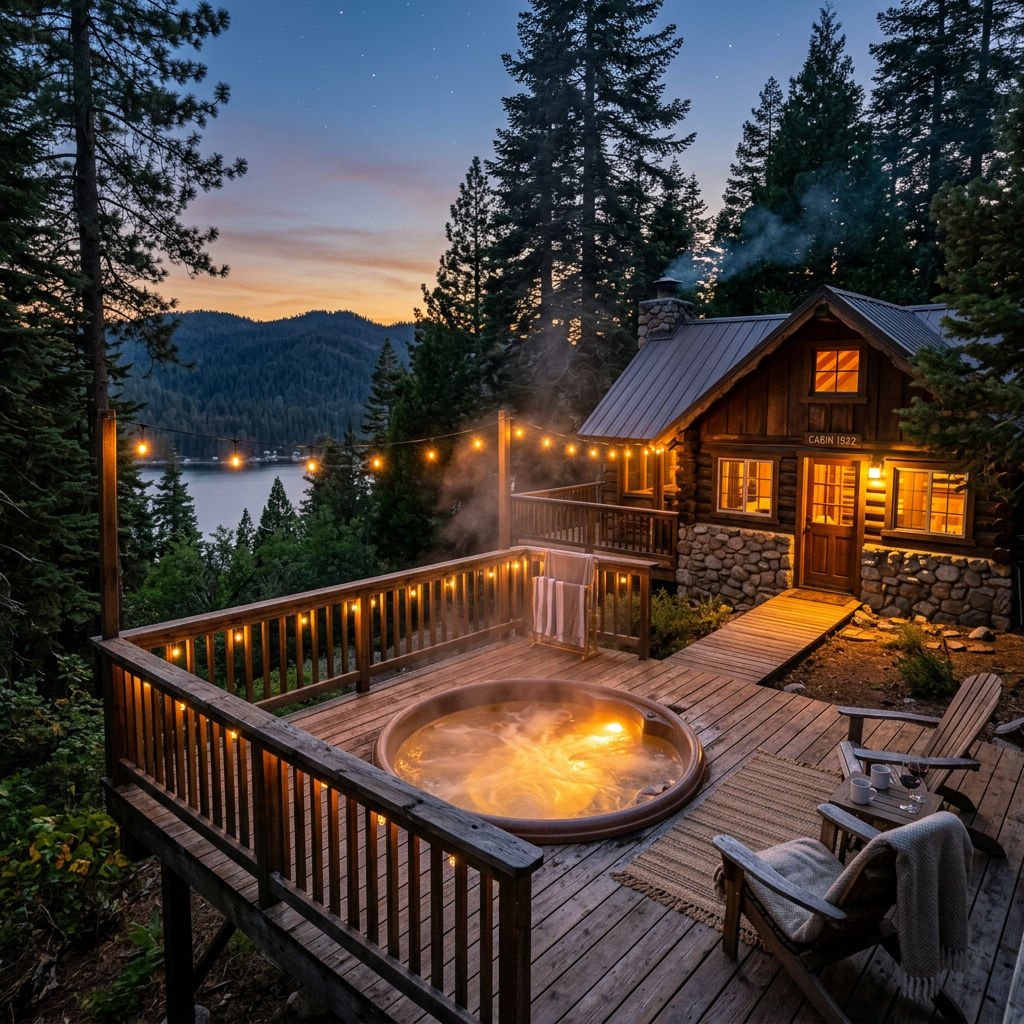
Hot tubs are one of the most requested upgrades in the Lake Arrowhead cabin market — and one of the most frequently wired incorrectly.
The appeal is obvious. Sitting in a hot tub on a Cedar Glen deck while it snows, or on a Blue Jay hillside watching the San Bernardino Mountains go dark at night, is exactly the kind of experience that drives vacation rental bookings and makes a cabin feel like a destination rather than just a place to sleep. For full-time and part-time Lake Arrowhead residents alike, a properly installed hot tub adds genuine value to a mountain property.
What trips people up is the electrical installation. Hot tub wiring is governed by National Electrical Code Article 680 — one of the most detailed and safety-critical sections of the NEC — and it involves requirements that don't apply to any other residential electrical work. Dedicated circuits, GFCI protection, equipotential bonding, mandatory disconnect placement, conduit specifications for mountain environments: every one of these requirements is non-negotiable, and every one of them is something Lake Arrowhead Electrical handles as part of every hot tub installation.
This guide explains what the installation actually involves, what makes mountain wiring different from a valley installation, what permits are required in San Bernardino County, and what you can realistically expect to pay.
For a free hot tub wiring assessment, call Lake Arrowhead Electrical at (909) 403-4740.
What NEC Article 680 Actually Requires for Hot Tub Wiring
The National Electrical Code's Article 680 governs all electrical installations for swimming pools, spas, and hot tubs. Its purpose is preventing electrocution and electrical fire in environments where water and electricity are in close proximity. For a permanently installed outdoor hot tub at a Lake Arrowhead cabin, five requirements from Article 680 apply to every installation without exception.
1. Dedicated 240V circuit with correct wire gauge. Most hot tubs operate on 240 volts and draw between 40 and 60 amps. This requires a dedicated circuit — no sharing with other loads — run from your main panel with appropriately sized wire. Most 240V hot tubs require 6 AWG copper conductors (6/3 wire with four conductors), and the wire gauge must match both the tub's amperage draw and the run length from the panel. Undersizing the wire is a fire hazard and a code violation.
2. GFCI protection. All electrical equipment associated with a hot tub must be protected by a Ground Fault Circuit Interrupter. For hot tubs, this is typically accomplished via a GFCI breaker at the panel rather than a standard outlet-mounted GFCI device. Additionally, any standard receptacle within 20 feet of the inside wall of the hot tub must be GFCI-protected. If your deck has outlets that weren't GFCI-protected before the tub was installed, adding the tub changes their code compliance status.
3. Dedicated disconnect (spa panel). NEC Article 680 requires a dedicated disconnect — commonly called a spa panel or equipment disconnect — installed between 5 and 10 feet from the hot tub, within line of sight of the tub. This allows the power to be cut in an emergency without having to go inside to the main panel. The disconnect must be accessible and lockable. Wiring a hot tub directly to a breaker without a dedicated spa disconnect is a code violation regardless of how it's accomplished.
4. Equipotential bonding. This is the requirement most homeowners and inexperienced electricians miss, and it's one of the most critical safety elements of any hot tub installation. NEC Article 680 requires all metal parts within 5 feet of the inside wall of the hot tub — the tub shell, the pump motor, the heater housing, the equipment rack, any metal railings or fencing within the zone — to be bonded together using a solid #8 AWG copper conductor. Bonding equalizes electrical potential across all metal surfaces so that no single metal component becomes energized relative to another, eliminating the voltage gradient that causes electric shock in and around the water. Bonding is separate from grounding and is not optional.
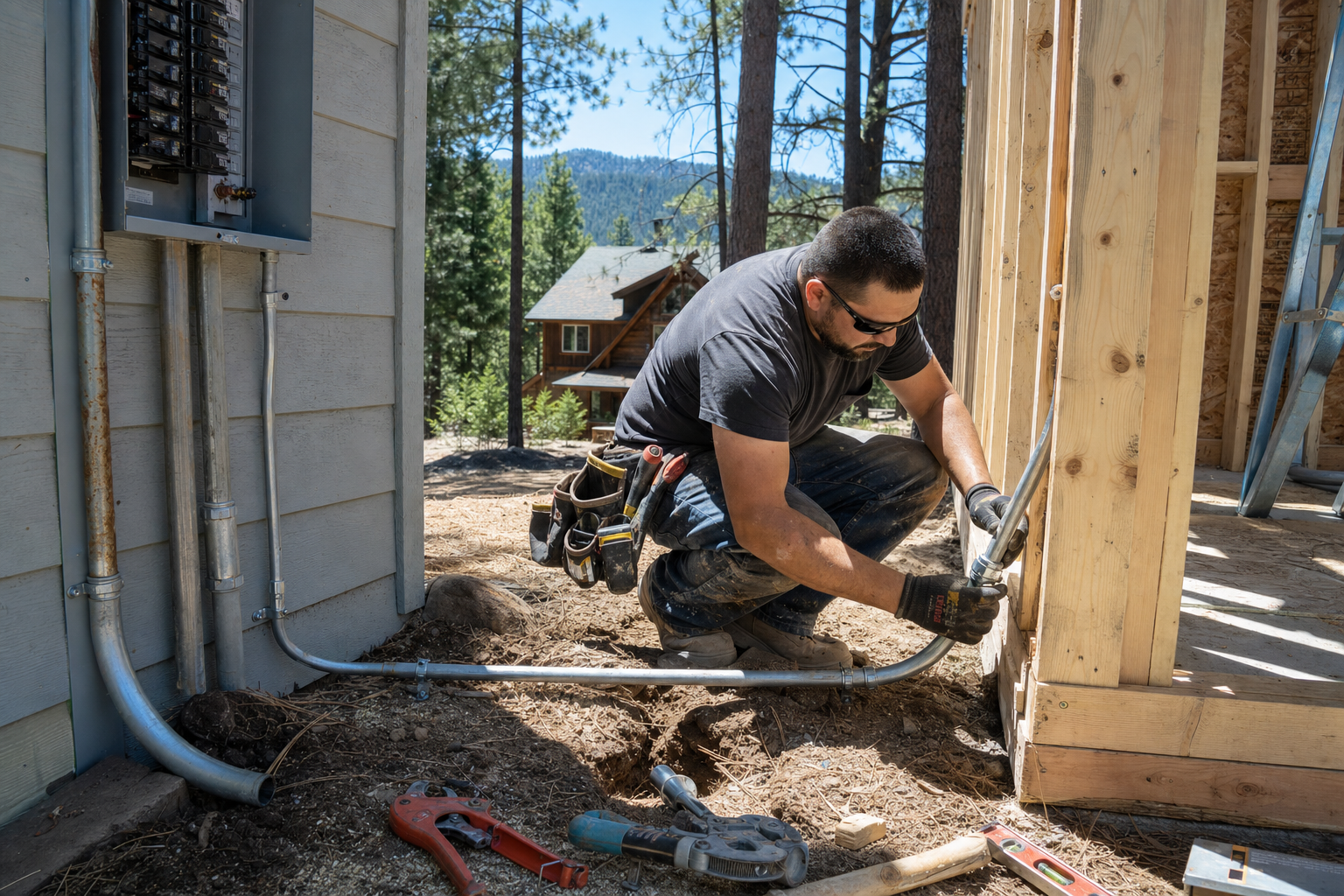
5. Conduit and wiring method for outdoor installation. The underground wiring run from your panel to the spa disconnect, and from the disconnect to the tub equipment, must follow specific conduit requirements. NEC Article 680 prohibits PVC conduit that is brittle or becomes brittle in cold weather for exposed above-ground outdoor use — at Lake Arrowhead's elevation and temperature range, this is directly relevant. Schedule 80 PVC or rigid metal conduit handles mountain temperature extremes more reliably than standard Schedule 40 PVC and provides better physical protection against snow equipment and wildlife.
Why Hot Tub Wiring Is More Complex at Lake Arrowhead Than in the Valley
The NEC Article 680 requirements apply everywhere in California. What makes a Lake Arrowhead installation different from a Rancho Cucamonga one isn't the code — it's the conditions under which the code is applied.
Panel capacity at older mountain cabins. A significant share of Cedar Glen, Twin Peaks, and Blue Jay cabins were built in the 1960s–1980s with 100-amp service panels. A hot tub drawing 50 amps on a dedicated circuit occupies half of a 100-amp panel's total capacity before accounting for the heating system, well pump, appliances, or any other loads. In practice, many older Lake Arrowhead cabins cannot safely accommodate a hot tub without a panel upgrade first. Our electrical panel upgrade guide for Lake Arrowhead covers how to assess your current capacity and what upgrading involves. We always evaluate panel capacity before quoting a hot tub installation — the panel question determines whether you have a one-step or two-step project.
Long runs and difficult terrain. Mountain cabins frequently have detached structures, steep lots, decks built on hillsides, and layouts where the distance from the main panel to the hot tub location is 50 to 100 feet or more — sometimes routed under decking, through finished walls, or along steep terrain. Longer conduit runs require larger wire gauge to compensate for voltage drop over distance. The routing itself must account for frost depth requirements for buried conduit in San Bernardino County's mountain communities, which differ from valley specifications.
Freeze-thaw cycling. The conduit runs, spa panel enclosure, and all outdoor electrical components at a Lake Arrowhead hot tub installation experience the same freeze-thaw cycling that affects every outdoor electrical installation in the San Bernardino Mountains. NEMA 4-rated enclosures for the spa panel and disconnect, rigid or Schedule 80 conduit with proper expansion joints, and weather-rated connection hardware are mountain-spec choices that outlast their consumer-grade equivalents by years.
Propane-heavy systems. Most Lake Arrowhead properties use propane rather than natural gas. Some older cabins run propane heating systems, propane water heaters, and propane ranges on electrical systems that weren't sized for additional large loads. Adding a hot tub to an already propane-supplemented electrical system requires careful load calculation to confirm the panel can handle the additional draw without compromising other circuits — especially heating circuits, which are critical in a mountain environment.
Wildlife interference. Buried conduit runs and spa panel enclosures at Lake Arrowhead properties are occasionally subject to wildlife interaction — squirrels, raccoons, and bears investigate outdoor structures in ways that valley properties don't encounter. Conduit terminations and enclosure closures need to be properly sealed, and exposed conduit runs should be secured against physical damage.
Do You Need a Permit for a Hot Tub in Lake Arrowhead?
Yes. Hot tub installation in Lake Arrowhead requires both an electrical permit and a building permit from San Bernardino County Building and Safety. The electrical permit covers the wiring, GFCI, bonding, and disconnect. The building permit covers the structural support — if the hot tub is installed on a deck or elevated platform, that structure must be permitted and inspected to confirm it can handle the load. A filled hot tub can weigh 5,000 pounds or more; a deck structure that passes visual inspection when empty may not safely support that weight without engineering review.
This is worth emphasizing for vacation rental hosts specifically. San Bernardino County's short-term rental permit process — which governs Airbnb and VRBO rentals throughout the Lake Arrowhead area — includes safety compliance requirements. An unpermitted hot tub installation is a liability during permit renewal and an exposure if a guest is injured. Permitted and inspected work is your legal protection.
Lake Arrowhead Electrical handles the electrical permit as part of every hot tub wiring installation. We pull it, schedule the inspection, and provide documentation you can use for your STR permit file. For the building permit side, we can coordinate with your general contractor or advise on what's required if you're managing the project independently.
If you're selling a Lake Arrowhead property with an unpermitted hot tub installation, our real estate electrical inspection service can assess the existing wiring, identify what needs to be remediated to bring the installation to permitted status, and provide documentation for disclosure.
What Does Hot Tub Wiring Cost at a Lake Arrowhead Cabin?
Costs vary based on panel capacity, run length, and whether any additional work is required.
Straightforward 240V hot tub installation — adequate 200-amp panel with available capacity, reasonable run length from panel to tub location, deck or ground-level placement with accessible routing: $1,200 to $2,500. This covers the dedicated circuit, GFCI breaker, spa disconnect, bonding conductor, conduit run, and San Bernardino County electrical permit.
Long conduit run (50+ feet) — steep terrain, detached structure, or deck placement requiring extended routing: add $300 to $700 depending on distance and routing complexity.
Panel upgrade required first — if your cabin has 100-amp service that can't safely accommodate the hot tub load: $2,500 to $4,500 for the panel upgrade, then the standard hot tub wiring cost. Combining both jobs in one project saves on permit and crew visit costs versus scheduling them separately.
Deck or structural work — if the placement requires new deck framing or structural reinforcement to support the tub's weight, that cost is separate from the electrical work and depends on scope.
All Lake Arrowhead Electrical estimates are flat-price with no hidden fees — you know the total before we start anything. Call (909) 403-4740 for a free site assessment and quote.
Hot Tub Wiring for Lake Arrowhead Vacation Rentals
If your Lake Arrowhead cabin is listed on Airbnb, VRBO, or managed through a property management company, a hot tub is one of the most significant amenity differentiators in the market. Properties with hot tubs consistently command higher nightly rates and stronger off-season occupancy — the appeal of a mountain hot tub in November or February is obvious.
What matters for rental hosts is that the installation is permitted, code-compliant, and properly documented:
GFCI protection is guest safety. Article 680's GFCI requirements exist because electricity near water kills. A guest injured at an improperly wired hot tub on your rental property is a liability exposure that proper installation and permits directly address.
Bonding is easy to skip and costly to miss. Equipotential bonding is the requirement most often omitted in informal installations. An unbonded hot tub installation may appear to function normally for years and then create a shock hazard when a metal component corrodes or a connection changes. A licensed electrician who knows Article 680 installs bonding correctly the first time.
Insurance documentation matters. Vacation rental insurance carriers increasingly require evidence of permitted electrical installations for coverage of hot tub-related incidents. Permitted work with a county inspection record is the documentation that protects your coverage.
For a comprehensive review of what Lake Arrowhead Airbnb and VRBO rentals need electrically — beyond the hot tub — our realtors and rental properties service page covers the full scope.
Serving Hot Tub Installations Across the San Bernardino Mountain Communities
Lake Arrowhead Electrical installs and wires hot tubs throughout the San Bernardino Mountain communities — Lake Arrowhead, Blue Jay, Cedar Glen, Twin Peaks, Rimforest, Skyforest, Crestline, Running Springs, and the surrounding area. We're based in Blue Jay, at elevation, which means we're already familiar with the terrain, the county permitting process, and the specific challenges that mountain hot tub installations present.
Every installation is C-10 licensed, fully permitted, and inspected before power is energized. We don't skip the bonding conductor. We don't omit the spa disconnect. And we don't leave you with an installation that fails inspection or creates liability down the road.
Call (909) 403-4740 or contact us online for a free hot tub wiring assessment and estimate.
Frequently Asked Questions
Can any licensed electrician wire a hot tub in Lake Arrowhead?
Legally, any C-10 licensed California electrician can do the work. Practically, NEC Article 680 is a specialized section of the code that not every electrician works with regularly. Ask specifically whether the electrician has experience with hot tub installations in San Bernardino County and is familiar with the county's permitting process for mountain community properties. An electrician who pulls the permit and schedules the inspection as part of the job is demonstrating the compliance posture you want.
What happens if my hot tub was installed without a permit?
Unpermitted hot tub wiring creates liability in real estate transactions, may void your homeowner's or vacation rental insurance in the event of an incident, and can require full remediation at county inspection if you apply for an STR permit or sell the property. Lake Arrowhead Electrical can assess an existing unpermitted installation, identify what's needed to bring it to code, and pull a permit for the remediation work.
Does my existing panel need to be upgraded before adding a hot tub?
It depends on your current service amperage and available capacity. A 200-amp panel with available slots and a reasonable existing load can typically accommodate a hot tub circuit. A 100-amp panel — common in older Lake Arrowhead cabins — often cannot without an upgrade. We assess your panel as part of the free estimate visit before committing to a scope or price.
How long does hot tub wiring installation take?
For a straightforward installation on an adequate panel with a clear conduit route, most hot tub wiring jobs complete in one day. The county electrical inspection adds lead time — plan two to four weeks for San Bernardino County permit approval. If a panel upgrade is part of the scope, add one to two additional days.
What is equipotential bonding and is it really required?
Equipotential bonding connects all metal parts within 5 feet of the hot tub to a single #8 AWG solid copper conductor, ensuring they all sit at the same electrical potential. It prevents a shock hazard that can occur when voltage differences exist between metal surfaces — a risk that's particularly dangerous in wet environments. NEC Article 680 requires it for every hot tub installation. It is not optional, and skipping it does not save meaningful time or cost while creating real safety and legal exposure.
Lake Arrowhead Electrical is a licensed C-10 electrical contractor serving Lake Arrowhead, Blue Jay, Cedar Glen, Twin Peaks, Rimforest, Skyforest, Crestline, Running Springs, and the surrounding San Bernardino Mountain communities. 27264 CA-189, Ste M-01B, Blue Jay, CA 92317. Call (909) 403-4740 for a free estimate.