Dock and Boat Lift Electrical Wiring on Lake Arrowhead: What NEC 555 and the ALA Both Require
Dock and Boat Lift Electrical Wiring on Lake Arrowhead: What NEC 555 and the ALA Both Require
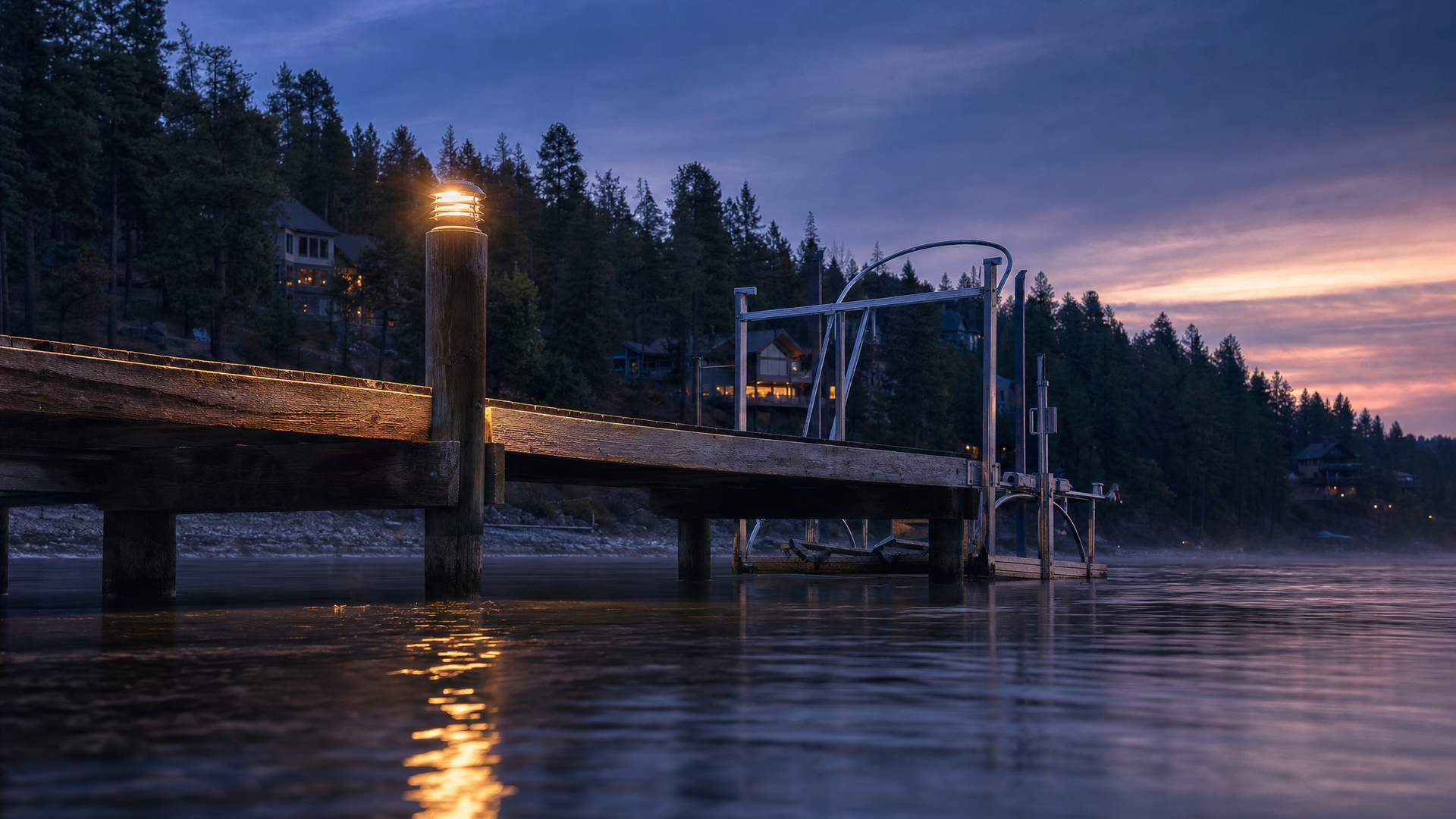
Quick answer: Dock and boat lift electrical work on Lake Arrowhead has to satisfy two separate sets of requirements: the National Electrical Code's Article 555, which governs marina and dock wiring nationwide to prevent electric shock drowning, and the Arrowhead Lake Association's own rules, since Lake Arrowhead is a private lake where docks are a legally distinct piece of property from the home. Ground-fault protection, bonding, and wet-rated equipment are non-negotiable under the code — and confirming who actually owns the dock is just as important before any work begins.
What Is Electric Shock Drowning, and Why Does It Matter on a Private Lake Like This?
Electric shock drowning happens when leaking electrical current — from a damaged cord, a corroded connection, or a missing ground-fault device — energizes the water around a dock or boat. Unlike a fault on dry land, which typically just trips a breaker, current leaking into water can paralyze a swimmer's muscles well before it's strong enough to register as a shock, which is why victims often can't call out or swim to safety. It's an invisible hazard with no warning sign. With Lake Arrowhead's beach clubs, private docks, and heavy summer swim traffic around Arrowhead Woods shoreline, this isn't a hypothetical — it's exactly why dock wiring is held to a far stricter standard than a typical outdoor circuit.
What Does NEC Article 555 Require for a Lake Arrowhead Dock?
Article 555 covers marinas, boatyards, and both commercial and residential docking facilities, and it's one of the most prescriptive sections of the entire electrical code because the failure mode is genuinely life-threatening. The core requirements:
- Ground-fault protection on the main circuit feeding the dock, tripping at 30 milliamps or less
- GFCI protection on every shore power receptacle at the dock
- Equipotential bonding tying together every metal component — ladders, cleats, rails, the boat lift frame — to a common ground
- A clearly marked, accessible disconnect switch at a specified height above the dock deck
- Wet-rated, corrosion-resistant fixtures and wiring throughout
None of this is optional, and it applies the same way here as it would on any lake in the country.
The Extra Layer: What the Arrowhead Lake Association Requires Beyond the Electrical Code
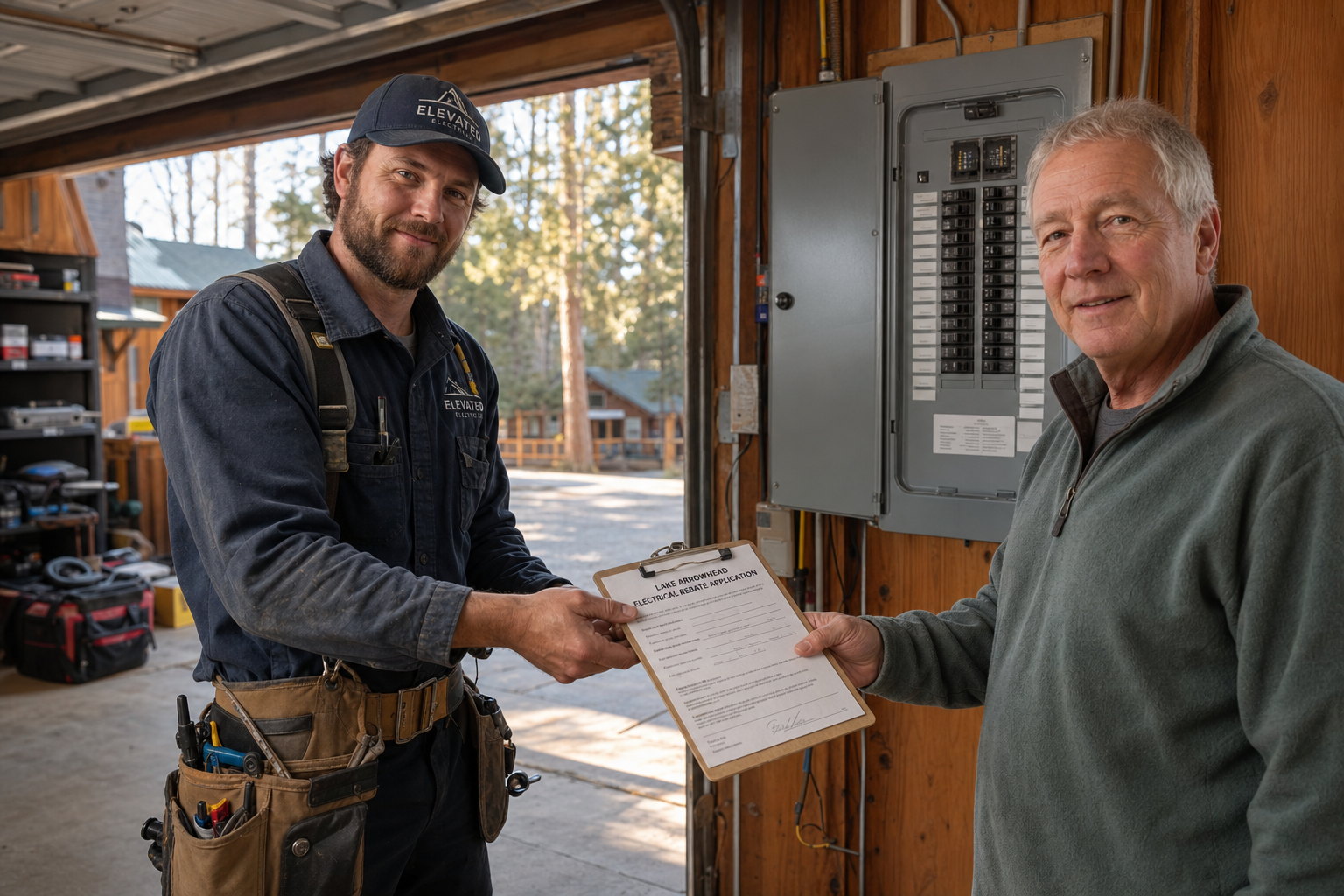
This is where Lake Arrowhead genuinely differs from most mountain lake communities. Because Lake Arrowhead is privately owned and managed by the Arrowhead Lake Association, a dock isn't automatically part of the home it sits in front of — it's a separate piece of property with its own Pier Site Easement, which is the legal right to attach a physical dock structure to ALA-owned shoreline. Docks can be transferred, held separately from a property, or sold independently of the home, and dock owners are required to carry $500,000 in liability insurance naming the ALA as an additional insured. Practically, this means that before any electrical work begins, it's worth confirming who actually holds the dock's Pier Site Easement — it isn't always the same person as the homeowner, particularly on properties that have changed hands without the dock changing with them.
Wiring a Boat Lift: What's Different From Standard Dock Power?
Boat lift motors are typically hardwired at 120V or 240V, and unlike a simple shore power outlet, that circuit needs to account for the motor's startup load, weatherproofing at the connection point, and its own dedicated protection under the same Article 555 bonding and ground-fault requirements as the rest of the dock. A lift added years after the original dock wiring is one of the most common places we find gaps — a run added by whoever was available at the time, never properly integrated into the dock's overall bonding and ground-fault system.
Buying a Home With an Existing Dock? Why the Electrical and the Easement Are Two Different Things
If you're buying a lakefront property, confirming the dock's electrical condition and confirming its legal ownership are two entirely separate checks — and skipping either one can be an expensive surprise. A dock that "comes with the house" in a listing isn't automatically true on Lake Arrowhead unless the Pier Site Easement transfer is properly documented, and a dock that looks fine visually can still have wiring that's never met Article 555. Our guide to electrical inspection before buying or selling a Lake Arrowhead home covers what general home inspectors typically miss — dock wiring is exactly the kind of specialized item that falls through that gap.
Is Your Dock Wiring Up to Code? Warning Signs Before Swim Season
A lot of Lake Arrowhead docks were wired years before current code requirements existed, or had a boat lift or extra outlet added later without full Article 555 compliance. Warning signs worth taking seriously: outlets or cords that aren't GFCI-protected, any tingling sensation in the water near the dock (treat this as an emergency — get everyone out of the water immediately and shut off power at the source), corroded or exposed wiring at the connection point, and any dock electrical work you can't confirm was permitted and inspected.
What Does Dock Electrical Work Cost on Lake Arrowhead?
- Dock circuit inspection and evaluation: $150–$300
- GFCI/ground-fault upgrade on an existing dock circuit: $500–$1,200
- New boat lift circuit installation: $800–$1,800
- Full dock rewire to current code (bonding, ground-fault protection, wet-rated fixtures): $2,500–$6,000+ depending on dock size and condition
FAQ
Does my dock automatically come with my Lake Arrowhead home purchase?
Not necessarily. Docks on Lake Arrowhead have their own Pier Site Easement, a legal right separate from the home, and must be formally transferred through the Arrowhead Lake Association. Confirm this during escrow rather than assuming.
What is electric shock drowning?
It's when leaking electrical current energizes the water around a dock or boat, which can paralyze a swimmer's muscles before it registers as a shock, preventing them from swimming to safety. It's the reason dock wiring is held to a much stricter code standard than typical outdoor circuits.
Does my boat lift need its own dedicated circuit?
Yes. Boat lift motors draw significant startup current and need a properly sized, weatherproofed, dedicated circuit integrated into the dock's overall ground-fault and bonding system under NEC Article 555.
Does the Arrowhead Lake Association require anything beyond electrical code compliance?
Yes. Dock owners must carry liability insurance naming the ALA as an additional insured, and any dock ownership transfer requires a formal Dock Transfer Application through the ALA, separate from any electrical permitting.
What should I do if I feel tingling in the water near a dock?
Get everyone out of the water immediately without touching any metal ladder, dock structure, or boat, and shut off power at the source if you can safely do so. Treat it as an emergency.
Buying, selling, or just want your dock's wiring properly evaluated before swim season? Lake Arrowhead Electrical is licensed to work on residential dock and boat lift electrical throughout Arrowhead Woods. Call (909) 403-4740 for a free quote.