Whole-House Surge Protection in Lake Arrowhead: What NEC 230.67 Requires (and Why Southern California Edison Outages Make It Urgent)
Whole-House Surge Protection in Lake Arrowhead: What NEC 230.67 Requires (and Why Southern California Edison Outages Make It Urgent)
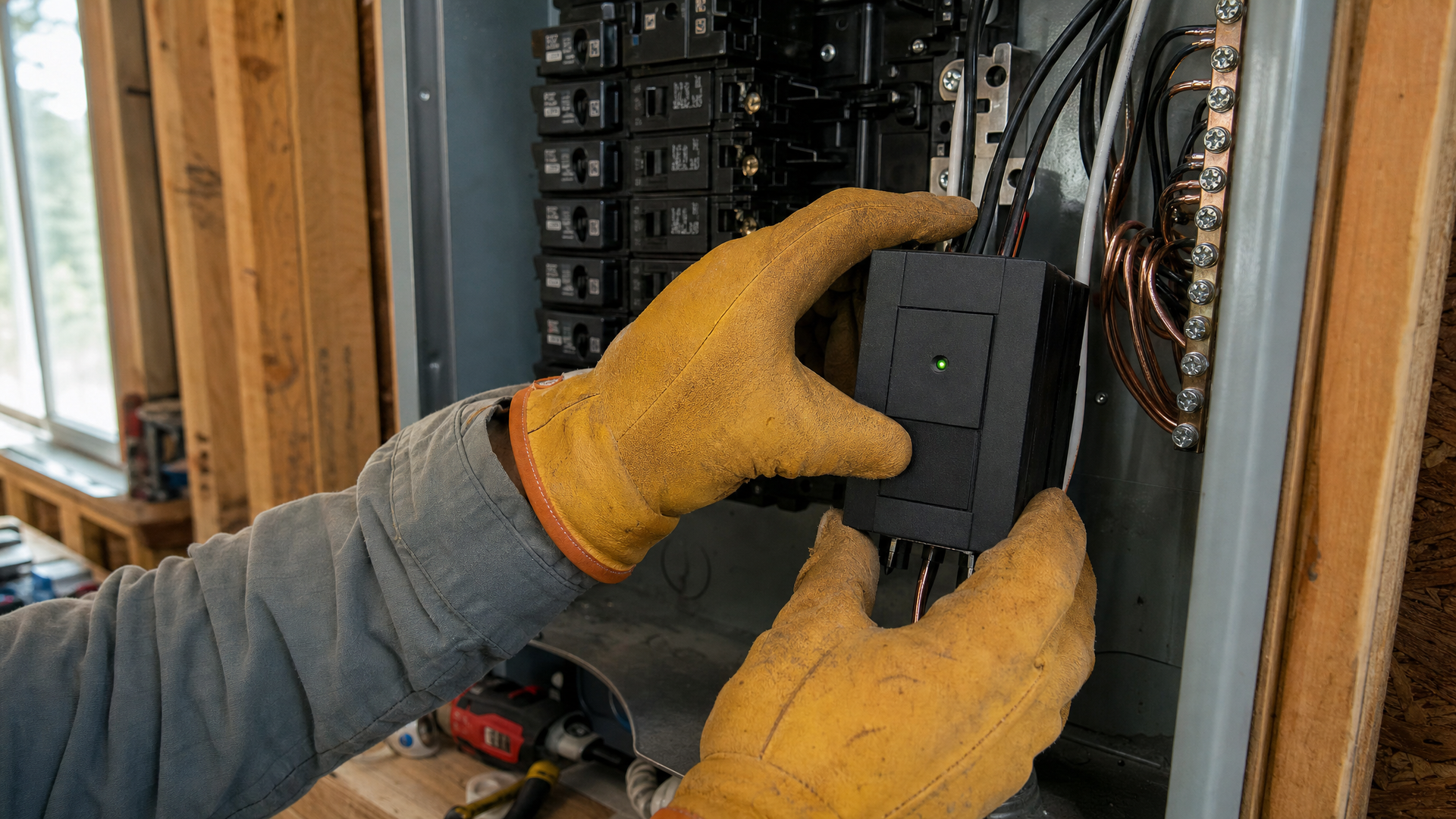
Quick answer: Whole-house surge protection is a device installed at your main panel that shields every circuit in your home from voltage spikes. In California, it's required under NEC 230.67 for most new services and panel replacements, and it's especially important in Lake Arrowhead because of frequent lightning, grid-switching after outages, and older cabin wiring. Installed cost typically runs $300–$900.
If you own a cabin anywhere from Blue Jay to Twin Peaks to Cedar Glen, you already know the power up here doesn't behave the way it does in the valley. Between summer lightning storms rolling over the San Bernardino National Forest, Southern California Edison's Public Safety Power Shutoffs, and the grid-switching that happens every time power is restored along the Rim of the World Highway corridor, mountain homes absorb far more voltage spikes than a typical suburban house. Most of those spikes never trip a breaker — they just quietly shorten the life of your refrigerator, HVAC control board, well pump, and every smart device in the house. Whole-house surge protection is the fix, and as of 2026 it's also a California code requirement for most new and upgraded services. Here's what Lake Arrowhead homeowners need to know.
What Is Whole-House Surge Protection and Why Do Lake Arrowhead Homes Need It?
Whole-house surge protection is a surge protective device (SPD) installed at or near your main electrical panel that intercepts a voltage spike before it reaches your wiring and appliances. Unlike a plug-in power strip, which only protects whatever's plugged into it, a whole-house unit protects every circuit downstream of the panel at once — lighting, HVAC, well pump, EV charger, and every outlet in the cabin.
Mountain homes need this more than most properties in San Bernardino County. Cabins wired decades ago often lack modern grounding and bonding, which makes any surge more damaging once it gets past the meter. Add in a lightning-heavy monsoon season, tree-related line faults common throughout the forest, and the switching surges that happen every time SCE re-energizes a circuit after an outage, and a Lake Arrowhead cabin ends up absorbing surge events several times a year that a flatland home in the Inland Empire rarely sees.
Does California Law Require Surge Protection in Lake Arrowhead?
Yes, in most cases. California currently enforces the 2025 California Electrical Code (Title 24, Part 3), which adopted the 2023 National Electrical Code effective January 1, 2026. Under NEC Section 230.67, all services supplying dwelling units must include a Type 1 or Type 2 surge protective device — and the requirement applies not just to new construction but to any service equipment that gets replaced, which covers most panel upgrades happening in older Lake Arrowhead cabins right now.
The SPD has to be an integral part of the service equipment or installed immediately adjacent to it, and the 2023 code added a minimum nominal discharge current rating of 10kA. Every device we install is also UL-listed to UL 1449, the industry safety standard for surge protective devices — the difference between a "listed" device and an uncertified one is whether it's actually been tested to survive a real surge event without becoming a fire hazard itself. In practice, this means if we're pulling a permit to upgrade your panel, surge protection isn't an upsell — it's part of passing inspection. You can review the full code text through the California Building Standards Commission, and any electrician performing this work in California should hold an active C-10 Electrical Contractor license through the Contractors State License Board.
Type 1 vs. Type 2 vs. Type 3 Surge Protectors: What's the Difference?
The code allows either Type 1 or Type 2 at the panel, and the right choice depends on where it sits in your system and how exposed your property is:
Type 1 SPD
- Installed on the line side of the main breaker, ahead of the service disconnect
- Handles the largest external surges — direct or nearby lightning strikes, major grid-switching events
- Can be installed without an additional overcurrent device
- Typically the better fit for a home on an exposed ridge or higher elevation, like properties along Skyforest or Rimforest
Type 2 SPD
- Installed on the load side, inside or immediately next to the panel
- Handles internal surges — HVAC compressors, well pumps, and other motors cycling on and off
- Lower cost, still fully code-compliant on its own
- The most common baseline choice for Lake Arrowhead and Cedar Glen cabins
Type 3 SPD (point-of-use)
- A plug-in power strip or outlet-level surge protector
- Not a substitute for whole-house protection — only guards the one device it's plugged into
- Best used as a supplemental layer for a home office setup or entertainment center, never as the sole protection
For most Lake Arrowhead cabins, we recommend a layered approach: a Type 2 device at the main panel as the code-compliant baseline, with Type 1 protection added for homes on exposed ridgelines or with a history of lightning-related damage — and Type 3 strips on top for particularly sensitive electronics.
Why Are Lake Arrowhead Cabins Especially Vulnerable to Power Surges?
Three things stack up against mountain homes that don't affect most flatland properties in the region. First, elevation and heavy tree cover throughout the San Bernardino National Forest mean more direct lightning exposure during summer storms — homes in Twin Peaks, Agua Fria, and along the Rim of the World Highway see this firsthand every monsoon season. Second, this whole community sits inside SCE's Public Safety Power Shutoff zones. Every time power is shut off and then restored, the re-energization is a switching event that sends a surge down the line to every connected home from Blue Jay to Crest Park. We covered what PSPS events mean for backup power in our PSPS shutoffs guide — surge protection is the piece that guide didn't cover, and the two work together as one resilience plan.
Third, a lot of the housing stock up here is older. Cabins with aluminum branch circuit wiring or original 1970s-era panels typically have weaker grounding paths, which means a surge that a modern Skyforest build would absorb harmlessly can do real damage to an older Cedar Glen or Lake Arrowhead Village cabin.
How Much Does Whole-House Surge Protection Cost in Lake Arrowhead?
Most homeowners land in the $300–$900 range for a professionally installed whole-house SPD, though the final number depends heavily on your panel's condition:
- Straightforward installation on a newer, accessible panel: roughly $300–$450
- Standard installation with minor panel work (bonding screw, short conductor runs, permit): roughly $450–$700
- Older panels or homes needing grounding upgrades before the SPD can be added: $700–$900+
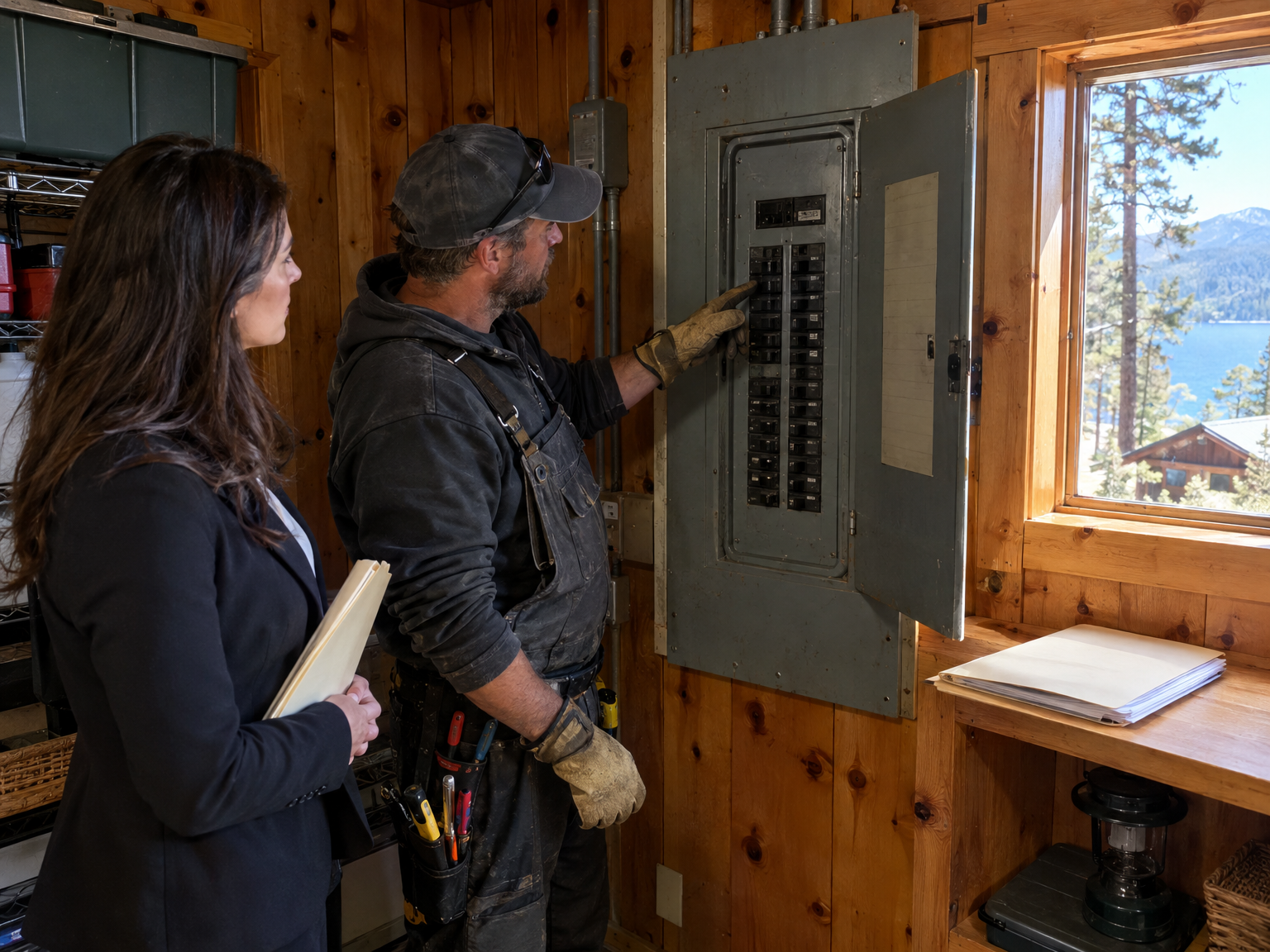
Because so many Lake Arrowhead cabins still have original panels, we always inspect the panel and grounding system first — an SPD installed on inadequate grounding won't perform the way UL 1449 testing assumes it will.
Can Surge Protection Be Added During a Panel Upgrade?
Yes, and if you're already overdue for one, this is the most efficient way to do it. If your panel is showing the signs it's time for an upgrade, adding a code-required SPD during that same job means one permit, one inspection, and no duplicate labor cost for accessing the panel twice. It's also the natural point to pair surge protection with backup generator planning if outages are a recurring issue, or to loop in EV charger installation or general troubleshooting and repairs while the panel's already open. If you're buying or selling in the area, this is also worth flagging in a pre-sale electrical inspection — it's one of the items general home inspectors routinely miss.
FAQ
Does homeowners insurance cover surge damage in Lake Arrowhead?
Many policies cover surge-related damage to appliances and electronics, but insurers increasingly ask whether a whole-house SPD was installed, and some carriers offer discounts for it. Coverage and deductibles vary by policy, so it's worth confirming directly with your carrier before you need to file a claim.
Can I install a whole-house surge protector myself?
No. NEC 230.67 installations involve working inside live service equipment, and DIY panel work is illegal in most California jurisdictions without a licensed C-10 electrical contractor. It can also void your homeowners insurance and any manufacturer warranty on the SPD itself if something goes wrong.
Will a surge protector stop damage from a direct lightning strike?
A UL 1449-listed Type 1 SPD significantly reduces the risk, but no surge protector can guarantee full protection against a direct strike. Layering Type 1 protection with proper grounding and bonding gives Lake Arrowhead and Skyforest homes the best realistic defense available.
How long does a whole-house surge protector last?
Most units are rated for 5–10 years or a set number of surge events, whichever comes first. After any major storm or PSPS restoration event, it's worth having the device checked — many have an indicator light showing whether they're still active.
Does a whole-house surge protector replace the need for a backup generator?
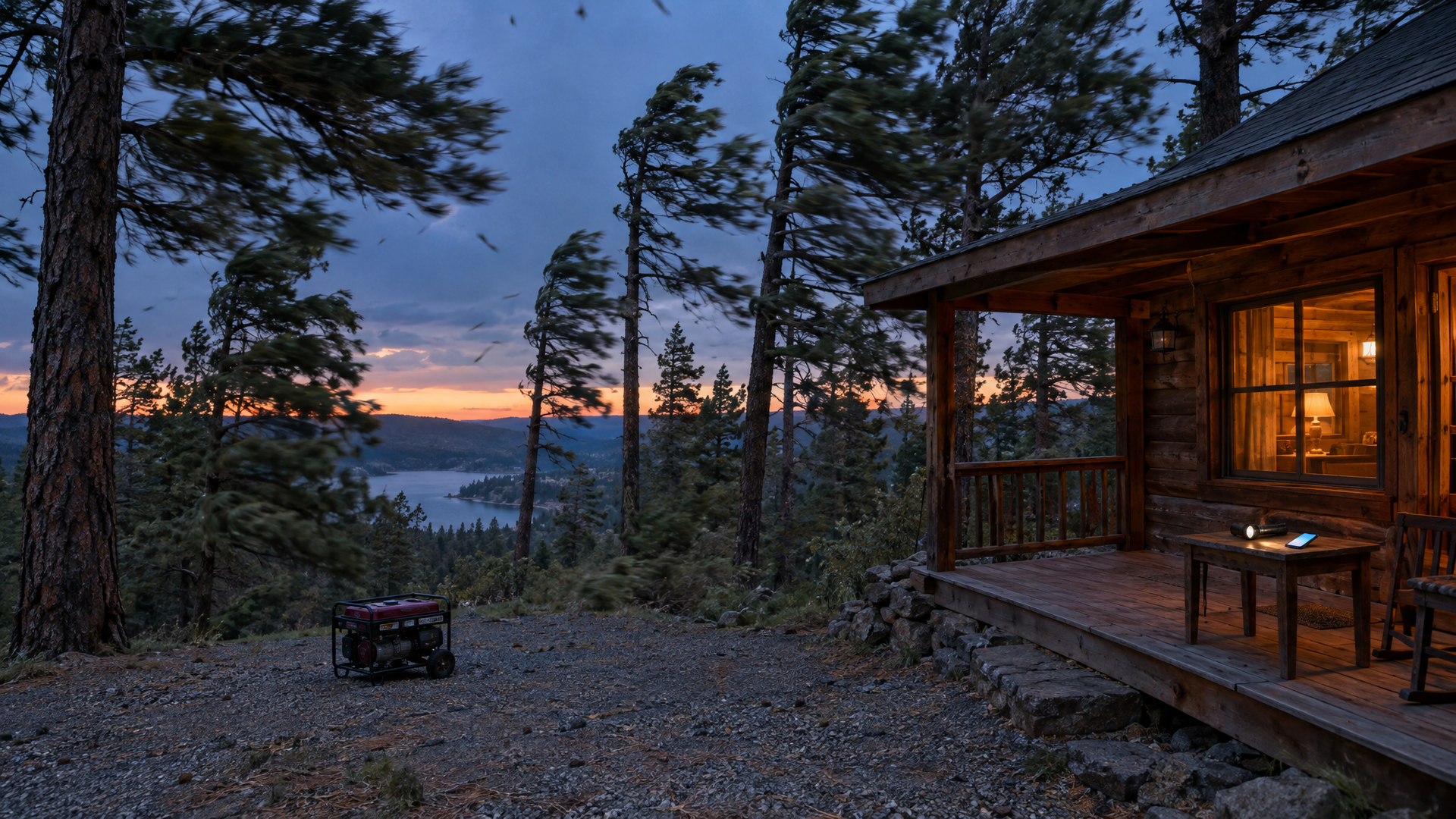
No — they solve different problems. A surge protector guards your wiring and appliances from voltage spikes; a backup generator keeps power running during an outage. Most Lake Arrowhead homeowners benefit from both, especially given how often SCE issues PSPS shutoffs in this area.
Is surge protection required if I'm just replacing an outlet, not the whole panel?
No. NEC 230.67 is triggered when service equipment — the main panel or service disconnect — is installed or replaced, not by minor branch-circuit work like swapping an outlet or light fixture.
Protect your Lake Arrowhead cabin from the next outage or lightning storm. Licensed, local, and based right here in Blue Jay. Free estimates: (909) 403-4740.