How to Keep Your Lake Arrowhead Home Safe This Holiday Season: Essential Electrical Tips for Mountain Living
December 11, 2025
How to Keep Your Lake Arrowhead Home Safe This Holiday Season: Essential Electrical Tips for Mountain Living
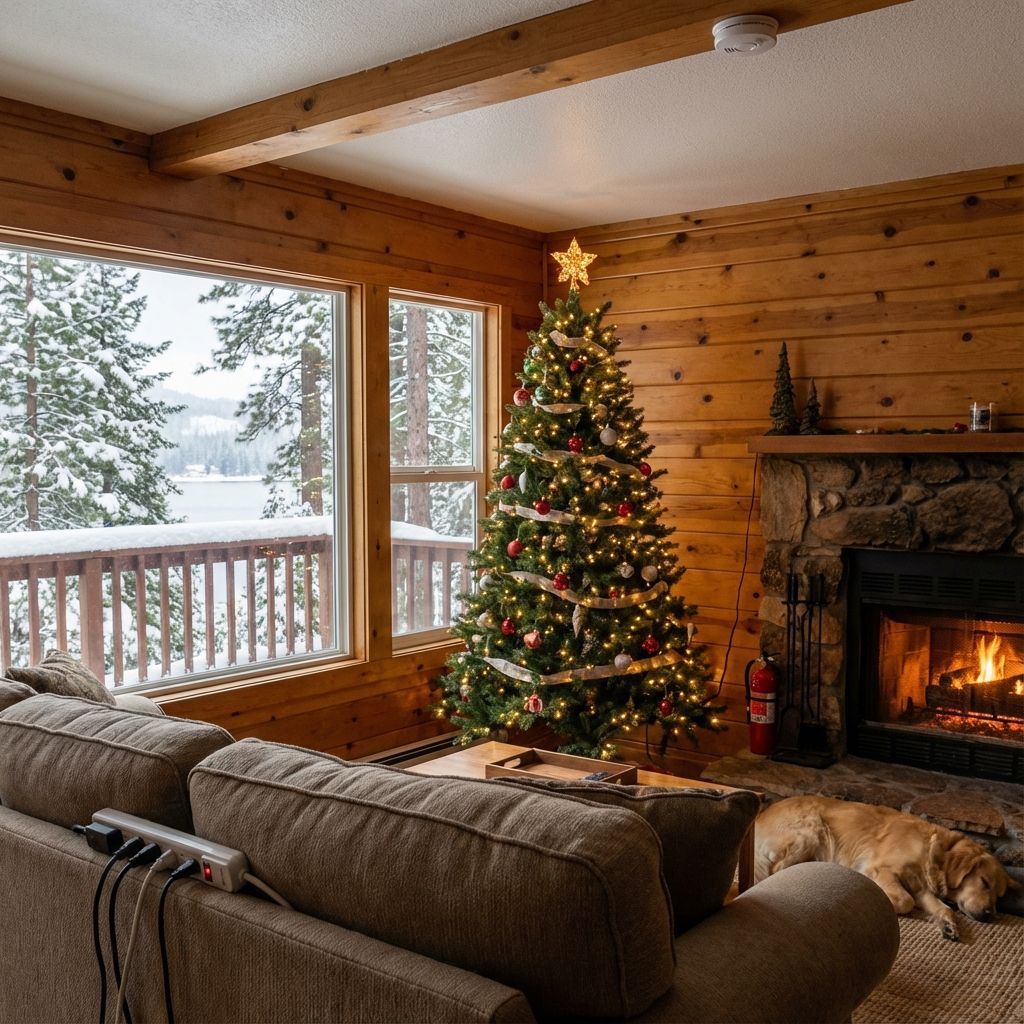
The holidays in Lake Arrowhead are magical. Fresh snow blankets the mountains, twinkling lights illuminate cabin windows, and families gather to celebrate the season. But while you're focused on creating perfect holiday memories, your home's electrical system is working harder than ever—and that extra demand can create serious safety hazards if you're not prepared.
Every holiday season, fire departments across the country respond to thousands of preventable electrical fires caused by overloaded circuits, damaged decorations, and improper extension cord use. In mountain communities like Lake Arrowhead, Blue Jay, and Crestline, the combination of older homes, extreme weather conditions, and increased electrical demand creates the perfect storm for electrical problems.
This comprehensive guide will help you celebrate safely by identifying potential electrical hazards and implementing simple precautions that protect your family and property throughout the holiday season.
The Hidden Electrical Risks of Holiday Decorating
Holiday decorating puts unprecedented stress on your home's electrical system. Between indoor Christmas trees with hundreds of lights, outdoor displays covering your roofline, inflatable decorations in the yard, and animated figures throughout your property, you're asking your circuits to handle loads they weren't designed for.
Outdoor Lighting Challenges in Mountain Weather
Lake Arrowhead's harsh winter weather creates unique challenges for outdoor electrical decorations. Snow, ice, freezing temperatures, and moisture can all compromise the safety of your holiday lighting setup.
Temperature Stress on Electrical Components
When temperatures drop below freezing—a regular occurrence in Lake Arrowhead winters—electrical components face serious stress:
Wire Insulation Becomes Brittle: Cold temperatures make the plastic insulation on light strings and extension cords stiff and prone to cracking. Once insulation cracks, exposed wires create shock and fire hazards.
Connection Points Loosen: Temperature fluctuations cause materials to expand and contract. Electrical connections that seem secure in mild weather can work loose during freezing nights, creating dangerous arcing conditions.
Increased Moisture Exposure: Snow accumulation and ice buildup can trap moisture against electrical connections. When water freezes and thaws repeatedly, it accelerates corrosion and creates short circuit conditions.
Solution: Use only outdoor-rated lights and cords specifically designed for cold weather use. Check manufacturer specifications—many standard outdoor lights are only rated for temperatures down to 32°F, which isn't cold enough for mountain conditions. Look for lights rated for at least -20°F.
Indoor Fire Hazards from Holiday Decorations
While outdoor decorations face weather challenges, indoor holiday decorations create their own electrical fire risks:
Christmas Tree Lighting Overload
The traditional centerpiece of holiday decorating—the Christmas tree—is also one of the biggest electrical hazards. Here's why:
Excessive Light String Chaining: Most light strings allow you to connect 3-5 strings end-to-end. Homeowners often exceed these limits, creating dangerous overload conditions that can melt wire insulation or ignite the tree.
Extension Cord Dependency: Many people run multiple extension cords to reach their tree location. Daisy-chaining extension cords increases resistance, generates heat, and can overload circuits.
Dry Tree Fire Risk: Real Christmas trees dry out over time. When combined with hot incandescent lights, they become extremely flammable. Even LED lights generate heat that can ignite tinder-dry needles.
Fireplace Mantle Decorations
Those beautiful garlands and stockings hung from your fireplace mantle require electrical safety awareness:
Hidden Extension Cords: Decorative garlands often conceal extension cords and light strings. When cords are hidden under flammable materials, heat can build up undetected until ignition occurs.
Proximity to Heat Sources: Lights and electrical decorations placed too close to fireplaces can overheat from radiant heat, even when not in direct contact with flames.
Solution: Use LED lights wherever possible—they generate 90% less heat than incandescent bulbs. Keep decorations at least three feet from heat sources, and never hide extension cords under rugs, furniture, or decorative materials.
Understanding Your Home's Electrical Capacity
Many Lake Arrowhead homes were built as seasonal vacation cabins with electrical systems designed for minimal use. These older systems often struggle with modern holiday electrical demands.
Circuit Load Calculations for Holiday Decorating
Before you start decorating, you need to understand how much electrical load your circuits can safely handle.
Standard Circuit Capacity:
15-Amp Circuit: Can safely handle 1,440 watts continuously (80% of maximum 1,800 watts)
20-Amp Circuit: Can safely handle 1,920 watts continuously (80% of maximum 2,400 watts)
The 80% rule exists because electrical code requires a safety margin. Running circuits at maximum capacity creates heat buildup and premature failure.
Calculating Your Decoration Load:
Add up the wattage of everything plugged into each circuit:
Incandescent light strings: 40-70 watts per 100-light string
LED light strings: 4-7 watts per 100-light string
Inflatable decorations: 50-200 watts each
Animated displays: 100-300 watts
Indoor decorations: 10-100 watts per item
If you exceed your circuit's safe capacity, you need to redistribute loads or add dedicated circuits.
Example Overload Scenario:
Let's say you've plugged into a 15-amp outdoor circuit (1,440 watts safe capacity):
5 strings of incandescent lights × 50 watts each = 250 watts
2 large inflatable decorations × 150 watts each = 300 watts
1 animated outdoor display = 200 watts
1 spotlight on your front entrance = 100 watts
Total: 850 watts ✅ Safe—you're within capacity
But if you add:
3 more light strings = 150 watts
Another inflatable = 150 watts
New Total: 1,150 watts ✅ Still safe, but getting close
One more large inflatable (200 watts) would put you at 1,350 watts—approaching your limit. Add regular outdoor lighting or any other device, and you're overloaded.
Signs Your Electrical System Is Overloaded
Watch for these warning signs that indicate you're pushing your electrical system beyond safe limits:
Frequent Circuit Breaker Trips: If you're constantly resetting breakers when turning on holiday lights, you're overloading circuits. This isn't just inconvenient—it's dangerous.
Dimming Lights: When your regular indoor lights dim whenever you plug in outdoor decorations, you're experiencing voltage drop from overloaded circuits.
Warm Outlets or Plugs: Any outlet or plug that feels warm to the touch is carrying too much current. This is a fire hazard that requires immediate attention.
Burning Smell: Any electrical burning odor from outlets, switches, or decorations means you have a serious problem. Shut off power immediately and call an electrician.
Flickering Decorations: If your holiday lights flicker or dim periodically (not part of their intended pattern), you're experiencing power instability that can damage equipment and create fire risks.
Extension Cord Safety: The Make-or-Break Factor
Extension cords are essential for holiday decorating, but they're also one of the most dangerous elements when used improperly. According to the U.S. Consumer Product Safety Commission, extension cords cause approximately 3,300 residential fires annually, resulting in 50 deaths and hundreds of injuries.
Choosing the Right Extension Cords
Not all extension cords are created equal. Using the wrong type creates serious fire and shock hazards.
Indoor vs. Outdoor Rating:
Indoor Cords: Have lighter insulation suitable only for dry, temperature-controlled environments. Using indoor cords outside is extremely dangerous—they're not weatherproof and will fail in mountain conditions.
Outdoor Cords: Feature heavier, weather-resistant insulation rated for moisture, UV exposure, and temperature extremes. Look for cords marked "suitable for outdoor use" or with an "W" designation.
Wire Gauge Matters:
Extension cord wire gauge determines how much current it can safely carry. Lower gauge numbers mean thicker wire and higher capacity:
16-Gauge: Good for light-duty applications up to 13 amps (1,560 watts)
14-Gauge: Medium-duty applications up to 15 amps (1,800 watts)
12-Gauge: Heavy-duty applications up to 20 amps (2,400 watts)
For holiday lighting, 14-gauge outdoor-rated cords are typically your best choice. They handle substantial loads while remaining flexible enough for easy installation.
Cord Length Impacts Capacity:
Longer extension cords have higher resistance, reducing their safe capacity:
Cords under 50 feet: Use rated capacity
50-100 foot cords: Reduce capacity by 20%
100+ foot cords: Reduce capacity by 30-40%
This is why you see voltage drop and dimming lights when using very long extension cords.
Extension Cord Safety Rules
Follow these critical safety practices:
Never Daisy-Chain Extension Cords: Connecting multiple extension cords creates dangerous resistance buildup and violates electrical code. If one cord won't reach, use a single longer cord instead.
Don't Run Cords Under Rugs or Carpets: This creates heat buildup and hides damage. Cords under foot traffic can be damaged without your knowledge, creating fire hazards.
Keep Connections Elevated: Don't let extension cord connections sit in snow or standing water. Elevate connections or use weatherproof covers designed for outdoor electrical connections.
Inspect Before Each Use: Check every cord for damage before plugging it in. Look for cracked insulation, exposed wires, damaged plugs, or bent prongs. Discard damaged cords—don't try to repair them with electrical tape.
Don't Overload Cords: Just because a cord can physically accept multiple plugs doesn't mean it can safely power them all. Calculate total wattage and stay within the cord's rated capacity.
Secure Cords Properly: Use cord clips or hooks designed for outdoor use. Don't use staples or nails, which can pierce insulation and create shock hazards.
GFCI Protection: Your First Line of Defense
Ground Fault Circuit Interrupter (GFCI) protection is essential for outdoor electrical safety, especially in Lake Arrowhead's wet winter conditions.
What GFCIs Do and Why They Matter
GFCIs detect tiny imbalances in electrical current (as small as 4-6 milliamps) that indicate electricity is leaking to ground—potentially through a person's body. When an imbalance is detected, the GFCI cuts power in 1/40th of a second, preventing electrocution.
This protection is critical for outdoor holiday decorating because:
Snow and ice create moisture exposure that can cause ground faults
Damaged insulation from cold weather creates shock hazards
Metal decorations and aluminum ladders create conductive paths to ground
Wet hands from snow contact increase shock risk
GFCI Requirements for Holiday Decorating
California electrical code requires GFCI protection for all outdoor outlets. If your Lake Arrowhead home doesn't have GFCI-protected outdoor outlets, you're not just risking safety—you're violating code.
Types of GFCI Protection:
GFCI Outlets: Permanently installed at the outlet location, protecting everything plugged into them
GFCI Circuit Breakers: Installed at the electrical panel, protecting entire circuits
Portable GFCI Adapters: Plug-in devices that add GFCI protection to non-GFCI outlets
For holiday decorating, portable GFCI adapters provide affordable protection if your outdoor outlets aren't GFCI protected. They typically cost $15-30 and can prevent electrocution.
Testing Your GFCI Protection
Before decorating, test all GFCI outlets:
Press the "TEST" button on the GFCI outlet or adapter
The "RESET" button should pop out and power should shut off
Press "RESET" to restore power
If the GFCI doesn't trip when tested, it has failed and must be replaced immediately. GFCIs have a lifespan of 10-15 years and should be replaced periodically.
LED vs. Incandescent: Making the Safe Choice
The shift from incandescent to LED holiday lights isn't just about energy efficiency—it's a significant safety upgrade.
Why LEDs Are Safer for Holiday Decorating
Dramatically Reduced Fire Risk:
Incandescent bulbs convert 90% of energy to heat, only 10% to light
LEDs convert 90% of energy to light, only 10% to heat
Surface temperature comparison: Incandescent bulbs reach 300-400°F, while LEDs stay under 100°F
This temperature difference matters enormously when lights contact Christmas tree needles, dried garlands, fabric decorations, or wooden home exteriors.
Lower Electrical Load:
LED strings use approximately 10% of the electricity that incandescent strings consume:
100-light incandescent string: 40-70 watts
100-light LED string: 4-7 watts
This means you can connect many more LED strings without overloading circuits. Most LED strings allow 40-90 strings to be connected end-to-end (compared to just 3-5 incandescent strings), giving you incredible decorating flexibility without adding circuits.
Superior Durability:
LEDs are more resistant to:
Physical impact (no fragile filaments)
Temperature extremes (designed for -20°F to 140°F)
Vibration and movement (important for outdoor installations)
For Lake Arrowhead's harsh mountain winters, LED durability means fewer failures and safer operation.
Making the Transition to LED
If you're still using incandescent lights, this year is the perfect time to switch:
Cost Considerations:
While LED lights cost 2-3 times more upfront than incandescent, they pay for themselves through:
10-15 year lifespan (vs. 1-2 years for incandescent)
90% lower electricity costs
Reduced replacement costs
Lower fire insurance risk
Compatibility Notes:
You generally cannot mix LED and incandescent strings on the same run, as they have different electrical characteristics. Plan to replace entire runs rather than mixing technologies.
Generator Safety for Holiday Power Outages
Lake Arrowhead experiences frequent power outages during winter storms. If you're using a backup generator to keep holiday lights running during outages, safety is paramount.
Critical Generator Safety Rules
Never Run Generators Indoors:
This cannot be overstated. Generators produce deadly carbon monoxide that kills people every year. Never operate generators in:
Garages (even with doors open)
Basements
Crawl spaces
Covered patios
Any enclosed or partially enclosed space
Generators must be positioned at least 20 feet from your home with exhaust directed away from windows and doors.
Use Proper Connection Methods:
NEVER backfeed your home by plugging a generator into a wall outlet. This creates lethal hazards for utility workers and can destroy your electrical system.
Proper generator connection requires either:
Manual Transfer Switch: Installed by a licensed electrician, this safely connects your generator to selected home circuits while isolating you from the utility grid.
Generator Inlet Box: An outdoor receptacle connected to your transfer switch, providing a safe connection point for your generator.
Both solutions require professional installation and permit approval.
Protect Against Overload:
Don't try to power your entire holiday display plus essential appliances with an undersized generator. Calculate your actual needs and ensure your generator has adequate capacity with 20-30% reserve.
Refueling Safety:
Always turn the generator off and let it cool before refueling
Store gasoline in approved containers away from living spaces
Never store generators with fuel in them for extended periods
Use fuel stabilizer if storing for more than 30 days
Inspection and Maintenance: Before You Decorate
The single most important safety step happens before you hang a single light: thorough inspection of all electrical decorations and equipment.
Pre-Season Decoration Inspection Checklist
Light Strings:
Inspect every foot of every light string for damaged insulation
Check for cracked or broken bulb sockets
Look for darkened or burned bulbs (indicating overheating)
Test each string before installation
Discard any string with visible damage—they're not worth the fire risk
Extension Cords:
Examine insulation for cracks, cuts, or wear
Check plugs for loose prongs, cracks, or burn marks
Verify proper grounding (three-prong plugs for outdoor use)
Test cord flexibility—brittle cords should be replaced
Ensure weather-resistant covers are intact
Electrical Decorations:
Inspect inflatable decorations for damaged wiring or motors
Check animated displays for proper function
Verify all components are rated for outdoor use if installing outside
Replace any items with frayed cords or exposed wiring
Outlets and Connections:
Test all GFCI outlets using the test button
Check outdoor outlet covers for damage or deterioration
Ensure weatherproof covers close properly around plugs
Verify outlets are firmly mounted and not loose
Professional Electrical Inspection
If your Lake Arrowhead home is more than 20 years old, consider scheduling a professional electrical inspection before the holiday season. An electrician can identify:
Undersized electrical panels that can't handle holiday loads
Inadequate circuit capacity for modern decorating
Missing or failed GFCI protection on outdoor circuits
Deteriorating wiring that creates fire hazards
Code violations from previous DIY work
The cost of an inspection (typically $200-400) is far less than dealing with electrical fires or injury.
Smart Timers and Automation for Safety and Efficiency
Modern smart timers offer significant safety and convenience advantages for holiday lighting.
Benefits of Automated Lighting Control
Automatic Shutoff:
The most common cause of holiday electrical fires is leaving decorations powered overnight or while away from home. Smart timers eliminate this risk by automatically shutting off power on a schedule you set.
Energy Savings:
Even LED lights waste electricity when burning unnecessarily. Timers ensure lights only operate during viewing hours, reducing electrical costs.
Extended Decoration Lifespan:
Limiting operating hours extends the life of light strings and electrical decorations, saving replacement costs over time.
Choosing the Right Timer
Outdoor-Rated Timers:
For exterior decorations, use timers specifically rated for outdoor use with weatherproof construction. Indoor timers will fail in mountain weather.
Adequate Capacity:
Timers have maximum load ratings (typically 1,800 watts for 15-amp models). Calculate your total decoration wattage and choose a timer with adequate capacity plus 20% safety margin.
Smart Features Worth Having:
Astronomical timers that adjust on/off times based on sunset/sunrise
Multiple on/off periods per day for flexible scheduling
Battery backup to maintain programming during power outages
Ground fault protection built into the timer
Manual override for special occasions
Installation Best Practices
Protect Timer Connections:
Even outdoor-rated timers benefit from weatherproof outlet covers that accommodate the timer while in use. This prevents moisture infiltration that can cause failures or ground faults.
Use Dedicated Circuits:
For large displays, plug timers directly into dedicated outdoor circuits rather than sharing with other loads. This prevents overloading and ensures reliable operation.
When to Call Lake Arrowhead Electrical Professionals
Some holiday electrical needs require professional expertise rather than DIY approaches.
Situations Requiring Professional Help
Adding Dedicated Circuits:
If your existing outlets can't safely handle your holiday display, a licensed electrician can install dedicated 20-amp circuits for decorating. This investment provides safe capacity for years of future holidays.
Outlet Installation or Relocation:
Need outlets in better locations for decorating? Professional installation ensures code compliance, proper weatherproofing, and GFCI protection.
Service Panel Upgrades:
Older Lake Arrowhead cabins often have 60-100 amp service panels that can't support modern electrical demands. Upgrading to 200-amp service accommodates holiday decorating plus everyday needs.
Permanent Exterior Lighting:
Consider permanent architectural lighting that eliminates the annual hassle of temporary decoration installation. Professional electricians can install low-voltage LED systems that provide year-round illumination and holiday lighting capability.
Emergency Repairs:
Any burning smells, sparking outlets, frequent breaker trips, or visible damage requires immediate professional attention. Don't attempt DIY repairs on these serious safety issues.
The Value of Professional Installation
Professional electrical work provides:
Code Compliance: Ensuring all work meets California electrical codes
Permit Acquisition: Handling required permits and inspections
Proper Sizing: Correctly calculating loads and selecting appropriate components
Safety Assurance: Using proper techniques and materials for mountain conditions
Warranty Protection: Guaranteeing work against defects
While DIY holiday decorating is fine for most homeowners, electrical system modifications should always be handled by licensed professionals.
Carbon Monoxide Safety During the Holidays
The holiday season brings increased carbon monoxide risks from multiple sources. In Lake Arrowhead's cold weather, these risks intensify as homes are sealed tight against the cold.
Carbon Monoxide Sources to Monitor
Backup Generators: Running generators during power outages creates the primary holiday CO risk. Always maintain proper distance and ventilation.
Fireplaces and Wood Stoves: Increased use during holiday gatherings can create CO buildup if chimneys are blocked or ventilation is inadequate.
Space Heaters: Gas or propane space heaters produce CO and require proper ventilation.
Vehicle Idling: Running cars in attached garages (even with doors open) to warm them creates dangerous CO levels that can infiltrate living spaces.
Holiday Cooking: Extended oven use for holiday meals, especially gas ovens, can elevate indoor CO levels.
Carbon Monoxide Detector Requirements
California law requires CO detectors in all homes with:
Fuel-burning appliances
Fireplaces or wood stoves
Attached garages
For Lake Arrowhead homes, this means virtually every property needs CO detectors.
Proper Detector Placement:
One detector on every level of the home
One detector within 15 feet of each sleeping area
Never place detectors near vents, fans, or windows where air currents can affect readings
Replace batteries before the holiday season
Replace detectors every 5-7 years per manufacturer recommendations
Warning Signs of CO Poisoning:
Headaches
Dizziness
Nausea
Confusion
Flu-like symptoms without fever
If your CO detector sounds or multiple people feel sick simultaneously, evacuate immediately and call 911 from outside.
Holiday Fire Safety Beyond Electrical
While electrical safety is our focus, comprehensive holiday safety includes additional fire prevention measures.
Christmas Tree Fire Prevention
Fresh Tree Selection:
Choose fresh-cut trees with flexible needles that don't fall off easily
Cut 1-2 inches off the base before placing in water
Keep the tree stand filled with water daily—trees can drink a gallon per day
Check water level twice daily during the first week
Tree Placement:
Position trees at least 3 feet from heat sources (fireplaces, radiators, space heaters)
Keep away from high-traffic areas where they might be knocked over
Ensure stable, tip-resistant stands
Don't block exits with tree placement
Safe Disposal:
Remove trees promptly after the holidays—dried trees are extremely flammable
Never burn Christmas trees in fireplaces (they create dangerous flare-ups and creosote buildup)
Utilize Lake Arrowhead's tree recycling programs
Candle Safety
Candles create beautiful holiday ambiance but cause approximately 10,000 house fires annually.
Safe Candle Practices:
Use battery-operated LED candles for unattended displays
Keep candles on stable, heat-resistant surfaces
Position candles away from decorations, curtains, and other flammables
Never leave burning candles unattended
Extinguish all candles before leaving home or going to bed
Keep candles out of reach of children and pets
Fireplace Safety
Proper Maintenance:
Have chimneys professionally cleaned before the holiday season
Ensure dampers operate properly
Use fireplace screens to contain sparks
Burn only seasoned hardwood—never evergreen boughs, wrapping paper, or boxes
Dispose of ashes in metal containers kept outside
Creating an Emergency Preparedness Plan
Mountain winters can create emergency situations. Having a plan ensures your family stays safe if problems occur.
Power Outage Preparedness
Essential Supplies:
Flashlights (one per person) with fresh batteries
Battery-powered or hand-crank radio for weather updates
Charged phone power banks
Non-electric heat sources (sleeping bags, blankets)
Bottled water (1 gallon per person per day)
Non-perishable food requiring no cooking
First aid kit
Medications
Electrical Safety During Outages:
Turn off major appliances to prevent surge damage when power returns
Leave one light switched on so you know when power is restored
Unplug sensitive electronics to protect against power surge damage
Don't open refrigerators/freezers unnecessarily (they'll stay cold 4-24 hours if unopened)
Fire Evacuation Planning
Family Emergency Plan:
Establish two exit routes from every room
Designate an outside meeting location
Practice evacuation twice yearly
Ensure everyone knows how to call 911
Keep emergency numbers posted
Account for pets in evacuation plans
Special Mountain Considerations:
Winter weather may block some exits—have alternatives
Snow and ice make evacuation more difficult—plan accordingly
Emergency response times are longer in mountain communities—evacuate early rather than waiting
Identify safe routes even if primary roads are blocked
Lake Arrowhead's Unique Holiday Electrical Challenges
Our mountain community faces specific electrical challenges that homeowners should understand.
Aging Infrastructure
Many Lake Arrowhead homes are 40+ years old with electrical systems that haven't been updated. This creates several holiday challenges:
Inadequate Panel Capacity:
Older 60-100 amp panels can't handle modern holiday displays plus everyday electrical loads. Consider panel upgrades before the holidays if you're regularly tripping breakers.
Missing Ground Fault Protection:
Homes built before GFCI requirements may have outdoor outlets without proper protection. This creates serious shock hazards with holiday decorating in winter weather.
Outdated Wiring:
Some older Lake Arrowhead homes still have aluminum wiring or outdated insulation types that create fire risks when heavily loaded.
Weather-Related Power Issues
Lake Arrowhead's winter weather creates unique electrical challenges:
Frequent Storm Outages:
Heavy snow and ice regularly knock out power. Plan for outages with backup lighting, heating, and food storage solutions.
Voltage Fluctuations:
During storms and high-demand periods, voltage can fluctuate significantly. Use surge protectors for sensitive electronics and decorations.
Tree Contact with Lines:
Snow-loaded trees regularly contact power lines, creating outages and dangerous conditions. If you see tree branches on power lines, call Southern California Edison immediately—never attempt to remove them yourself.
Frozen Water Issues
Water line freezing creates electrical complications:
Well Pump Considerations:
Many Lake Arrowhead homes have well water. During outages, no power means no water. Factor this into emergency planning.
Heat Tape Requirements:
Electrical heat tape prevents pipe freezing but adds substantial electrical load. Ensure circuits can handle heat tape plus holiday decorations.
Sump Pump Needs:
Homes with sump pumps need backup power during outages to prevent flooding. Consider battery backup systems.
Sustainable Holiday Decorating
Environmental consciousness aligns with electrical safety and efficiency.
Energy-Efficient Decoration Choices
LED Supremacy:
LEDs aren't just safer—they're vastly more efficient:
90% less electricity consumption than incandescent
Last 10-15 years vs. 1-2 years
Operate safely in extreme cold
Recyclable at end of life
Solar-Powered Options:
Solar holiday lights eliminate electrical consumption entirely:
No extension cords required
Zero electricity costs
No circuit loading concerns
Easy installation anywhere with sun exposure
Lake Arrowhead's winter sun exposure may limit solar light effectiveness, but they work well in many applications.
Reducing Holiday Electrical Waste
Multi-Year Decoration Planning:
Invest in quality decorations designed to last rather than disposable seasonal items:
Professional-grade light strings withstand years of use
Commercial outdoor decorations survive mountain weather
Proper storage extends lifespan significantly
Decoration Storage Best Practices:
Proper storage prevents damage and extends decoration lifespan:
Store lights on reels or in original packaging
Keep decorations in climate-controlled spaces to prevent deterioration
Label boxes clearly for easy setup next year
Store extension cords flat, not coiled, to prevent damage
Use moisture-proof containers to prevent corrosion
Conclusion: Safe, Beautiful Holidays in Lake Arrowhead
The holidays are a time for celebration, family, and creating memories in our beautiful mountain community. By following these electrical safety guidelines, you can enjoy stunning holiday displays while protecting your family and property.
Remember these key takeaways:
✅ Use only outdoor-rated equipment for exterior decorating
✅ Calculate electrical loads to avoid overloading circuits
✅ Choose LED lights for safety and efficiency
✅ Ensure GFCI protection for all outdoor connections
✅ Inspect all decorations before each use
✅ Use proper extension cords rated for mountain conditions
✅ Never daisy-chain cords or exceed manufacturer connection limits
✅ Install carbon monoxide detectors and test them before the holidays
✅ Use timers to automate lighting and prevent electrical waste
✅ Have emergency plans ready for power outages
The extra effort you invest in electrical safety pays dividends in peace of mind, lower utility bills, and protection of your most valuable assets—your family and home.
This holiday season, let Lake Arrowhead Electrical help ensure your celebrations are both spectacular and safe.
Professional Holiday Electrical Services
If you need professional assistance with your holiday electrical setup, Lake Arrowhead Electrical
provides:
Dedicated circuit installation for holiday displays
GFCI outlet installation and testing
Electrical capacity assessments for decorating plans
Generator installation for reliable backup power
Permanent architectural lighting installation
Emergency electrical repairs available 24/7
Pre-holiday safety inspections
Call (909) 403-4740 today to schedule your holiday electrical consultation.
Proudly serving Lake Arrowhead, Blue Jay, Crestline, Running Springs, Twin Peaks, Cedar Glen, and all San Bernardino Mountain communities.
Frequently Asked Questions
Q: How many light strings can I safely connect together?
A: This depends on the light type:
LED strings: Typically 40-90 strings (check manufacturer specs)
Incandescent strings: Only 3-5 strings maximum
Always check the specific manufacturer recommendations printed on each light string tag.
Q: Can I use indoor extension cords for outdoor decorations?
A: Absolutely not. Indoor cords lack weatherproofing and will fail in outdoor conditions, creating shock and fire hazards. Always use cords rated for outdoor use.
Q: My outdoor GFCI outlet keeps tripping. What should I do?
A: This indicates either:
Moisture infiltration in connections
Damaged decoration or cord creating ground faults
Overloaded circuit
Failed GFCI outlet
First, unplug everything and dry all connections thoroughly. If the GFCI still trips with nothing plugged in, call an electrician.
Q: How do I know if my electrical panel can handle my holiday decorations?
A: Add up the wattage of all your decorations and divide by 120 to get amperage. Compare this to your available circuit capacity. If you're unsure, a professional electrical load calculation is recommended.
Q: Should I unplug decorations when I'm not home?
A: Yes. The safest practice is to turn off decorations when you're away or sleeping. Smart timers automate this for convenience and safety.
Q: Can I leave my Christmas tree lights on all night?
A: It's safer not to. Even LED lights can fail and create fire hazards. Use timers to turn off lights at bedtime.
Q: What's the best way to power decorations far from outlets?
A: Use a single, properly-rated extension cord rather than multiple cords daisy-chained together. If the distance is extreme, consider having an electrician install additional outlets.
Q: Do I really need to replace decorations that look fine but are old?
A: Yes. Light strings and electrical decorations have hidden deterioration that isn't always visible. Replace decorations more than 5-10 years old, especially incandescent types.
Q: Can I use my generator to power holiday decorations during outages?
A: Yes, but prioritize essential systems (heating, refrigeration) over decorative lighting during emergencies. Make sure your generator has adequate capacity for all connected loads.
Q: What should I do if my circuit breaker trips repeatedly?
A: Stop using that circuit immediately. Repeated tripping indicates overload or a fault condition. Redistribute loads to other circuits or call an electrician to evaluate the problem and potentially add capacity.
Have a safe and wonderful holiday season from all of us at Lake Arrowhead Electrical!
This guide is provided for educational purposes and does not replace professional electrical advice. Always consult licensed electricians for specific electrical work and system modifications.
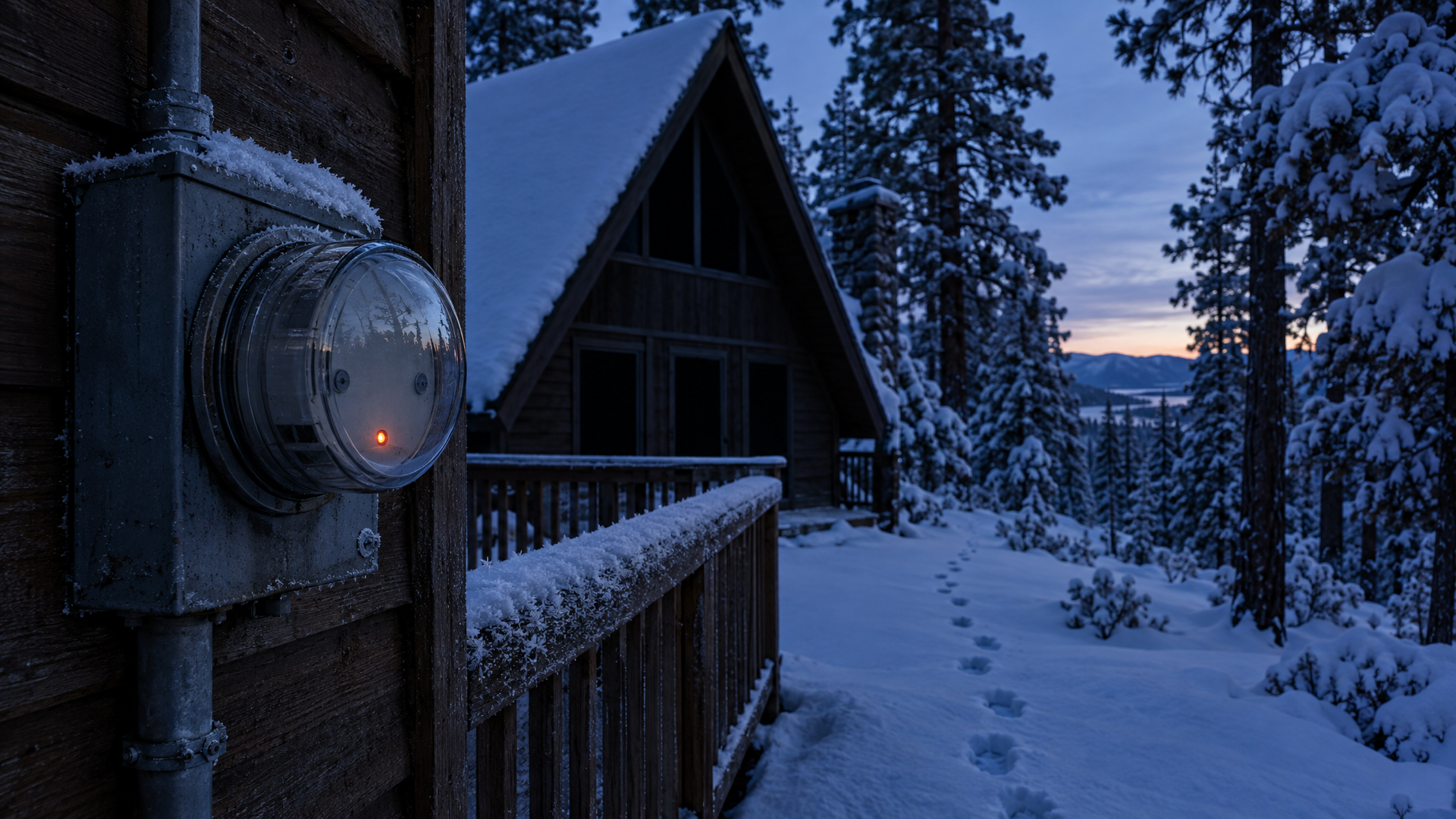
Your Lake Arrowhead cabin pays SCE's ~$24 fixed charge even when empty. What changed Oct 1, what shutting off power saves, and standby loads. (909) 403-4740
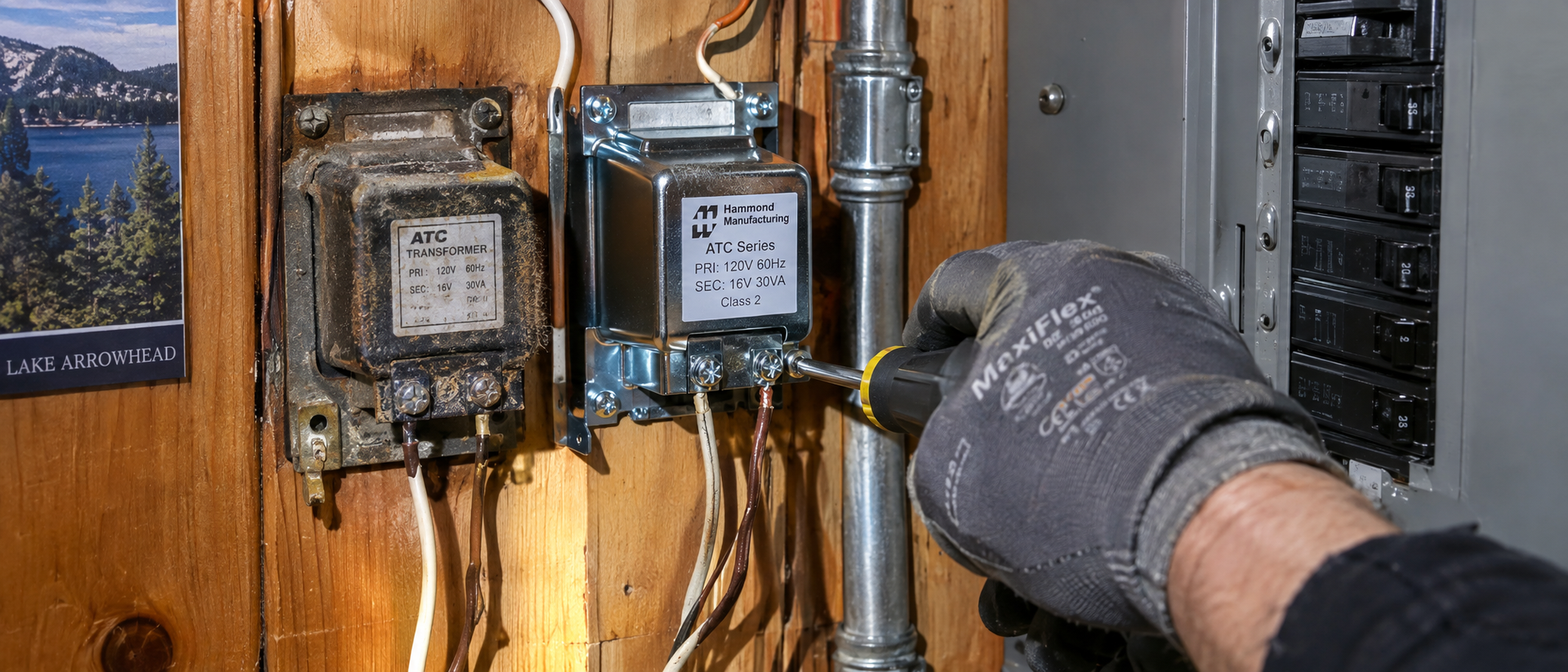
Old doorbell transformers built for simple chimes can't power a modern video doorbell. What voltage and VA rating actually work. (909) 403-4740.
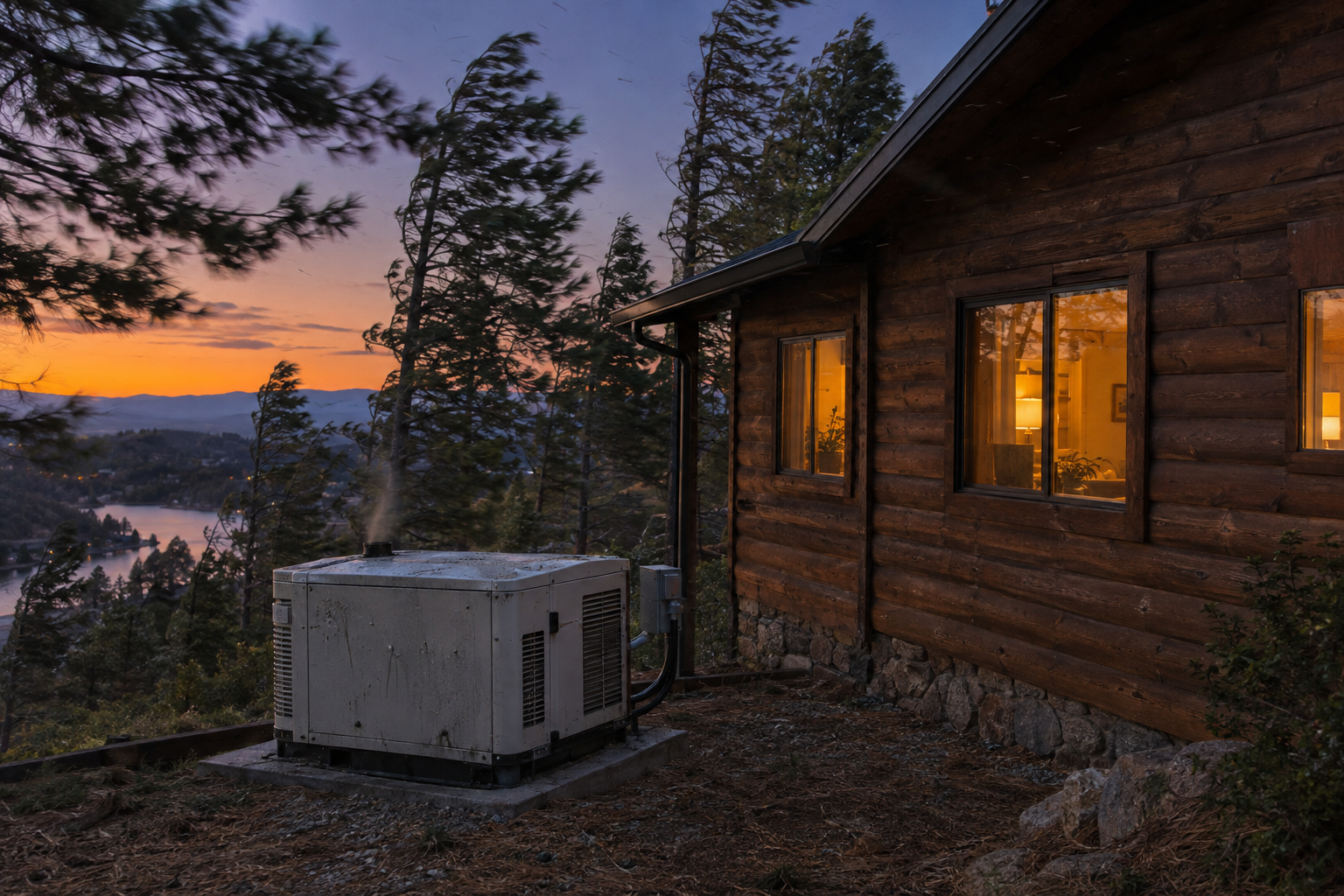
SCE can now shut off power earlier on high-risk circuits this fire season. What that means for Lake Arrowhead, and what to check before the next PSPS.
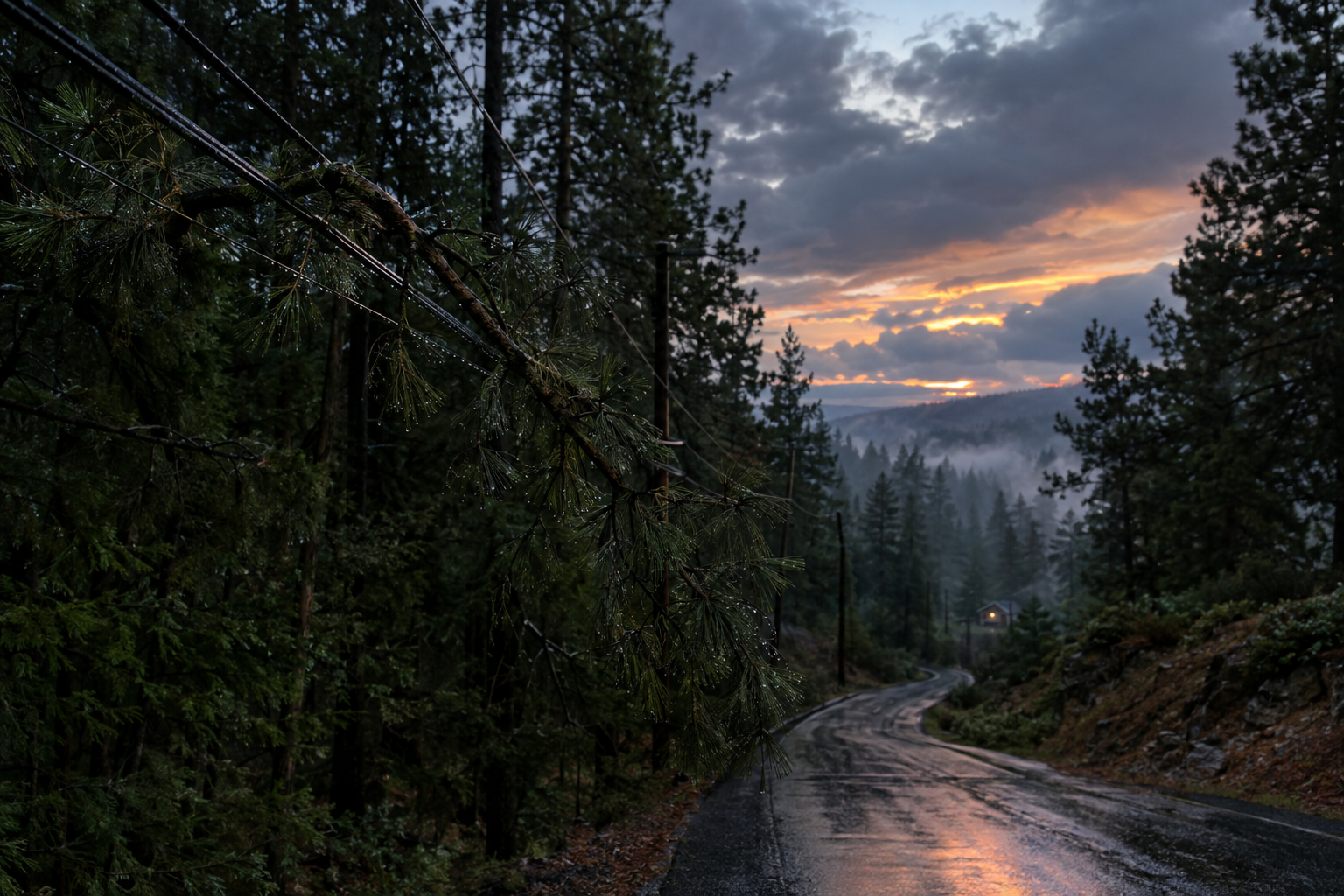
Storm damage doesn't hit evenly on the mountain — some properties lose power first and get it back last. Here's why, and what to do about it.
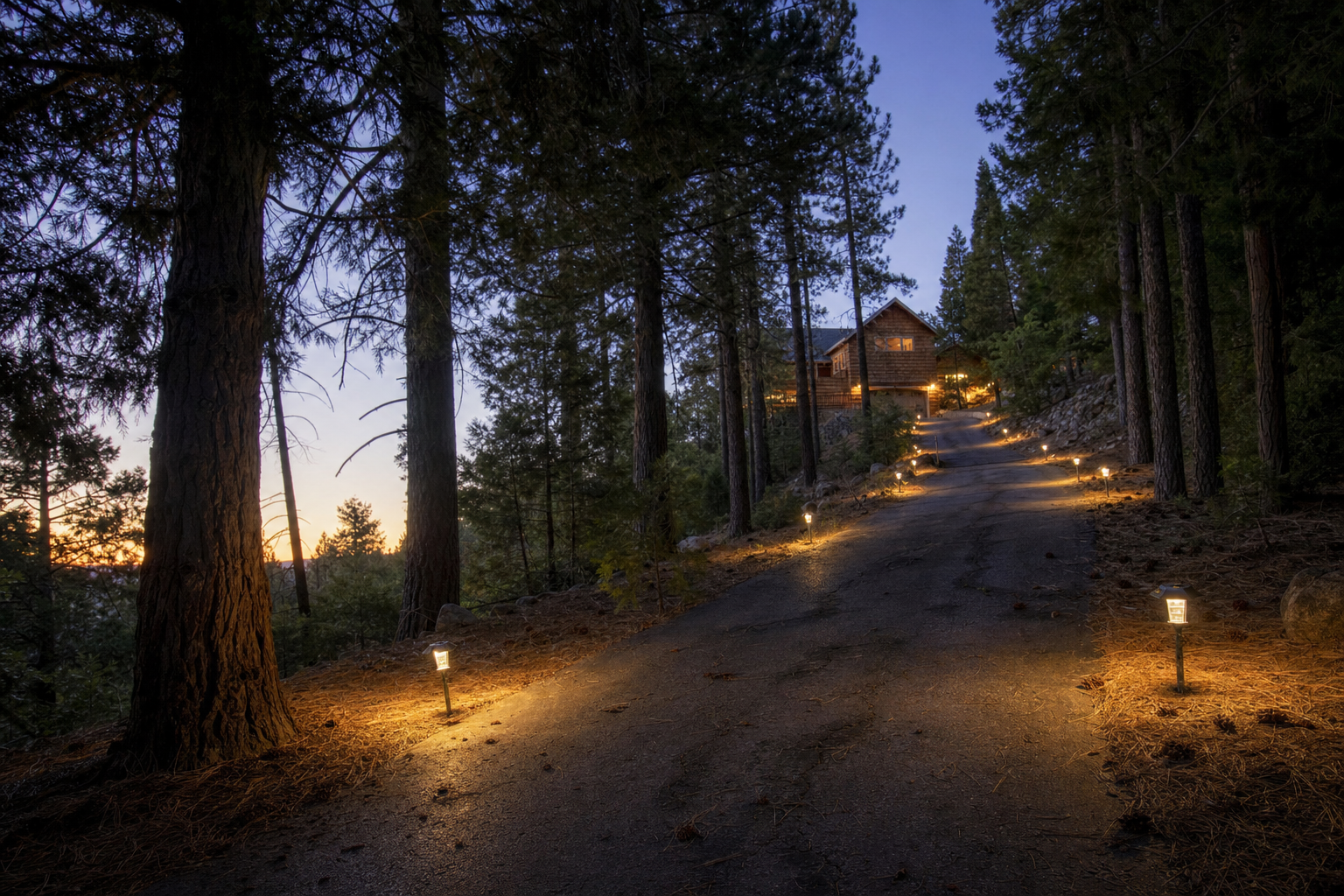
Steep driveways, dense forest, and vacant rental periods make outdoor lighting a safety issue in Lake Arrowhead, not just decor. (909) 403-4740.
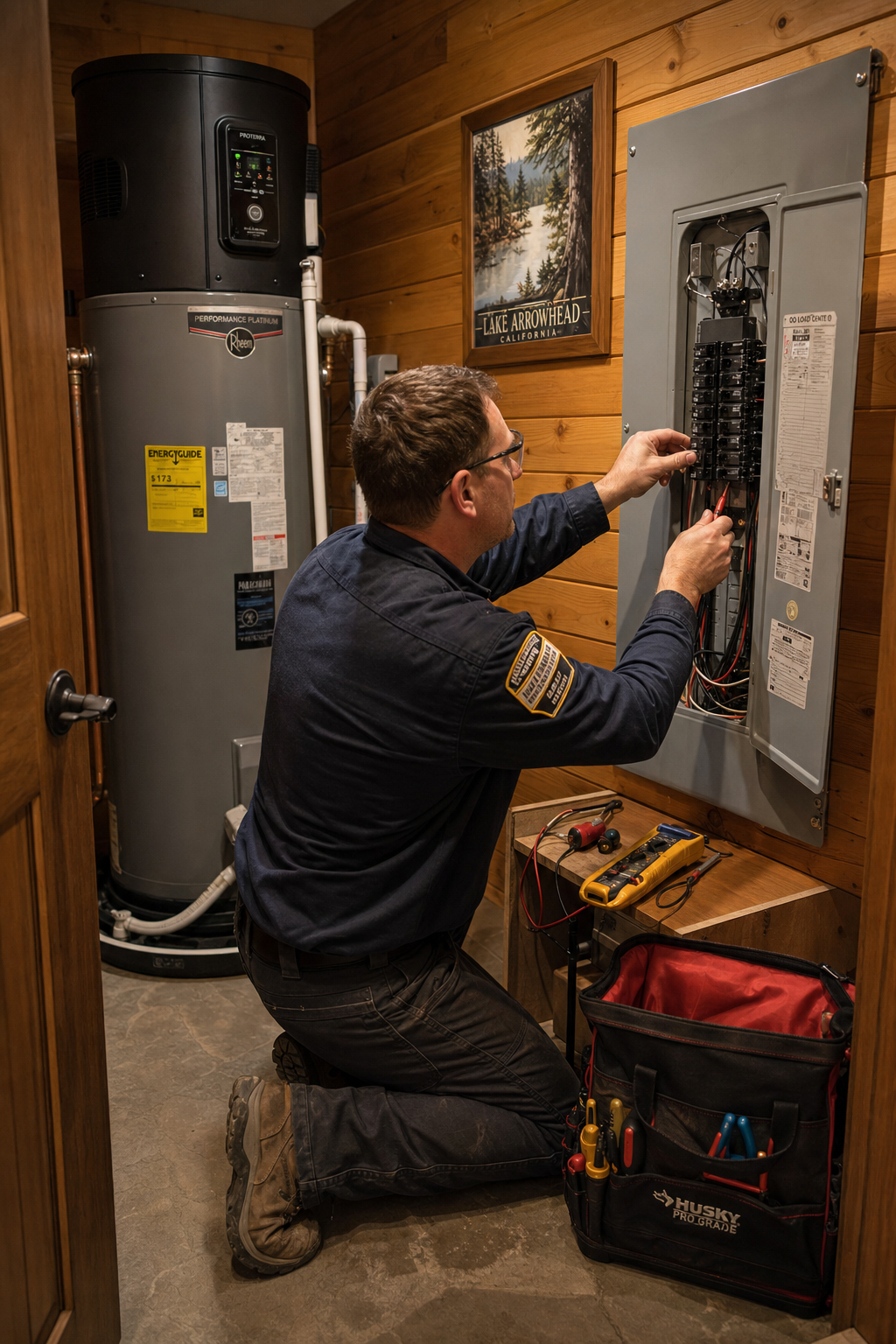
Heat pump water heaters need a dedicated 240V circuit (or a newer 120V plug-in model). What Lake Arrowhead homeowners should know before installing.
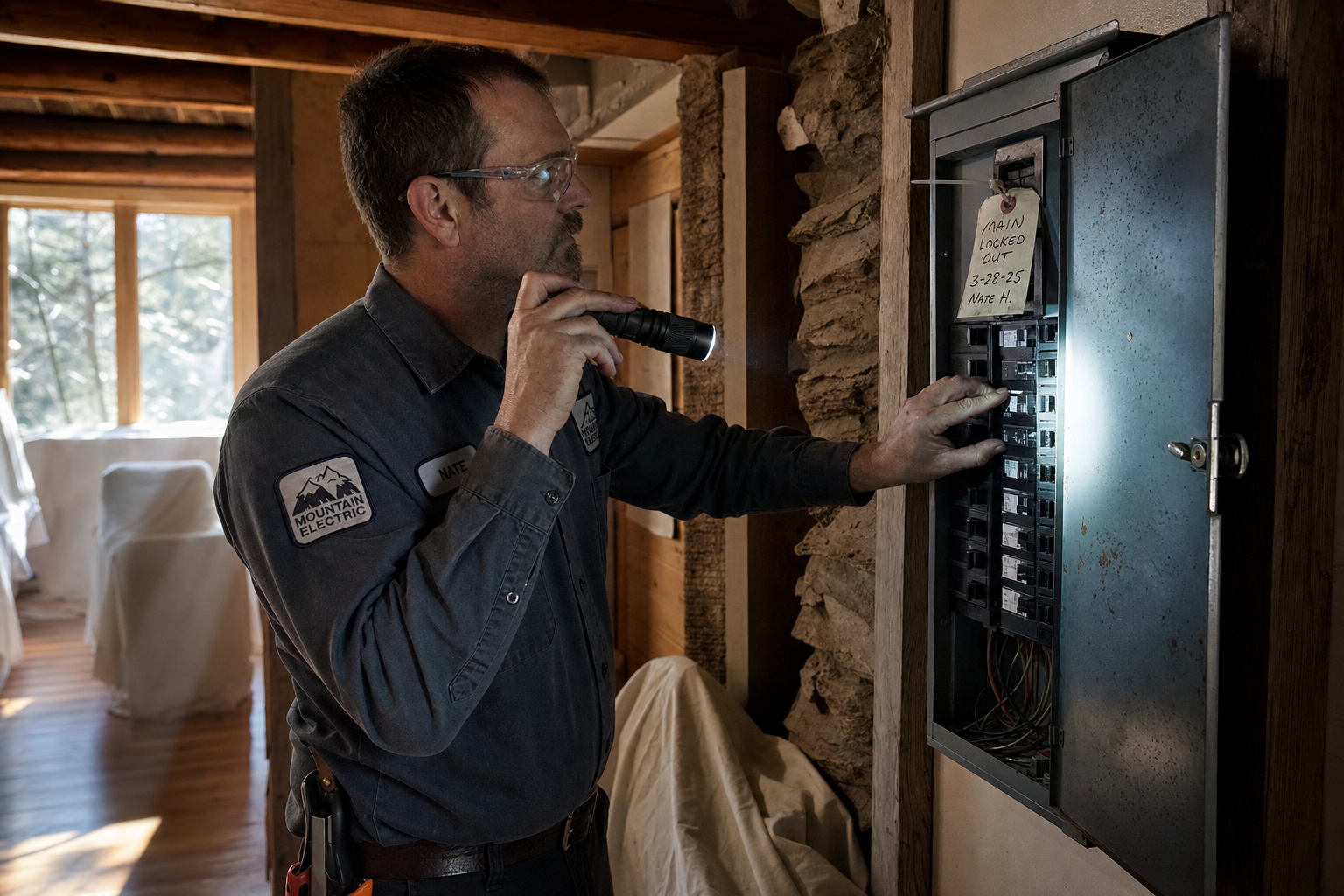
Flipping the main breaker blind in spring causes cabin fires. The proper shutdown and startup order for Lake Arrowhead cabin owners. (909) 403-4740.
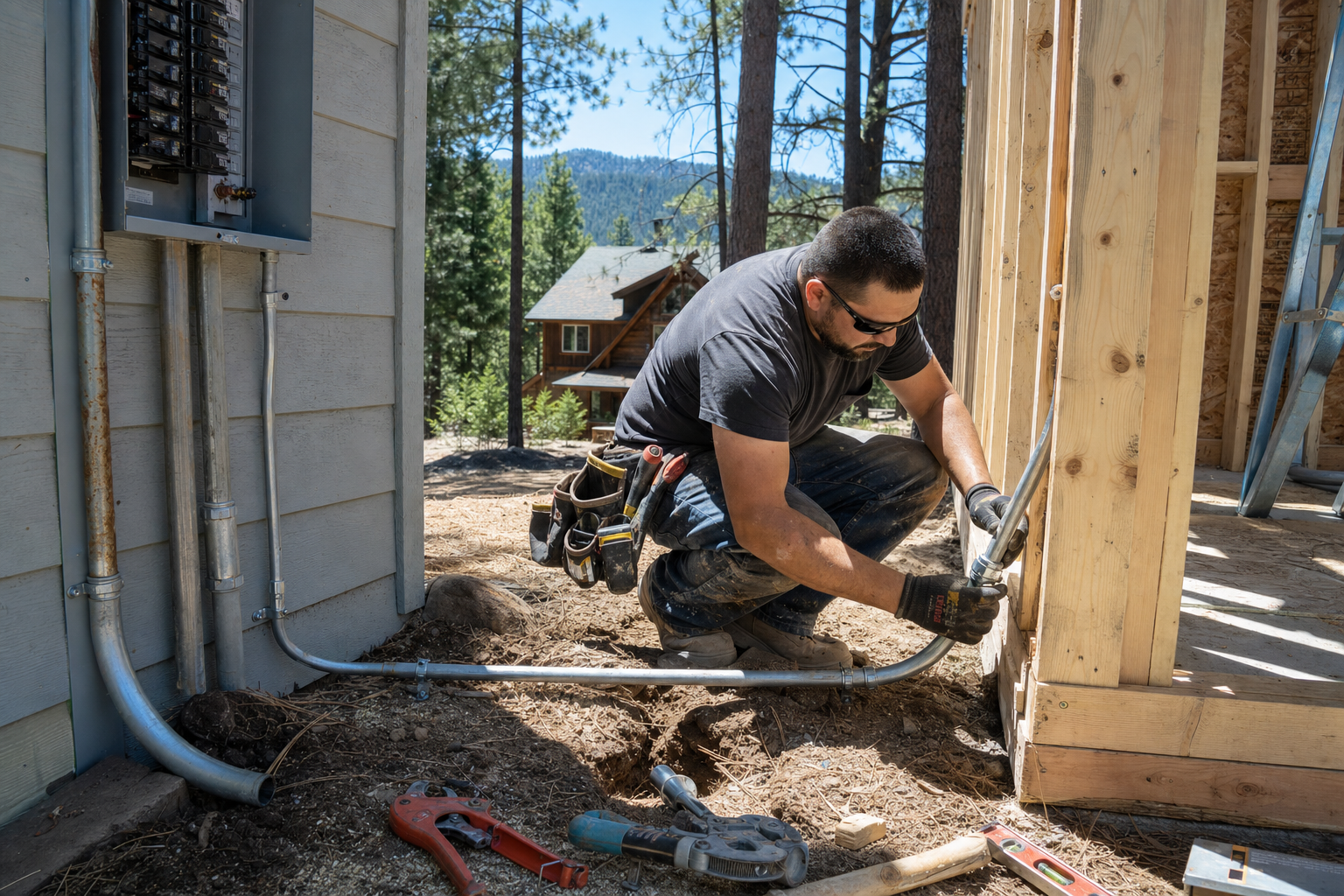
Building an ADU in Lake Arrowhead? What subpanel size, main panel capacity, and Title 24 EV-ready wiring you actually need. (909) 403-4740.
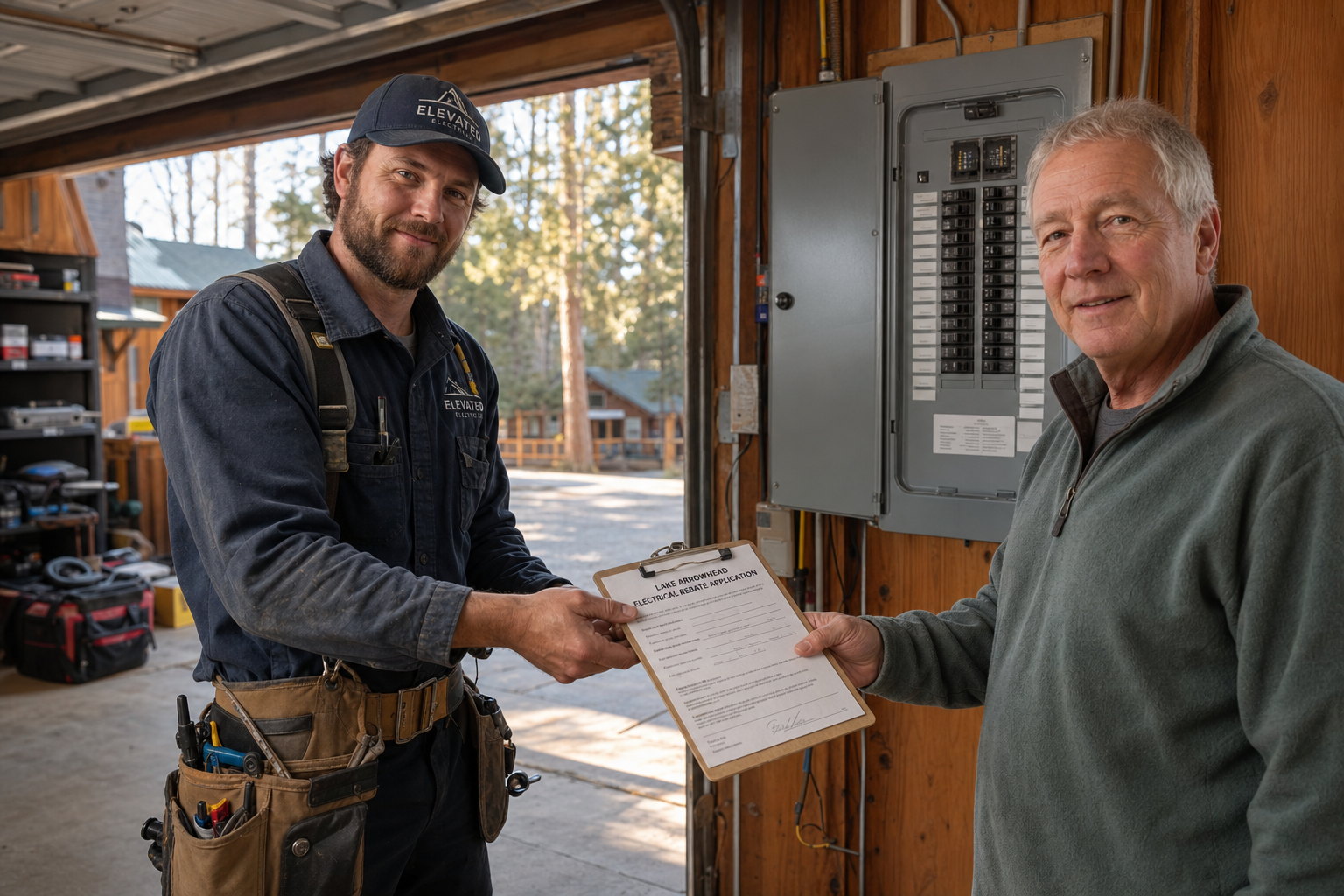
SCE's Charge Ready Home program covers up to $4,200 of your panel upgrade cost for EV charging in Lake Arrowhead. Eligibility & how to apply. (909) 403-4740.
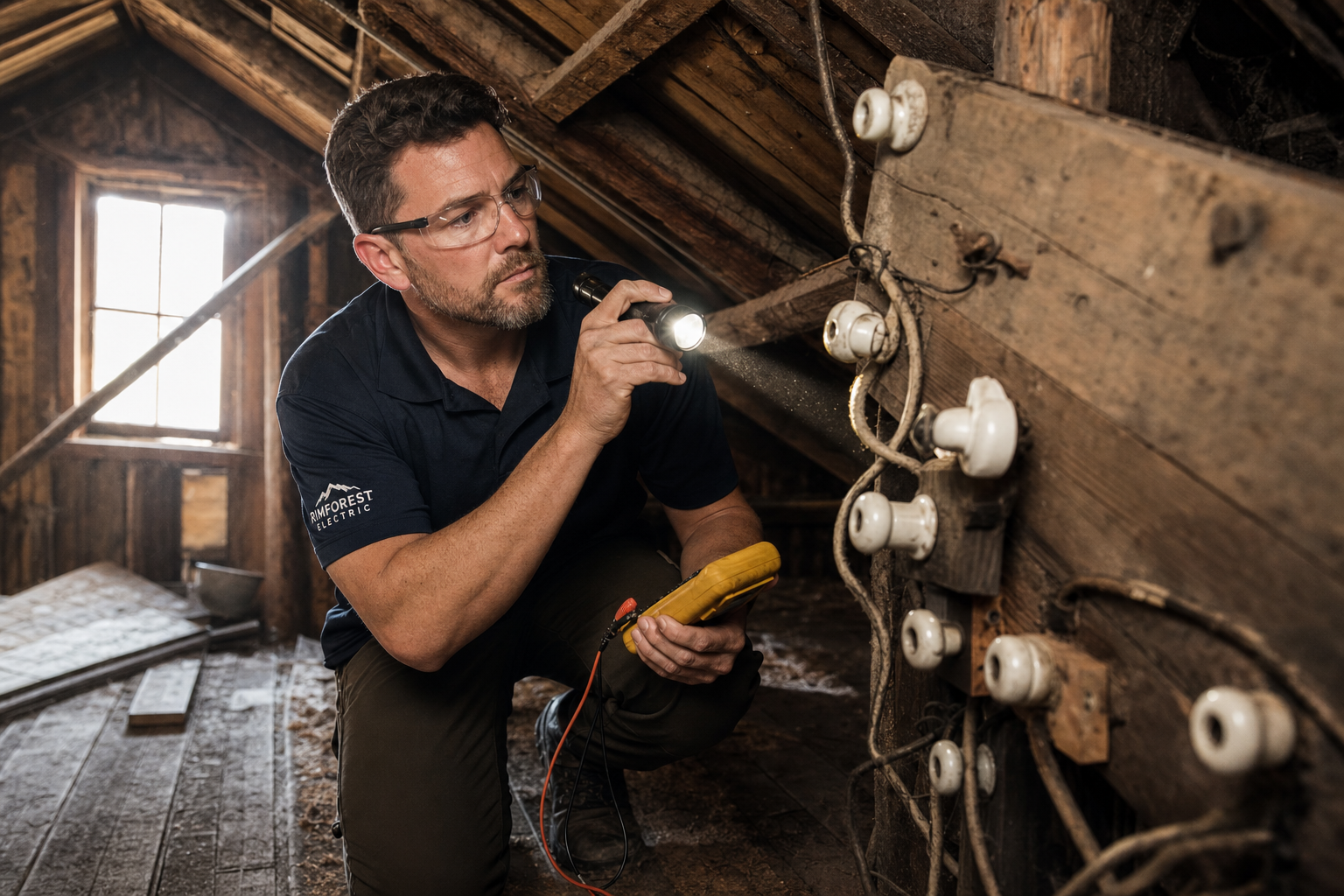
Electrician serving Rimforest, CA — home to the mountain's first 1870s wagon road and some of its oldest cabins. Knob-and-tube wiring & more. (909) 403-4740.