SCE Undergrounding in Lake Arrowhead: What You May Need to Do on Your Side of the Meter
SCE Undergrounding in Lake Arrowhead: What You May Need to Do on Your Side of the Meter
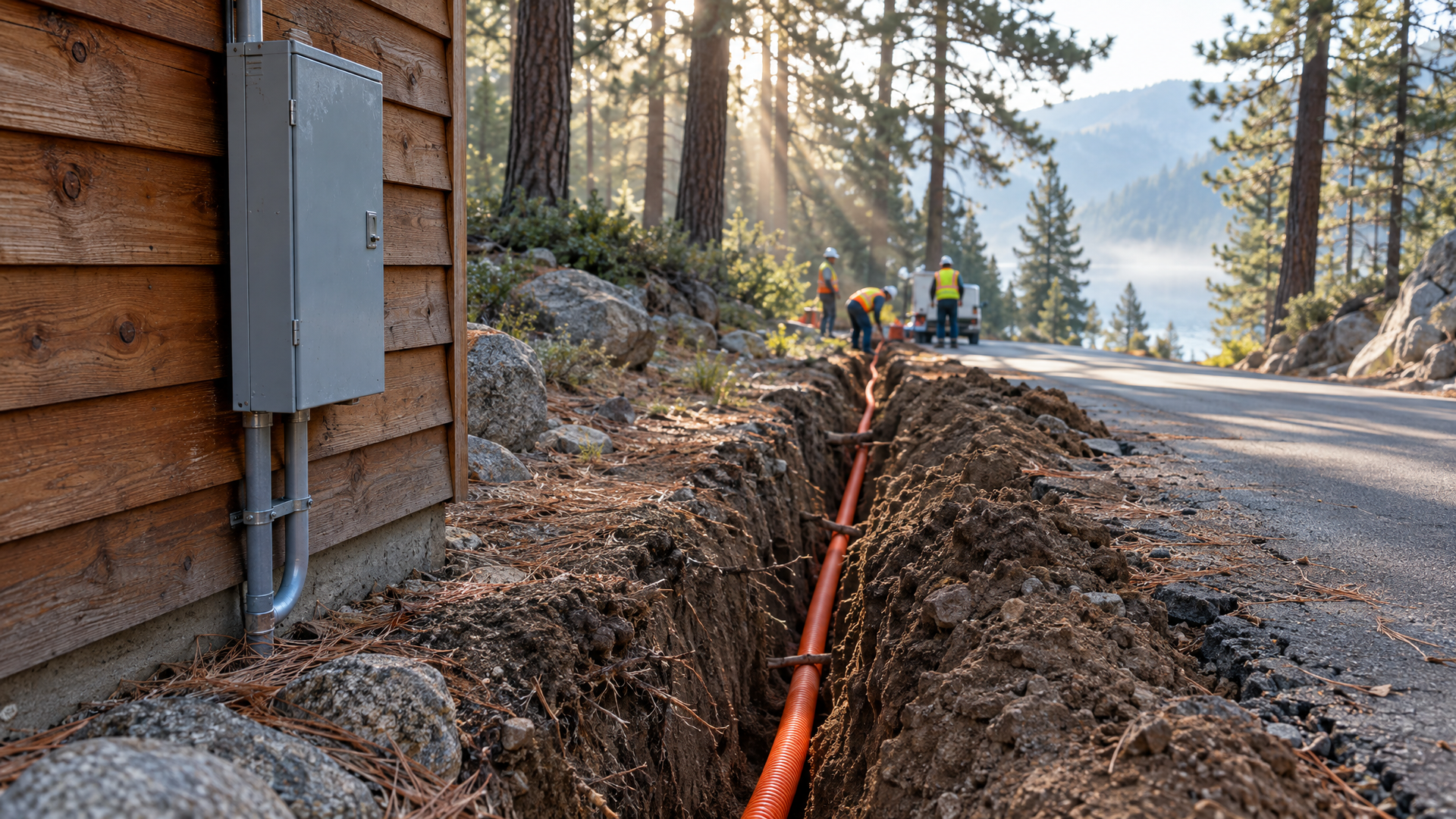
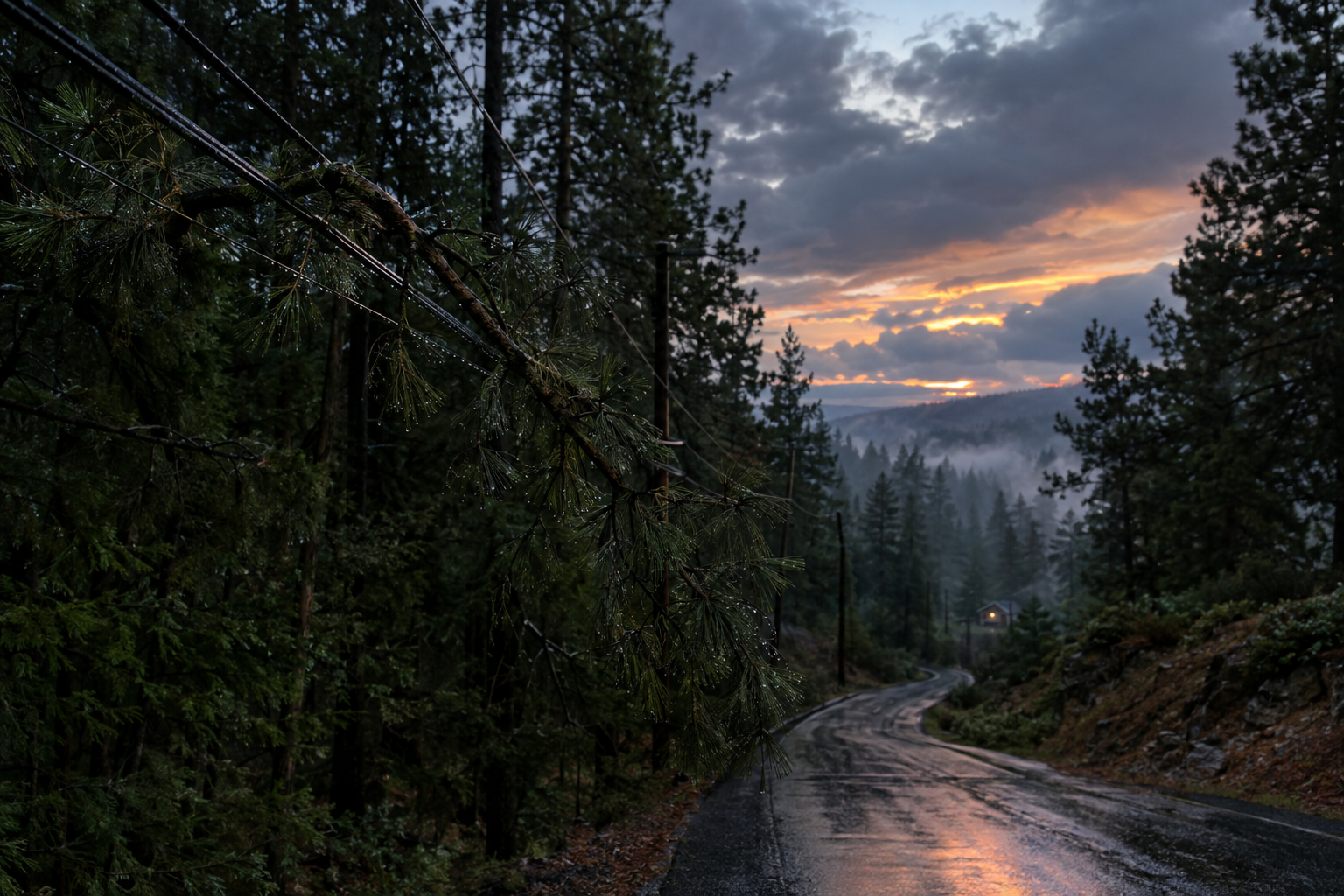
A letter from SCE arrives. It says crews will soon be working along your road, either replacing bare wire with coated wire or burying power lines underground. It sounds like good news, and mostly it is: a safer, more resilient grid in one of the most fire-prone places in Southern California.
Then you read further, and there's a part that's about you. Some of the work happens on your property, and some of the cost lands on your side of the meter.
What SCE is doing and why
SCE is replacing bare overhead wire with covered conductor, power lines with a durable protective coating that helps prevent sparks when something like a flying tree branch or an animal touches the line. In the highest-risk areas it is also moving lines underground, in what it calls targeted undergrounding. SCE says the goal is to reduce wildfire ignition risk and increase reliability during high winds and storms.
For the San Bernardino Mountains, with dense pines along the Rim of the World Highway and communities like Blue Jay, Twin Peaks, Cedar Glen, Skyforest, Rimforest, and Crestline, that's a big deal. SCE's grid hardening page has a map showing which locations have completed or planned covered conductor or undergrounding work. Type in your address first, because the rest of this post depends on what it shows.
The part that surprises homeowners
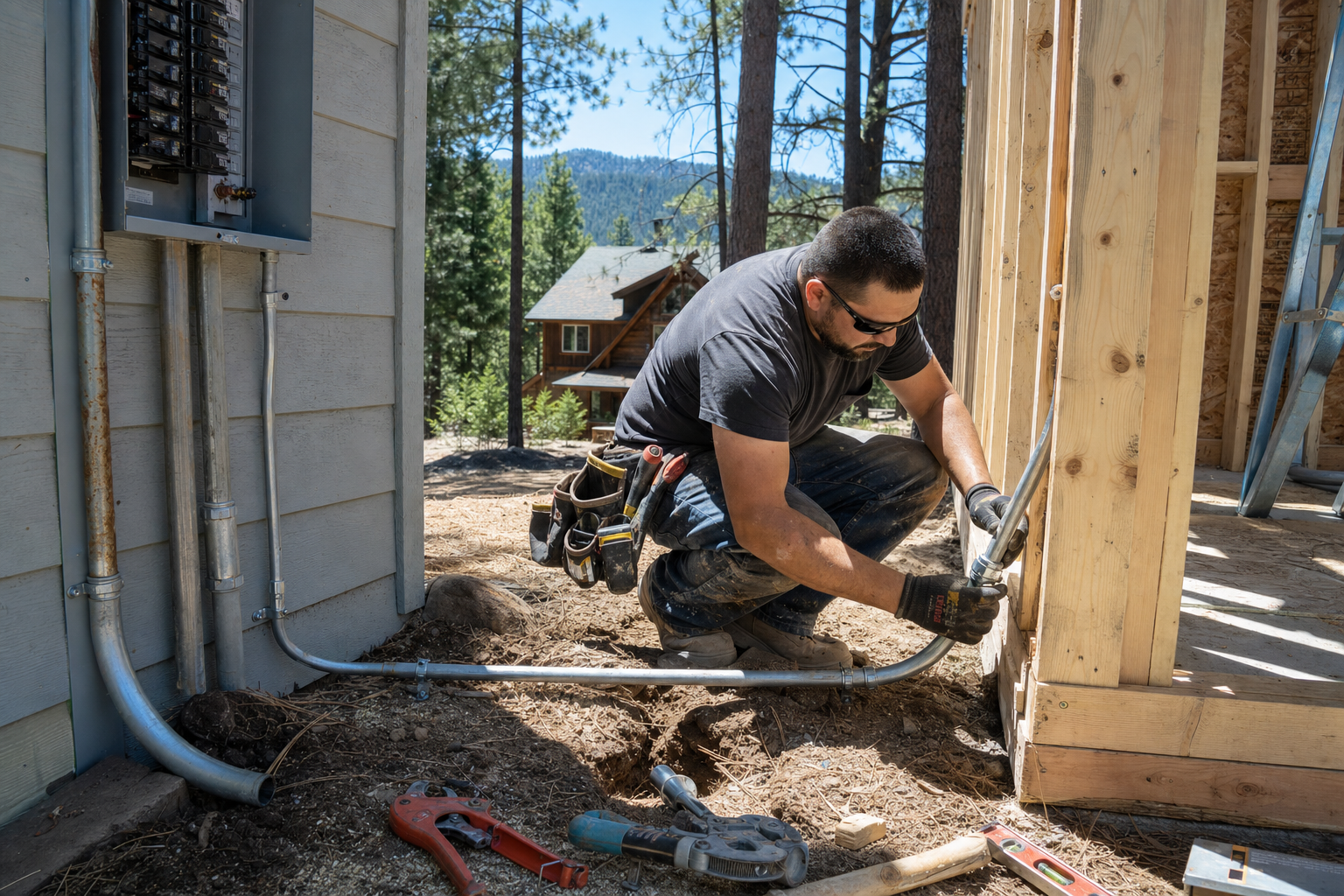
SCE's targeted undergrounding page says that under current CPUC-approved tariff rules, customers are responsible for the cost of undergrounding the service line, the connection between SCE's equipment and your own electrical panel. It says those civil construction costs are typically paid to a private, licensed contractor the homeowner hires to install the underground service line on their property.
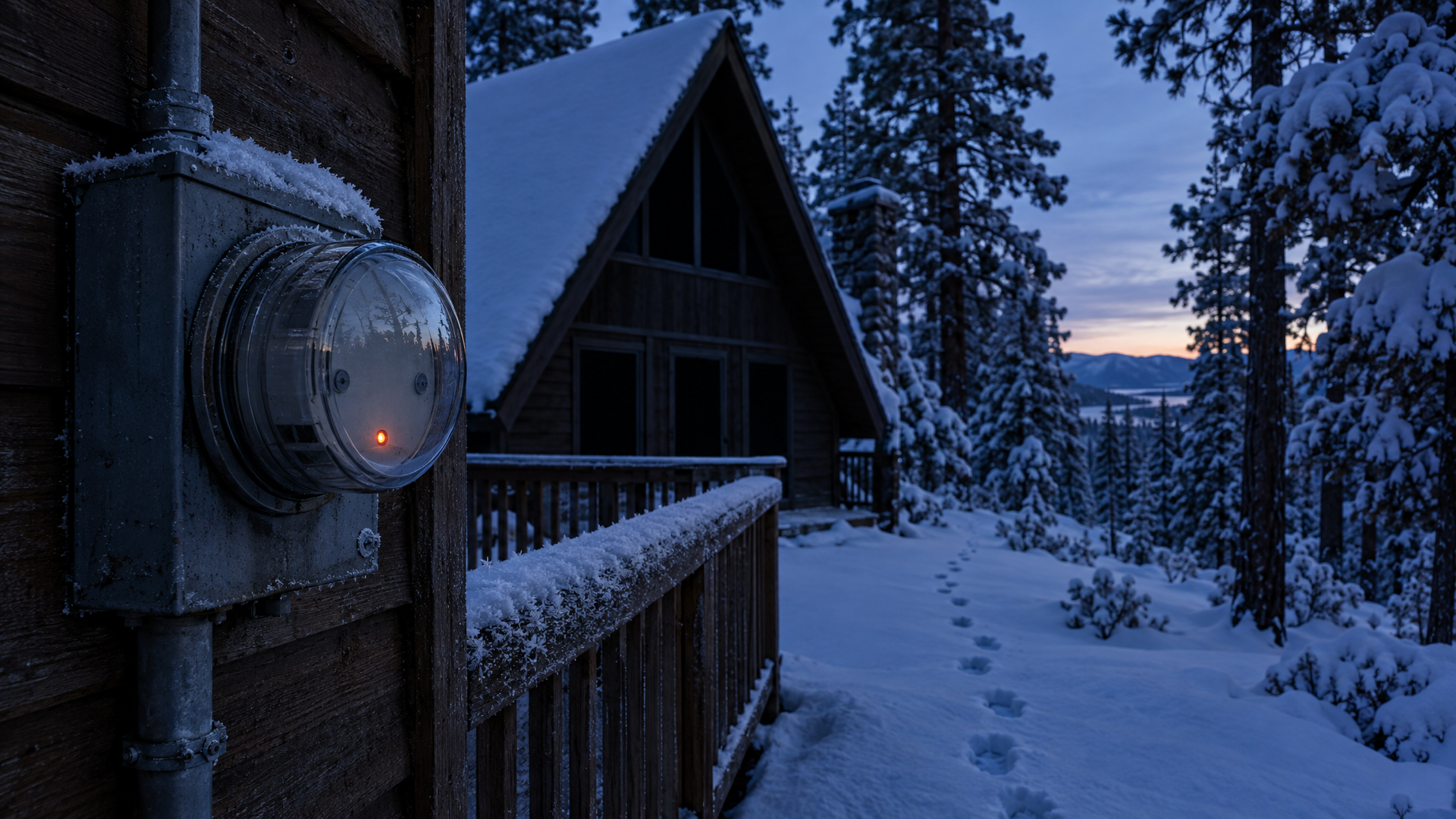
SCE builds the underground system up to your property line and owns the equipment and the meter on the outside of the home. For rebuilt homes, SCE's own description says the owner completes the trenching and conduit that connect SCE's equipment to the customer-owned panel. Different SCE programs split costs differently, so read your notice and ask SCE what applies to your project.
Your options
- Underground your service line. This is the path SCE describes for connecting to the new underground system. The cost of the service line on your property is yours.
- Stay overhead with covered conductor. SCE says there is currently an option for standing homes to keep an overhead service connection with covered conductor. Because that language comes with "at this point," confirm it with SCE before you rely on it.
Another thing to know: SCE says it sometimes needs an easement across private property for underground equipment, and that if one customer declines, the entire neighborhood may not be able to get underground lines. That's a decision worth understanding before you respond to a request. Ask questions, and read what you're signing.
What to do before work starts
- Check the map for your address, then read any notice SCE sends and keep it.
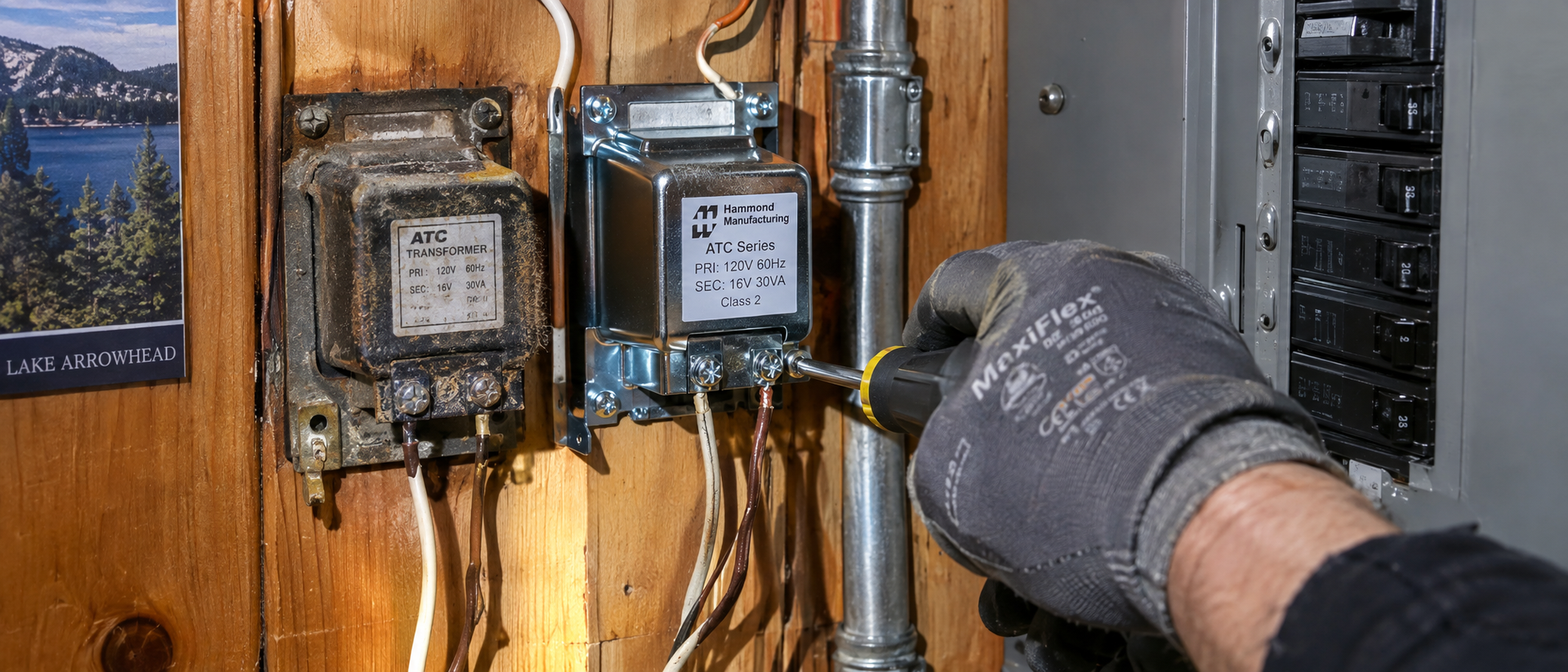
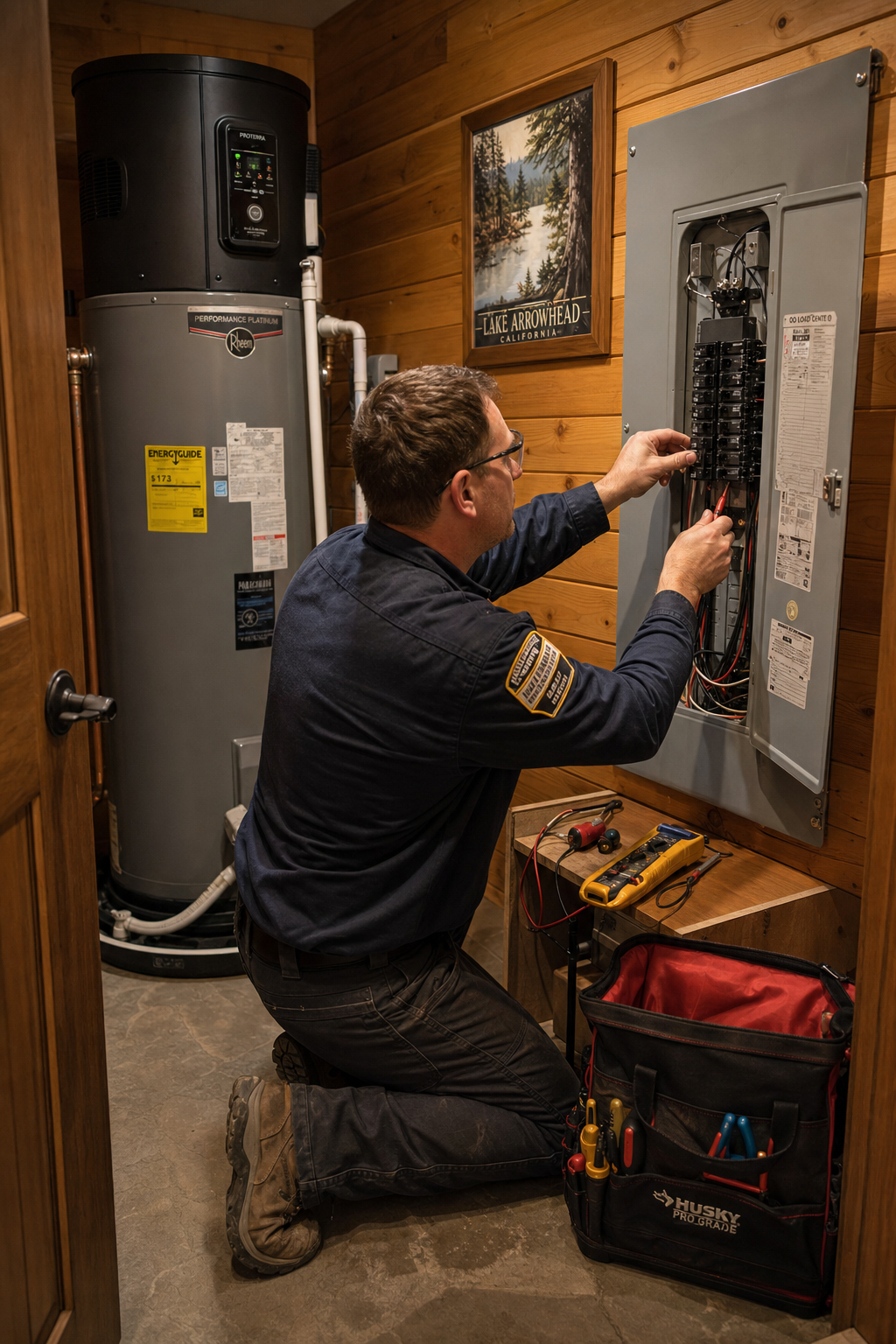
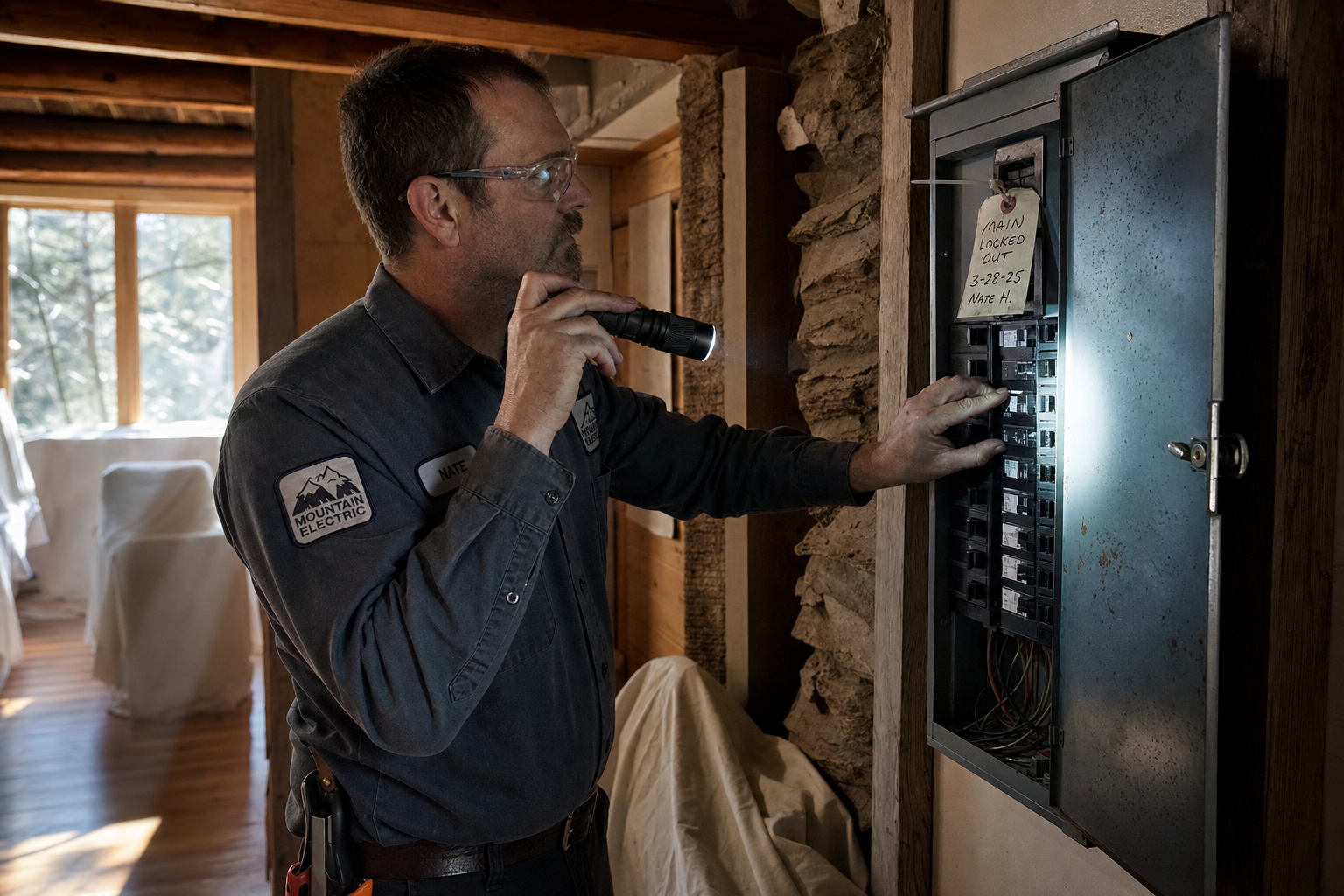
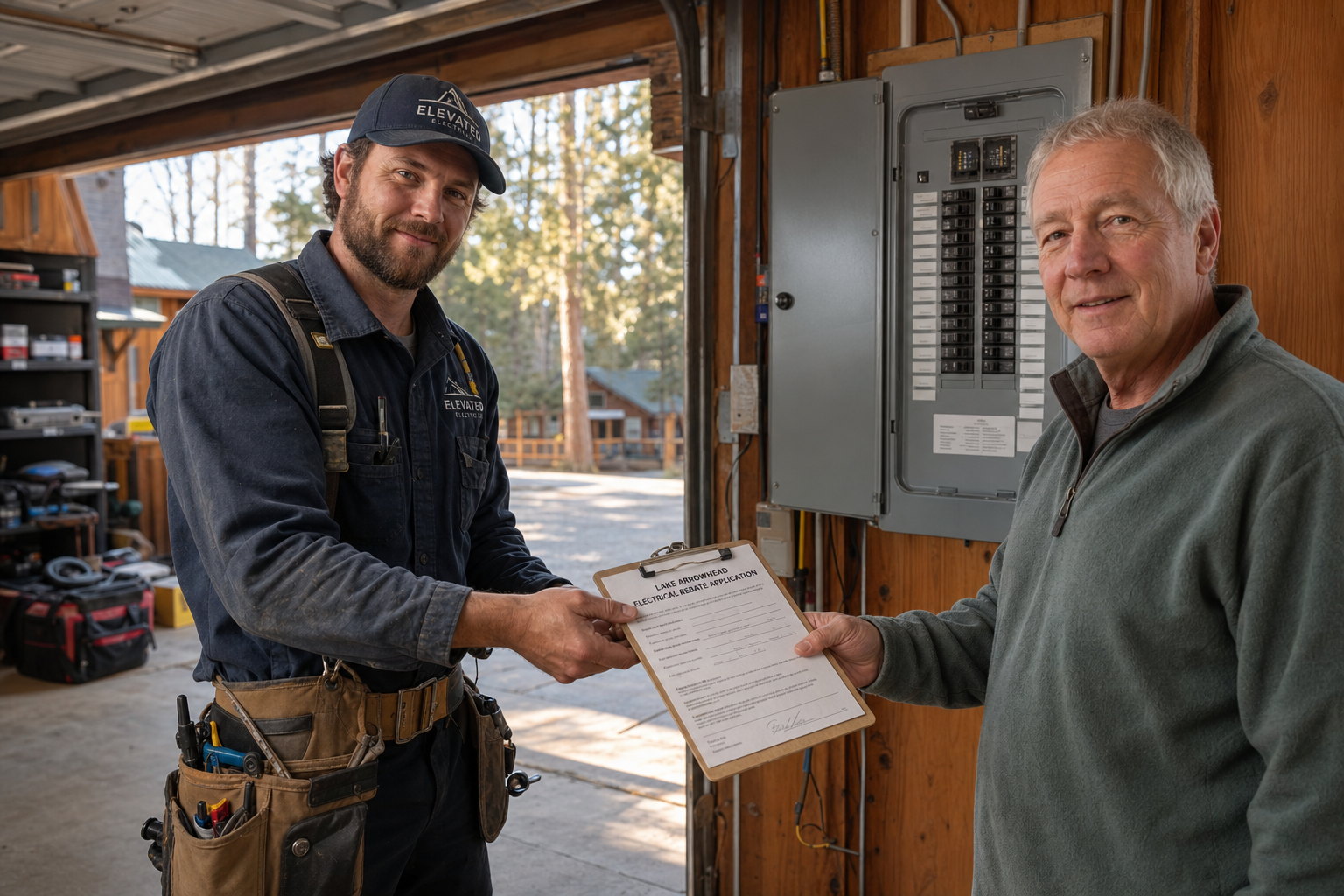
- Get your panel and meter equipment evaluated now. A panel that's old, undersized, or from a brand insurers now flag can complicate a new underground connection, and it's cheaper to find out before the trench is open. See our guides to panel upgrades and smart panels and whole-house surge protection.
- Get written quotes for the trenching and conduit and for the electrical connection. Ask who pulls the permits and who handles inspections, and what's included.
- Think about your trees. Trenching in a forest can damage roots. If your property is within Arrowhead Woods, ask the Arrowhead Lake Association whether your project needs approval.
- Plan for outages during the work. SCE acknowledges customers may have temporary outages while it works. Our 24-hour power shutoff checklist works for planned outages too.
What it won't fix
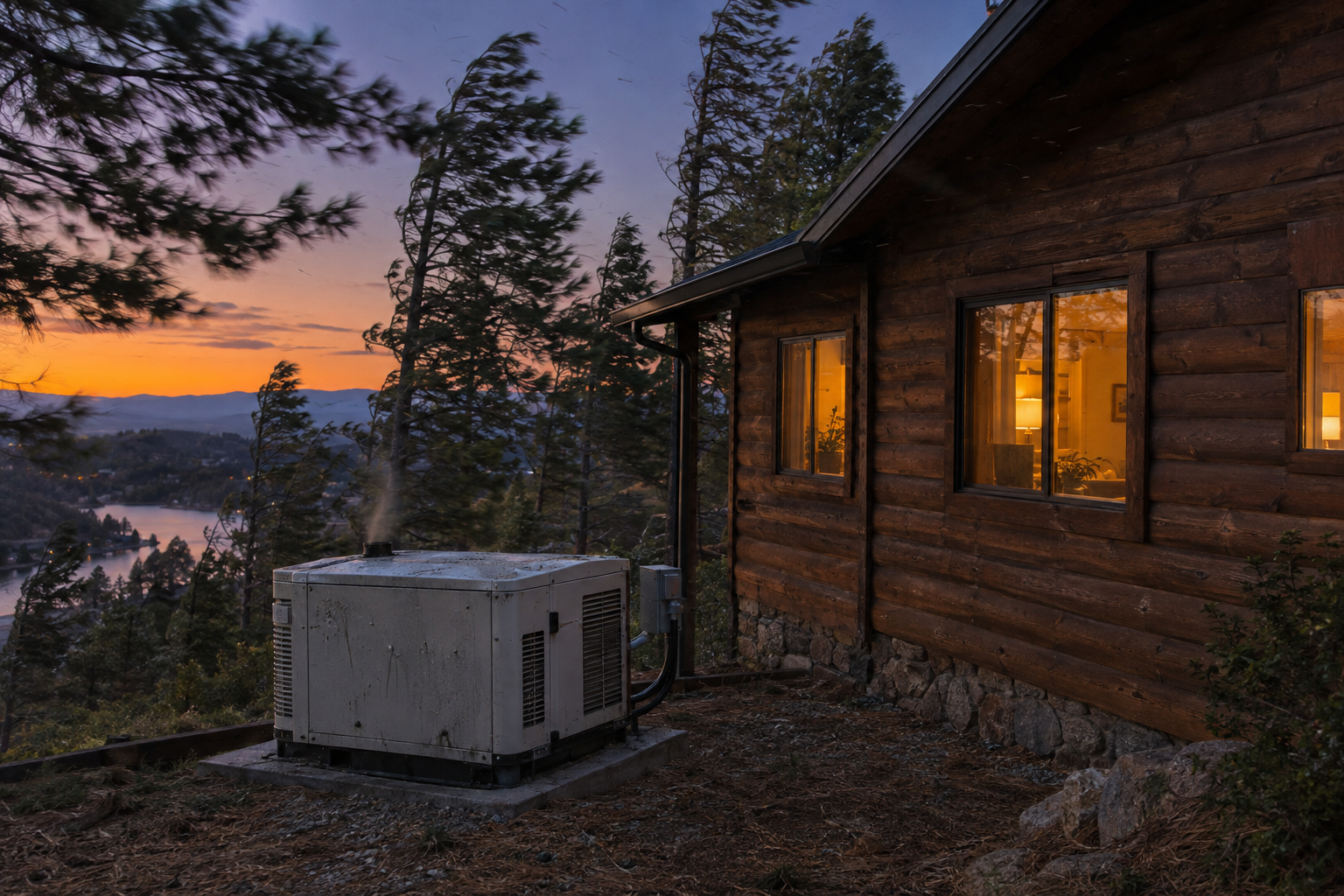
Undergrounding and covered conductor reduce certain risks, but they don't prevent every outage. On August 5, 2025, a locomotive strike on grid equipment knocked out power to about 17,000 customers across Lake Arrowhead, Blue Jay, Cedar Glen, Rimforest, Crestline, Skyforest, and Running Springs, and some businesses lost power for most of the day. A generator or battery backup still makes sense, as does understanding why some Lake Arrowhead cabins lose power first.
Questions about SCE's undergrounding work
Do I have to pay for SCE's undergrounding?
SCE says customers pay to underground the service line on their own property, which connects its equipment to your panel. It builds and owns the underground system up to your property line.
Can I keep my overhead service?
SCE says that at this point there is an option for standing homes to remain overhead with covered conductor. Confirm it applies to your address before you decide.
Will it stop my power outages?
SCE says undergrounding makes the system more reliable in high winds and storms by shielding it from vegetation and debris, but it can't prevent every outage, and the work itself can cause temporary ones.
Got a notice from SCE, or want your panel and service evaluated before the trench opens?
Call Lake Arrowhead Electrical at (909) 403-4740 now, before the work is scheduled, and we'll tell you what your side of the meter will need.