Lake Arrowhead Cabin Electric Bills: What SCE's Fixed Charge and October 1 Rate Change Mean for a Seasonal Home
Lake Arrowhead Cabin Electric Bills: What SCE's Fixed Charge and October 1 Rate Change Mean for a Seasonal Home
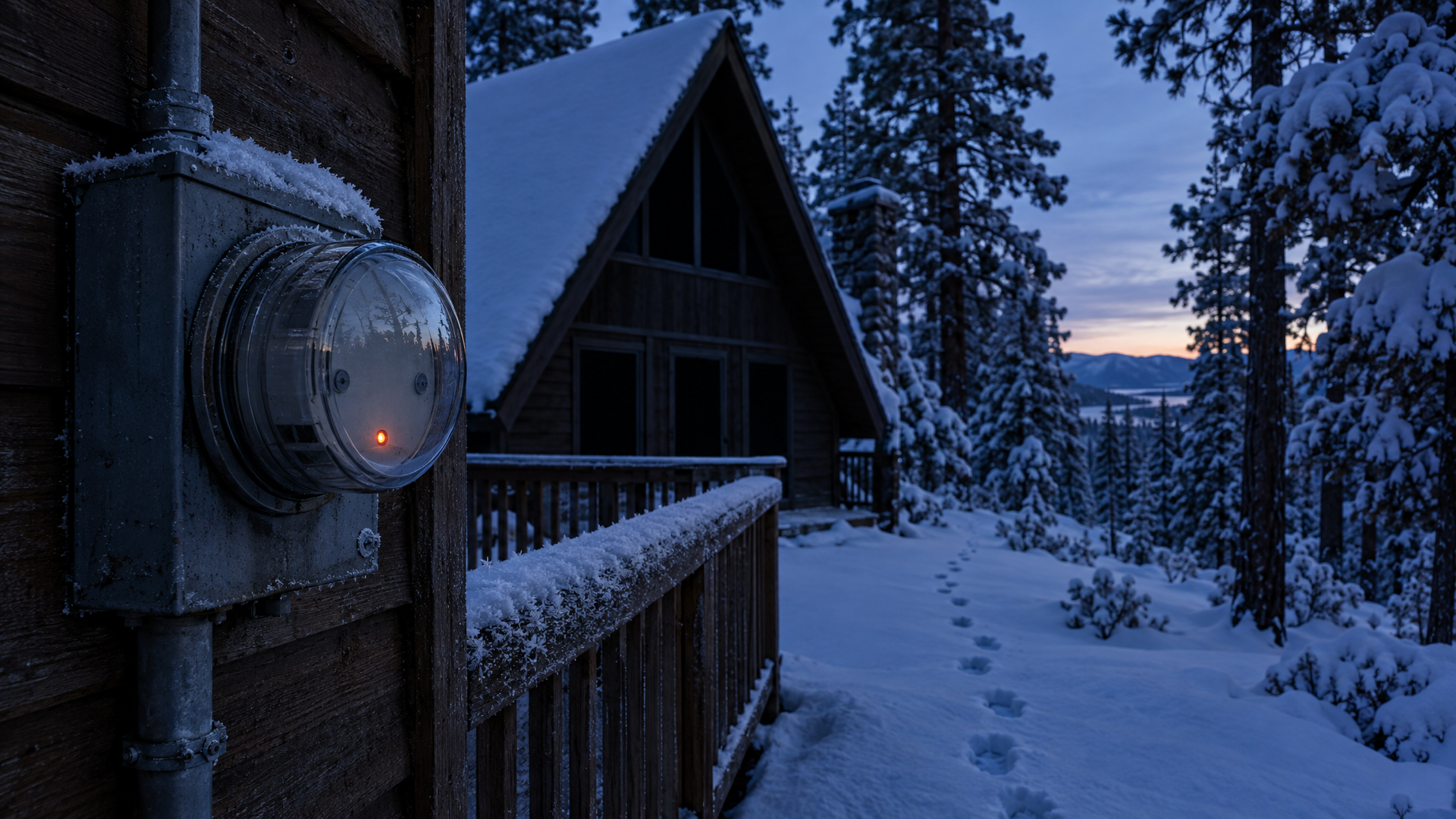
You open up the cabin after a month away. The lights come on, the pipes are fine, and the SCE bill that arrived while you were gone shows almost no usage. It also shows a charge of about $24, which is what you paid for the electricity you didn't use.
That isn't a billing error. For a lot of Lake Arrowhead owners, it's now the largest line on the bill for a month the cabin sat empty.
The charge that doesn't care whether you're there
Since November 2025, SCE has billed every residential customer a fixed Base Services Charge. It comes from a state law, AB 205, which told the CPUC to move some fixed grid costs out of the per-kilowatt-hour price and into a flat monthly fee. SCE's own materials describe the standard amount as $24.15 a month, which SCE bills as a daily charge. Its time-of-use plan page lists it at $0.79 per day. Customers on the CARE discount pay about $6, and FERA customers about $12.
SCE's page says it directly: if you have zero usage, you still receive the Base Services Charge. It replaced the old minimum charge. Solar customers pay it too.
Here's the part that matters for a part-time cabin. SCE says customers with higher-than-average usage may see a bill decrease, and customers with lower-than-average usage who aren't on an income-qualified program may see an increase. A cabin that's used a few weekends a month is exactly the second kind of customer.
What changed on October 1
SCE's rates changed again on October 1, 2026. According to its rate advisory, an average residential customer would see about $2.79 more per month, roughly 1.5%. SCE attributes the change to the implementation of the second phase of its 2025 General Rate Case, which shifts a modestly greater share of costs onto residential customers. That is partly offset by the removal of about $628 million in costs it has fully recovered.
An increase of about $2.79 a month is small next to the roughly $24 fixed charge. For a seasonal cabin, the fixed charge is the bigger structural cost.
Does shutting off the power at the cabin avoid it?
No. The Base Services Charge follows the account, not the usage. Flipping the main breaker saves you the standby loads that run while you're away. It doesn't touch the fixed charge.
The only way to stop it is to close the service account, and for a mountain cabin that has real downsides. Without power you lose freeze protection for the pipes, any sump or well pump, smoke detectors, and security lighting, and you'd have to go through a reconnection process. Talk to SCE before deciding, and weigh it against what a frozen pipe costs.
The standby loads you can safely cut
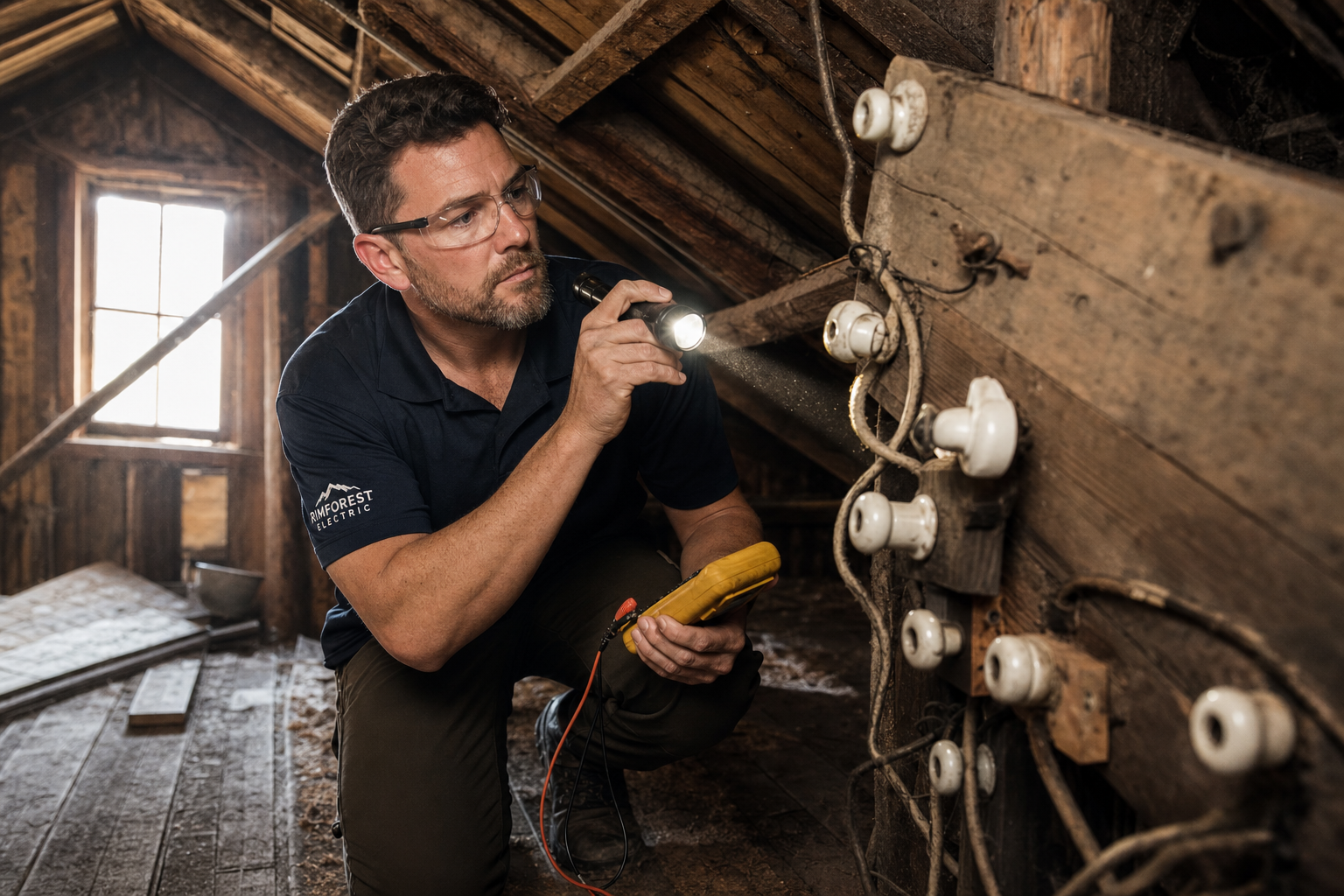
If the fixed charge is fixed, the kilowatt-hours are the part you control. Our seasonal cabin shutdown guide covers the full procedure. The short list of what usually keeps running while a cabin sits empty:
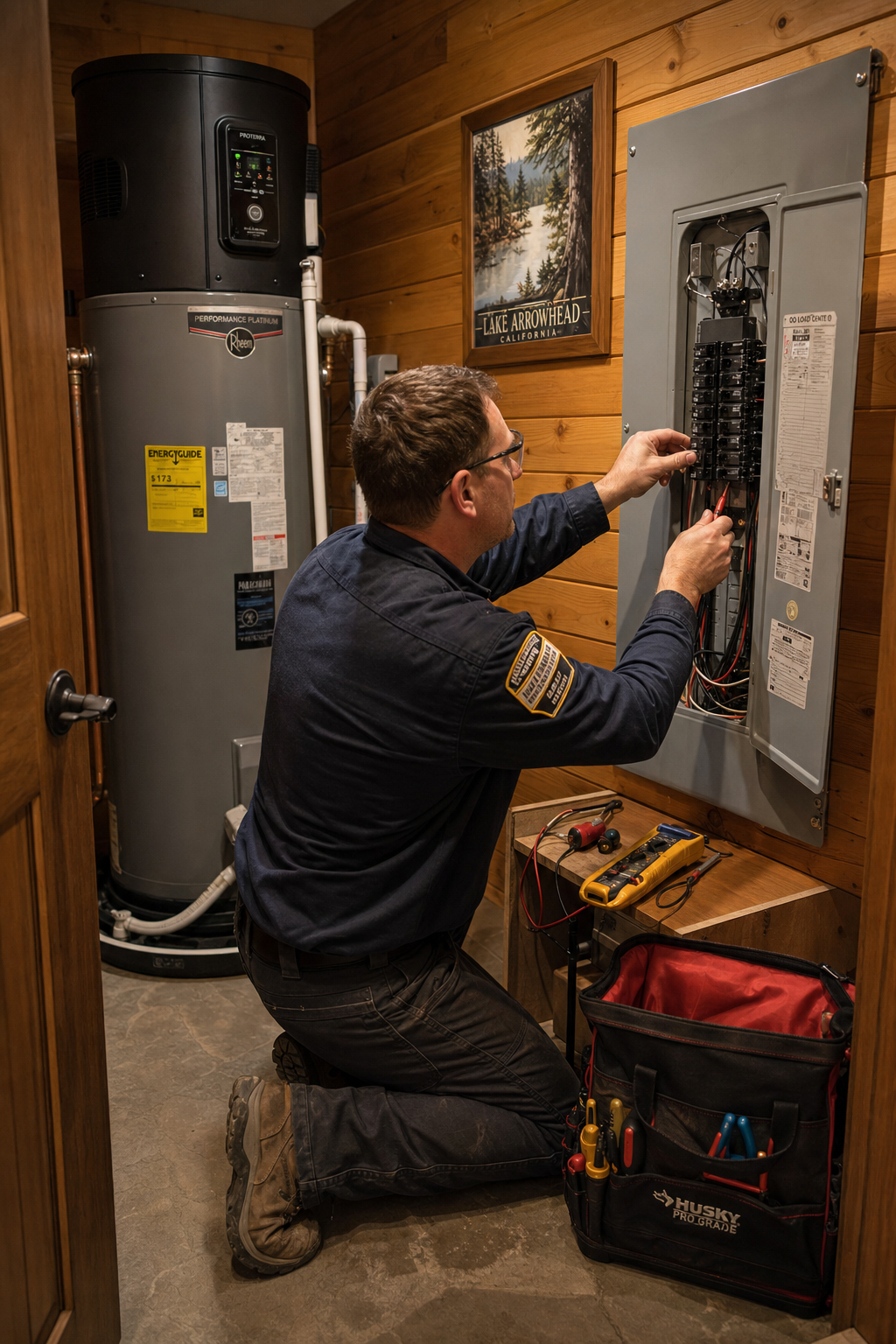
- The water heater. Turn it down or off following the manufacturer's instructions for extended absences.
- The hot tub. Either shut it down correctly or run it on a low-temperature economy setting with a good cover, depending on how long you'll be away.
- Pipe and gutter heat cable. Keep these on thermostat or sensor controls, and don't turn them off in freezing weather to save a few dollars. A burst pipe costs far more than the electricity.
- Always-on electronics. Routers, TVs, chargers, and anything with a standby light can go on a smart plug or a power strip you switch off when you leave.
- The thermostat. A remote-monitored thermostat or temperature sensor lets you lower the setpoint to a safe freeze-protection temperature and check on the cabin from home.
Is a time-of-use plan worth checking?
Possibly. SCE's time-of-use plans put their highest prices on weekday evenings, and a cabin used mostly on weekends may come out differently than it would on the standard tiered plan. Every plan carries the same fixed charge, so the comparison is only about the per-kWh pricing. SCE's Rate Plan Comparison Tool will run your actual usage, and the result depends on how you use the cabin.
When an electrical upgrade pays for itself
If you're at the cabin often enough, a heat pump water heater uses far less electricity than a conventional electric tank, and it needs the dedicated circuit we describe in that guide. If you heat with electric baseboards on arrival days, a thermostat you can raise remotely lets you preheat the cabin before you drive up instead of running it all week.
Questions about the fixed charge and cabins
Do I pay the Base Services Charge if my cabin uses zero electricity?
Yes. SCE states that a customer with zero usage still receives it.
Does installing solar at the cabin remove it?
No. SCE says residential customers, including solar customers, pay the Base Services Charge.
Is the fixed charge the same on every SCE rate plan?
It applies to residential rate plans, with CARE and FERA customers paying reduced amounts. The per-kilowatt-hour pricing is what differs from plan to plan.
Want to know what's actually running in your cabin while you're away, and what can safely be shut down or put on controls?
Call Lake Arrowhead Electrical at (909) 403-4740 and we'll walk through it with you.