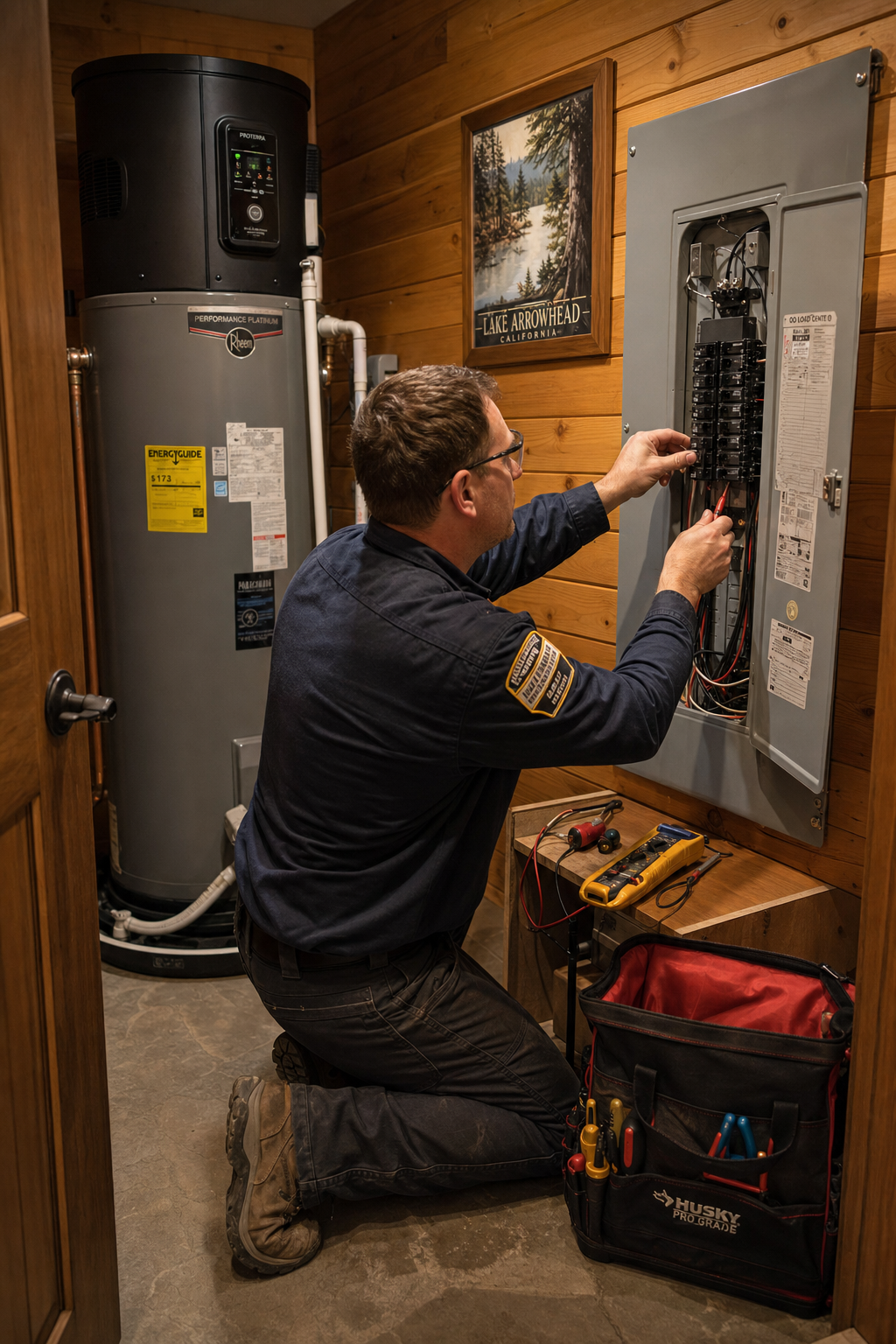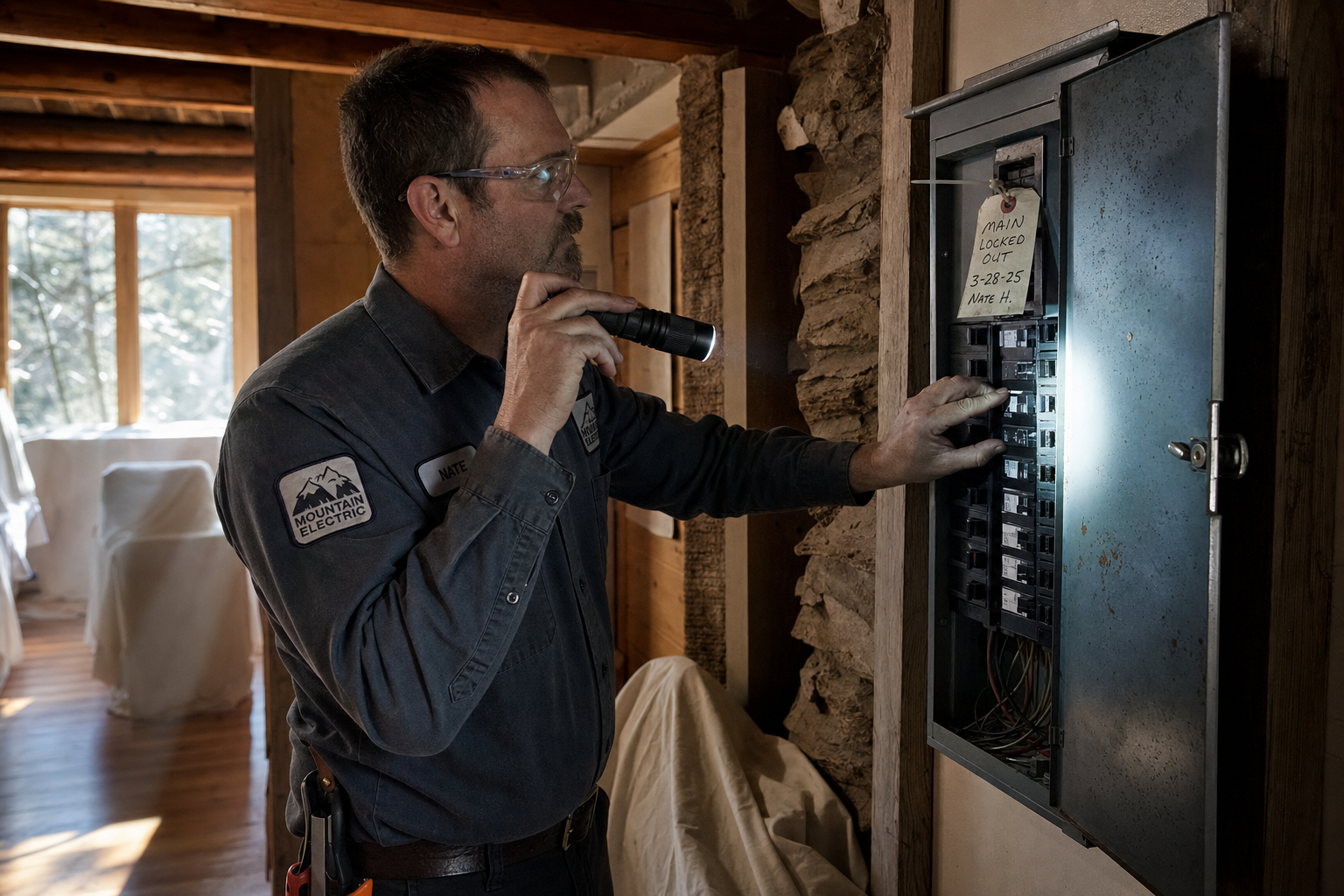
California's New Electrical Notice for Home Sales: What It Means for Lake Arrowhead Cabin Buyers and Sellers
California's New Electrical Notice for Home Sales: What It Means for Lake Arrowhead Cabin Buyers and Sellers
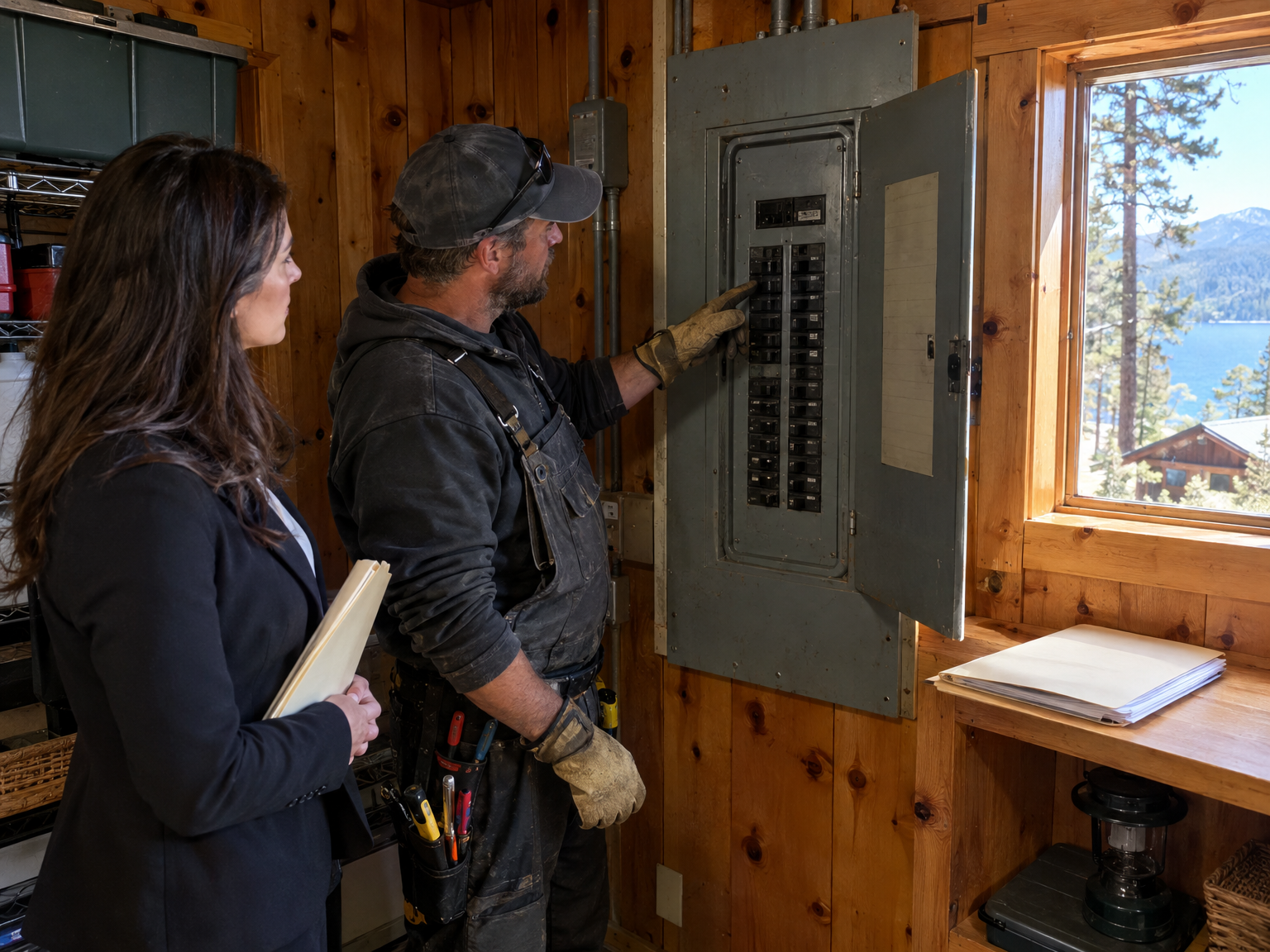
A buyer in Blue Jay is flipping through the disclosure packet on a cabin they love. Somewhere between the natural hazard report and the transfer disclosure statement there's a short paragraph that wasn't in packets last year. It tells them it may be advisable to have a professional inspect the electrical system, and it warns about fire risk, insurance, and whether the cabin can handle an EV charger.
It's not a quirk of one seller's paperwork. It's the law now, and for mountain cabins it matters more than for most houses.
What California now requires
Under SB 382, codified as Civil Code §1102.6i, sellers of residential property with one to four units, or their agents, must deliver a statutory notice to buyers on or after January 1, 2026. In plain terms, the notice says:
- A buyer may want a qualified professional to inspect the electrical systems in any buildings on the property, including the main service panel, any subpanels, and the wiring.
- Substandard, recalled, or faulty wiring may be a fire risk and may make it difficult to get property insurance.
- Limited electrical capacity may make it hard to add solar, electric space heating, electric water heating, or EV charging later.
The notice doesn't apply to a building sold within three years of its certificate of occupancy, and it follows the same exemptions as the rest of California's disclosure rules, which cover things like court-ordered sales and many foreclosure and estate transfers. The same law also added a separate disclosure about local restrictions on replacing gas appliances. See this summary from Tyler Law LLP.
Why mountain cabins are who this is aimed at
The notice is generic, but its three concerns describe an older cabin well:
- Older equipment. The older the cabin, the likelier it is to still have original or early-generation wiring and panels, plus decades of additions layered on top.
- Insurance trouble. Fire-prone mountain communities are already a hard place to get coverage, and electrical conditions can make it harder.
- Tight capacity. Many cabins that were wired for a few lights and a refrigerator are now asked to run a hot tub, a heat pump water heater, electric heat, and an EV charger.
What inspectors commonly flag in older homes
These are the findings that tend to come up, according to home inspectors and electricians. They're patterns, not a verdict on any one cabin:
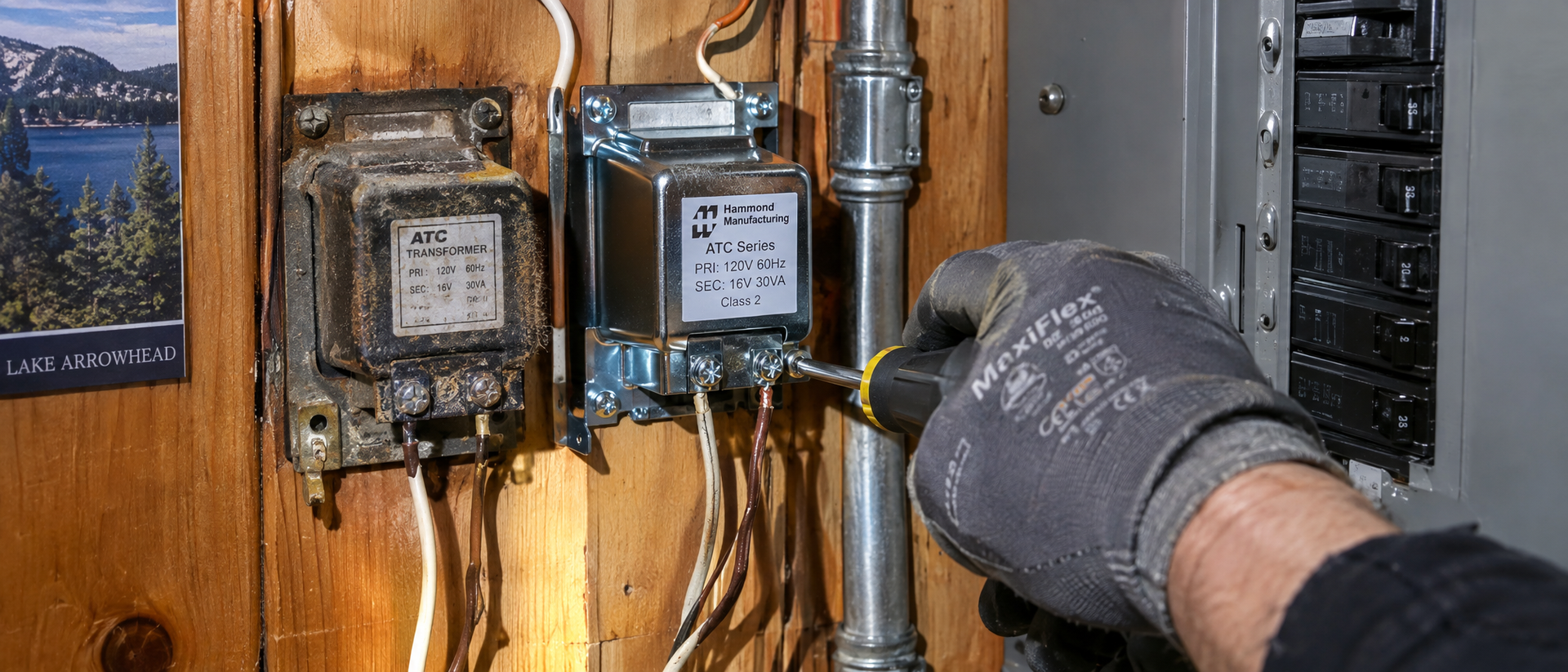
- Federal Pacific Stab-Lok panels. Made roughly from the 1950s into the 1980s, they have a reputation for breakers that don't trip when they should. The Consumer Product Safety Commission investigated in the early 1980s and closed its investigation without a recall. See Federal Pacific Electric.
- Zinsco and GTE-Sylvania panels. Often recognizable by brightly colored breakers, they're known for aluminum bus bars that can oxidize and fuse to breakers.
- Aluminum branch wiring. Installed in many homes from about 1965 to 1973, it has well-documented connection problems. See aluminium building wiring.
- Knob-and-tube wiring. An early system with no ground conductor, often allowed to remain if it's intact and not buried in insulation. See knob-and-tube wiring.
- Fuse boxes and 60-amp service. Fine for a 1940s cabin, but a bottleneck for modern loads.
- Ungrounded two-prong outlets, double-tapped breakers, and missing GFCI protection in wet areas.
- Unpermitted DIY work, like an extra circuit tapped off the panel or a hot tub wired without a permit.
The insurance question
The statutory notice itself says wiring problems may make insurance hard to get. Home inspectors and electricians report that some insurers decline new policies, surcharge, or non-renew when certain panels or wiring show up, though it varies by carrier. Two things are worth knowing:
- An insurer's rule is separate from a buyer's inspection. A cabin can pass a general inspection and still be declined for coverage.
- A new panel doesn't fix old wiring. Swapping a flagged panel won't change knob-and-tube circuits behind the walls, and insurers know the difference.
If you're buying, ask an agent about coverage early, because the standard California purchase contract commonly gives buyers around 17 days to inspect and investigate, including insurability. See the Department of Real Estate's guide to purchase contracts and disclosures.
If you're selling
- Consider a pre-listing electrical inspection so you hear about problems on your schedule, not during escrow. We offer these for sellers and agents on our realtor services page.
- Fix the inexpensive items first. Missing GFCI outlets, double-tapped breakers, and loose connections are often quick, and they take items off a buyer's list.
- Disclose what you know. California sellers must disclose known material defects, and an "as-is" clause doesn't waive that duty. The new notice also means buyers are being told in writing to look, so surprises are likelier to be found.
- Pull permits for panel and wiring work, and keep the paperwork for escrow.
If you're buying
- Hire a licensed electrician in addition to your general inspector. A general inspection often flags electrical concerns for further evaluation, and an electrician can tell you what they mean and what they'll cost.
- Ask for the basics: the panel's brand and amperage, the service size, when it was last worked on, and the permit history.
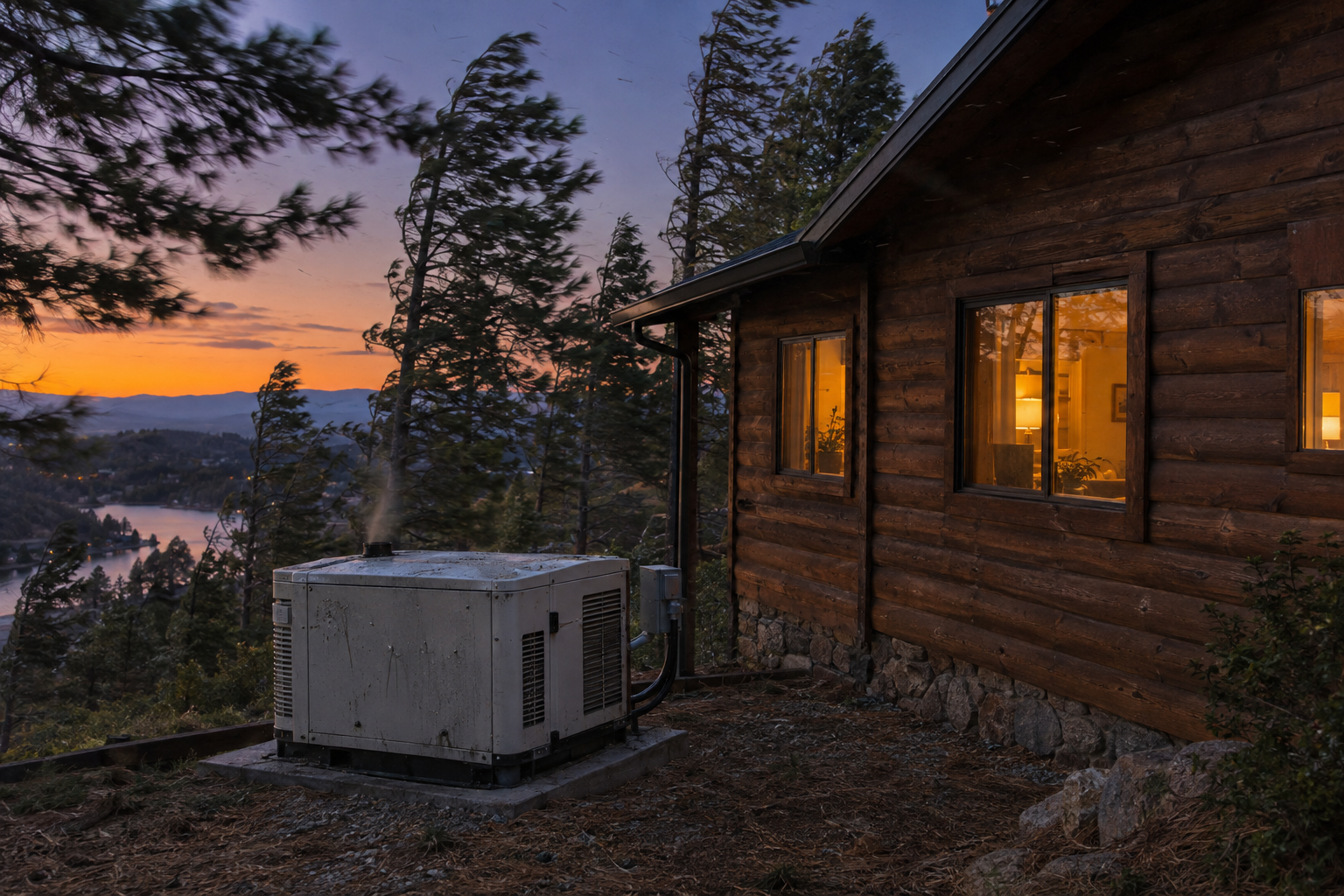
- Think about what you want to add. An EV charger, a heat pump water heater, a hot tub, or a backup generator all draw on the same panel. Ask whether the service can support them.
- Ask about surge protection. A whole-house surge protector is a common add for mountain properties.
If you're an agent
The notice is delivered by the seller or the seller's agent. Mountain listings with older panels or wiring are the ones where a pre-listing electrical check can protect a closing timeline. Our Electrical Services for Lake Arrowhead Realtors page describes how we work with agents, including documentation for escrow.
Questions about the new electrical notice
Does the notice mean sellers have to repair electrical problems?
No. It's a statement recommending that buyers get an inspection. Sellers still have to disclose known material defects, and repairs are negotiated as part of the deal.
Does it apply to every sale?
It doesn't apply to a building sold within three years of its certificate of occupancy, and it follows the exemptions in California's disclosure statute for transfers like court-ordered sales and many foreclosure and estate transfers. Ask your agent or attorney whether your transaction is covered.
Can an old panel make a cabin hard to insure?
Some insurers decline, surcharge, or non-renew homes with certain panels or wiring. It varies by company, so ask your agent and your insurer before you close.
Buying or selling a Lake Arrowhead cabin and want to know what's behind the panel before escrow does?
Call Lake Arrowhead Electrical at (909) 403-4740 for a free quote on a pre-listing or pre-purchase electrical inspection, panel upgrades, and documentation for escrow.